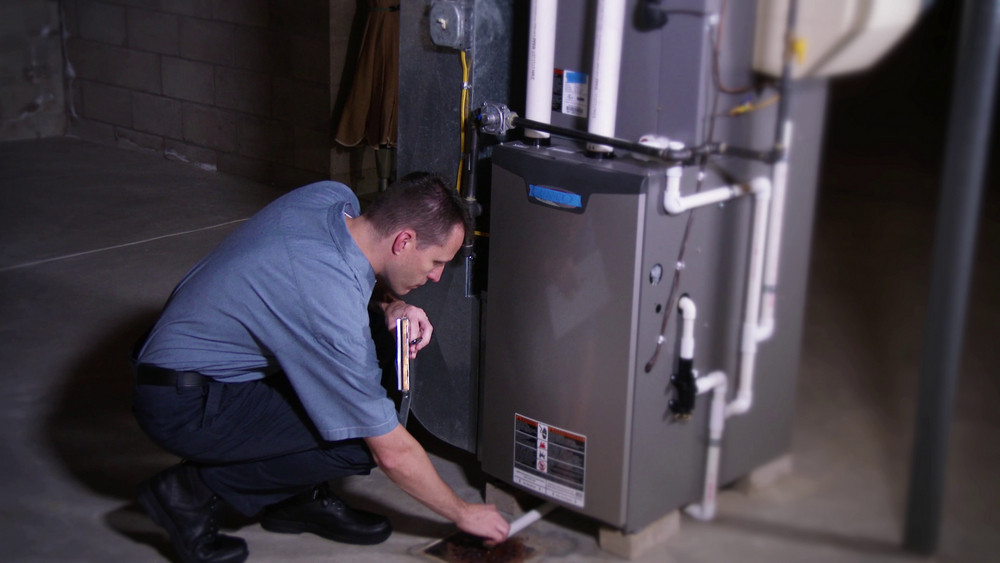
Every homeowner understands that maintaining a comfortable indoor climate is crucial. A well-cared-for HVAC system not only keeps your home cozy but also helps in significant energy savings. This article delves into essential tips for HVAC maintenance, ensuring the longevity and peak performance of your home system.
Regular Maintenance for Optimal Performance
Regular maintenance is key to ensuring that your HVAC system functions efficiently. By scheduling consistent check-ups, homeowners can drastically reduce the risk of unexpected issues. In fact, routine HVAC upkeep can lead to a 95% reduction in breakdowns, as stated by recent studies.
During maintenance, professionals typically clean and inspect key components, like filters and coils, for any signs of wear and tear. This proactive approach helps in catching small problems before they turn into costly repairs. Maintaining clean parts also ensures better air quality and overall efficiency.
Homeowners should also regularly replace or clean air filters, as clogged filters decrease efficiency and can even damage the system. It is often recommended to check these filters every month. A clean filter not only improves airflow but also enhances the system’s longevity.
The Transition to New Refrigerants
As the world moves towards more sustainable practices, the HVAC industry is no exception. By 2025, the industry will transition to using new refrigerants, specifically A2Ls, as part of the American Innovation and Manufacturing Act of 2020. This change aims to reduce the environmental impact of refrigerants previously used in older systems.
These new refrigerants are more environmentally friendly and energy-efficient, helping homeowners save on utility bills over time. Transitioning to systems compatible with A2Ls will become increasingly important for future reliability and compliance. Homeowners should consider this transition when planning upgrades or replacements.
Consulting with HVAC professionals can provide insight into the benefits of these new refrigerants. They can guide homeowners on the best strategies for making their systems environmentally compliant. This shift not only supports green initiatives but also advances technological efficiencies in home heating and cooling solutions.
Extending the Lifespan of Your HVAC System
With proper care, most HVAC systems can last between 15 and 25 years, providing comfort and efficiency. To achieve this lifespan, it’s essential to follow a diligent maintenance schedule. Ignoring routine check-ups can lead to premature system failures, increasing long-term costs for homeowners.
Regular inspections help detect and address issues like refrigerant leaks, faulty electrical connections, or mechanical wear. Taking corrective measures promptly avoids more significant system failures. This vigilance towards maintenance extends the life of the system and ensures it operates at optimal performance.
Homeowners are encouraged to document service records and establish a maintenance timeline with their HVAC provider. This organization guarantees that the system receives timely attention, thus prolonging its operational life. Ultimately, a well-maintained system not only lasts longer but also performs more efficiently, saving energy and money.
Maximizing HVAC Efficiency
Efficiency is a critical component of home HVAC operations, impacting both energy costs and environmental footprint. Simple actions, like setting thermostats to recommended energy-saving settings, can significantly reduce energy consumption. Additionally, ensuring proper insulation throughout the home aids in maintaining desired indoor temperatures.
Regular duct cleaning can also improve efficiency by preventing blockages and ensuring consistent airflow. When airflow is unrestricted, the HVAC system doesn’t have to work as hard to maintain comfort levels. This ease of operation directly translates to lower energy bills and reduced wear on the system.
Upgrading to programmable thermostats is another way homeowners can optimize efficiency. These thermostats allow precise control over heating and cooling schedules, ensuring systems are only active when needed. Such upgrades not only enhance convenience but also contribute to higher energy savings.
Smart Strategies for Home Comfort
When it comes to maintaining home comfort, the role of an efficient HVAC system cannot be overstated. Smart thermostats and zoned heating and cooling systems offer enhanced control over home climates. By investing in such technology, homeowners improve comfort levels while simultaneously reducing energy use.
Beyond technology, regular assessment of home insulation is essential. Proper insulation helps retain the desired temperature, lessening the operational load on the HVAC system. This synergy not only promotes a comfortable living environment but also maximizes energy efficiency.
Lastly, ensuring that all windows and doors are properly sealed can greatly impact home energy management. Sealing gaps prevents unwanted drafts, allowing the heating and cooling systems to function more effectively. This practice underscores the relationship between home infrastructure and efficient HVAC operation.
A well-maintained HVAC system is crucial for optimal home comfort and energy efficiency. Regular check-ups, timely upgrades, and attention to home insulation all play vital roles in system longevity. By following these essential HVAC care tips, homeowners can enjoy a comfortable indoor climate for years to come.