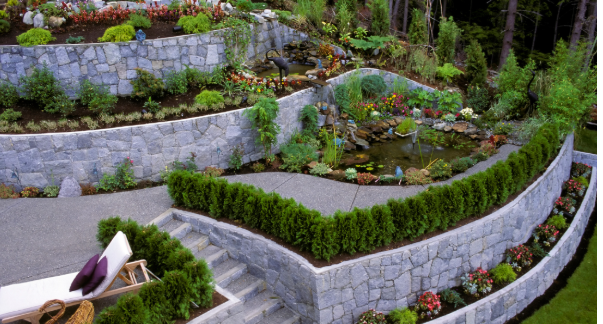
Retaining walls are essential for managing soil, preventing erosion, and maintaining the landscape’s structural integrity. Over time, even well-built walls can develop issues that, if left unaddressed, may compromise safety and property stability. Homeowners in need of professional assessment often consult experts in retaining walls in Alpharetta to identify potential problems early. Early detection allows for timely intervention, reducing the risk of collapse, soil movement, or damage to nearby structures. Understanding the common signs of a failing retaining wall and the solutions available helps homeowners maintain both safety and the aesthetic appeal of their property.
Common Signs of Retaining Wall Failure
There are several clear indicators that a retaining wall may be failing. Cracks appearing in the wall, bulging or leaning sections, and uneven settling are all signs of structural stress. Soil erosion at the base or behind the wall, as well as water pooling near the structure, can accelerate deterioration. In some cases, displaced or broken masonry units, stones, or timbers indicate that the wall can no longer bear the pressure from soil and water behind it. Recognizing these warning signs early allows for professional evaluation and appropriate corrective measures to prevent further damage.
Causes of Retaining Wall Problems
Retaining walls can fail due to a variety of factors. Poor drainage behind the wall leads to water buildup, increasing hydrostatic pressure that pushes against the structure. Inadequate foundation preparation, substandard construction materials, and soil type can also contribute to instability. Extreme weather events, including heavy rain or freeze-thaw cycles, may exacerbate existing weaknesses. By identifying the root cause of a wall’s deterioration, professionals can implement targeted solutions that restore both safety and functionality.
Professional Solutions and Repairs
Addressing a failing retaining wall requires careful evaluation and professional planning to ensure long-term stability. Depending on the extent of deterioration, solutions may involve reinforcing the existing structure, improving drainage to reduce soil pressure, or reconstructing affected sections with more appropriate materials. Understanding what retaining wall types, materials, and functions, helps clarify how design and construction choices influence durability and performance. Proper repair and reinforcement allow soil loads to be managed effectively, water to be redirected safely, and the retaining wall to remain structurally sound over time.
Preventive Measures
Once a retaining wall has been repaired or reinforced, ongoing maintenance is critical. Regular inspections for cracks, movement, or drainage issues can help identify problems before they worsen. Ensuring that water is directed away from the wall through proper grading, gutters, or drainage systems reduces stress on the structure. Maintaining healthy vegetation on or near the wall can also prevent soil erosion. Proactive monitoring and upkeep extend the life of the retaining wall, safeguard the landscape, and prevent costly emergency repairs.
Conclusion
Retaining walls play a vital role in landscape management, structural support, and erosion control. Consulting experts in retaining walls in Alpharetta allows homeowners to identify early signs of failure, address underlying causes, and implement professional repair solutions. By understanding the warning signs, causes, and preventive measures, homeowners can maintain both the safety and aesthetic appeal of their property. Regular inspections, maintenance, and professional support ensure that retaining walls continue to perform effectively and protect the property for years to come.