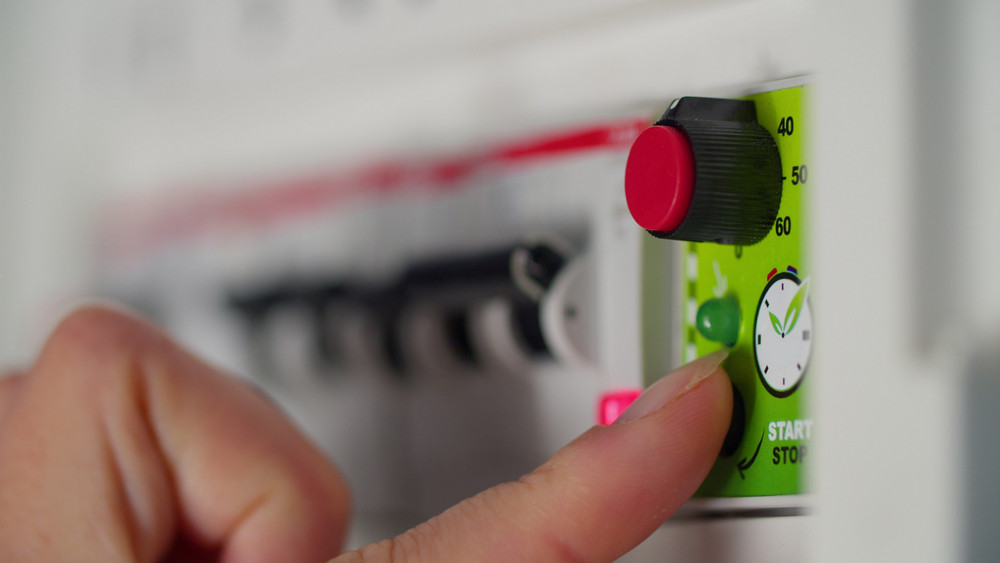
Maintaining your water heater is a crucial aspect of ensuring that your home runs efficiently while preventing unnecessary energy and water waste. Water heaters are often hidden away in the corners of the home, quietly doing their job. However, without proper maintenance, these systems can become significantly less efficient, leading to both increased utility bills and environmental impact. This article delves into effective strategies for maintaining your water heater, enhancing its efficiency, and curbing wastage.
Inspecting and Replacing Old Water Heaters
A significant number of homes across the United States have water heaters that are over a decade old, which can severely impact their efficiency. Figures from Energy.gov highlight that around 27 million U.S. households have water heaters older than ten years. Such outdated units can contribute to increased energy consumption, thus hiking up energy bills unnecessarily.
Regularly inspecting your water heater for wear and tear can help mitigate these issues. Older models are more prone to inefficiencies and may not meet current energy standards. A professional inspection can identify issues such as sediment buildup or faulty components, which can affect performance and energy use. Considering a replacement with a modern, energy-efficient model may save substantial energy and costs in the long run.
Planning the replacement of an old unit before a complete failure occurs is always preferable. Newer models are optimized to use less energy while providing the same level of hot water production, aligning with environmental standards and reducing your home’s carbon footprint. If your water heater is over a decade old, it’s time to evaluate whether it makes sense to repair or replace it for optimal efficiency.
Improving Energy Efficiency in Your Home
Water heating is a significant component of home energy usage, accounting for about 20% according to the Department of Energy. With rising energy costs, it becomes increasingly vital to improve the efficiency of your home’s water heater. Simple steps can lead to substantial savings on your energy bill while ensuring your home remains environmentally friendly.
Regular maintenance tasks, such as flushing the tank to remove sediment, can greatly enhance water heater efficiency. Sediment buildup can insulate the water from the burner, making it harder for the system to heat water, which results in higher energy consumption. Flushing the tank biannually prevents sediment accumulation, therefore improving efficiency.
Installing insulation around the water heater and the pipes can help retain heat, reducing the energy needed to maintain water temperature. This is particularly beneficial in colder climates where heat loss can be more pronounced. Investing in a water heater blanket is another straightforward method that aids in enhancing efficiency by reducing standby heat losses.
Avoiding Water Waste through Leak Prevention
Unnoticed leaks in water heaters can lead to substantial water wastage throughout the year. Reports by Comfy Living suggest that leaks and drips could lead to the loss of up to 10,000 gallons of water annually. This underscores the importance of routinely checking your water heater and its connections for any signs of leakage.
Regularly inspecting the areas around your water heater for signs of moisture or water accumulation can prevent such wastage. Promptly fixing any small leaks not only conserves water but also prevents potential water damage that could require costly repairs. Ensuring that all connections and valves are properly sealed is a proactive measure in maintaining the system’s integrity.
Incorporating smart technology can also contribute to preventing water waste. Water leak detectors and automatic water shut-off valves can alert homeowners otopotential leaks, mitigating waste and potential damage. This is a proactive approach that not only saves water but also protects the home from unforeseen damage.
Maintaining your water heater is essential for boosting efficiency and preventing waste, contributing to both cost savings and environmental benefits. By addressing the age of your water heater, enhancing its efficiency, and preventing leaks, you ensure that your home remains a sustainable and cost-effective environment. Regular maintenance and upgrades ensure that your water heating system operates at peak performance, ultimately benefiting both the planet and your pocket.