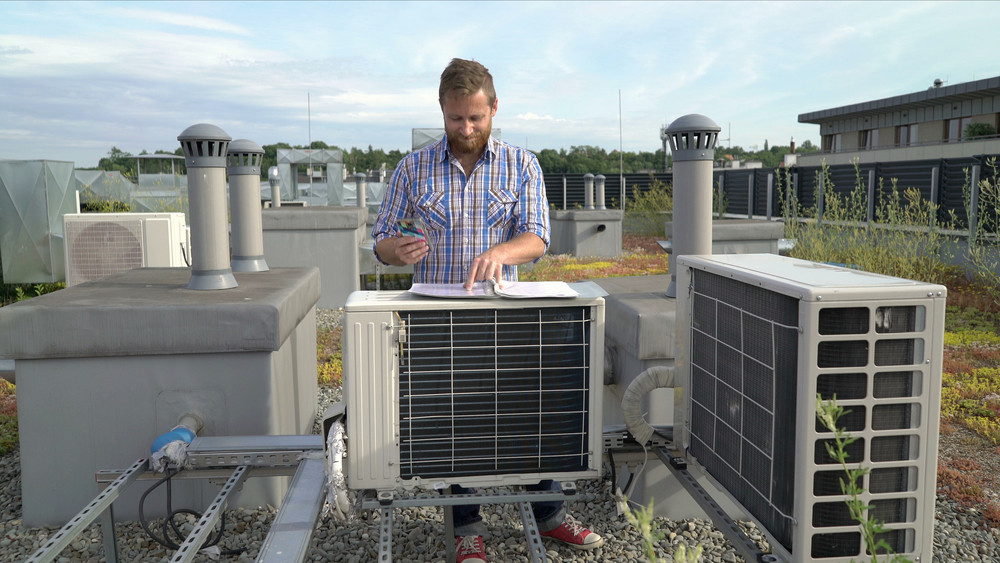
Air conditioning systems have become an essential feature in modern homes, providing comfort and improving indoor air quality throughout the year. In fact, nearly every household depends on a properly running unit to stay cool during warmer months. However, like any mechanical system, your air conditioner needs consistent maintenance to keep it running efficiently. Simple upkeep not only extends the system’s life but also prevents costly breakdowns and ensures consistent airflow. The following tips cover core maintenance steps that help homeowners get the best performance out of their air conditioning systems.
1. Schedule Regular Professional Maintenance
Routine inspections and tune-ups from trained HVAC technicians keep your air conditioner in optimal condition. A professional can identify small issues before they become serious problems, such as refrigerant leaks, faulty wiring, or worn belts. According to research from Statista, systems that are regularly maintained by HVAC professionals tend to last up to 40% longer than those that do not receive scheduled service. This means that spending a little on yearly maintenance goes a long way toward delaying the cost of replacement.
Professional maintenance typically includes cleaning internal components, checking refrigerant levels, tightening electrical connections, and testing operational efficiency. It’s best to have your unit checked at least once a year, preferably before summer starts, to avoid mid-season malfunctions during high temperatures. Regular care not only enhances performance but also improves energy efficiency, keeping monthly utility costs lower.
2. Keep Filters, Coils, and Ducts Clean
Dirt and debris are the enemies of a properly functioning air conditioning system. Air filters are your first line of defense in keeping indoor air quality high, but they need periodic replacement. Neglected filters restrict airflow, forcing the unit to work harder to cool your home. In most cases, filters should be replaced every one to three months, depending on air quality and how frequently the system runs.
In addition to changing filters, be sure to clean the evaporator and condenser coils. Over time, dust buildup on these components reduces their ability to absorb and release heat. Gently brushing them or using compressed air to remove debris helps maintain efficiency. If you have central air conditioning, regular duct cleaning is equally important. Dirty ducts can circulate allergens, dust, and pollutants throughout the house, decreasing air quality and increasing strain on the system. Clean ducts keep airflow steady and your cooling system running smoothly.
Homeowners should also keep outdoor units free of obstructions. Trim grass, bushes, or weeds around the system to ensure nothing blocks ventilation. Maintaining clear space allows heat to dissipate quickly, improving your unit’s effectiveness and reducing energy use.
Air conditioning is common in American homes, with Forbes reporting about 90% usage in the US. Maintenance is crucial to reduce environmental impact and maintain efficiency. Properly maintained units use less energy, emit fewer greenhouse gases, and reduce unexpected failures.
3. Address Repairs Quickly and Monitor Performance
Even well-maintained air conditioning systems can experience issues. Ignoring signs like strange noises, weak airflow, or uneven cooling can lead to bigger problems. Addressing these immediately prevents further damage and prolongs your system’s life. According to HomeGuide, repairs can take 1 to 8 hours depending on the component. Quick diagnosis and prompt repairs minimize downtime and discomfort.
Ongoing air conditioner care involves monitoring performance between visits. Note how long cooling takes or if energy bills increase, which could indicate inefficiency due to dirt, leaks, or worn-out parts. Catching issues early avoids costly fixes and ensures reliability during peak months.
Investing in proper maintenance pays back in comfort, energy savings, and longevity. By scheduling annual service, cleaning components, and immediate repairs, homeowners can maximize system performance and prevent major breakdowns. Consistent care keeps costs manageable and ensures reliable operation during extreme weather.