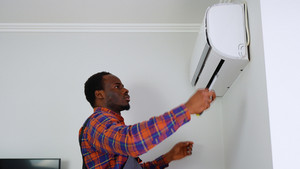
Maintaining your home’s HVAC system is crucial for ensuring comfort and efficiency year-round. Many homeowners overlook the importance of regular upkeep, leading to unexpected breakdowns and costly repairs. This guide aims to arm you with essential tips and information to keep your system running smoothly.
Understanding the Importance of HVAC Maintenance
Proper HVAC maintenance can prolong the lifespan of your system, ensuring that it functions efficiently for as long as possible. According to Home Advisor, most heating and cooling systems are designed to last between 15 and 25 years, but only with regular upkeep. Scheduling routine check-ups and addressing issues promptly can save you from more significant problems down the road.
Many homeowners rely heavily on air conditioning for comfort during the hotter months. According to Workyard, a staggering 88% of households in the U.S. use air conditioning, with a majority depending on central systems or heat pumps. This high dependence underscores the need for diligent maintenance practices to prevent unexpected failures.
By understanding the components of your HVAC system and their maintenance needs, you can take proactive steps to protect your investment. Regular tasks, such as changing filters, checking thermostat settings, and clearing debris from outdoor units, are vital. These small actions contribute greatly to the longevity and efficiency of your home system.
Steps for Regular HVAC Maintenance
Implementing a routine maintenance schedule is key to keeping your HVAC system in top condition. According to Forbes, you should have a professional technician inspect your system at least once a year to identify and address any potential issues early. This annual check-up ensures that the system operates efficiently and reduces the risk of unexpected breakdowns.
In addition to professional inspections, homeowners should perform monthly maintenance tasks, such as replacing or cleaning air filters. Dirty filters can restrict airflow, increasing energy consumption and placing unnecessary strain on the system. Simple actions like these can help prevent costly repairs by ensuring optimal performance.
Another crucial maintenance step is to keep the area around your outdoor units free from debris and overgrown vegetation. Obstructions can hinder airflow and decrease the efficiency of your HVAC system. Taking the time to clear away leaves, dirt, and other materials can significantly impact your home’s comfort levels and energy bills.
Professional HVAC Maintenance: What to Expect
When scheduling professional maintenance, understanding what technicians do can help you appreciate the value of their services. A comprehensive inspection typically involves checking refrigerant levels, inspecting electrical connections, and cleaning coils to enhance system performance. These checks are vital for identifying small issues before they escalate into bigger problems.
Professional service not only involves inspection but also includes essential tune-ups. This can involve lubricating moving parts, tightening connections, and calibrating the thermostat. Ensuring these elements function correctly can greatly extend the life of your HVAC system and enhance its energy efficiency.
While professional inspections are vital, they also provide you with peace of mind, knowing that experienced technicians have assessed your system thoroughly. This can be especially beneficial as many homeowners rely on their systems heavily, with two-thirds depending on central air or heat pumps, according to Workyard. Regular maintenance can ensure smooth operation throughout the year.
In conclusion, taking care of your home’s HVAC system involves regular maintenance and professional inspections. Implementing these steps not only ensures comfort but also extends the life and efficiency of the system. By adhering to these tips, homeowners can confidently maintain their HVAC systems, reducing the risk of unexpected breakdowns and energy wastage.