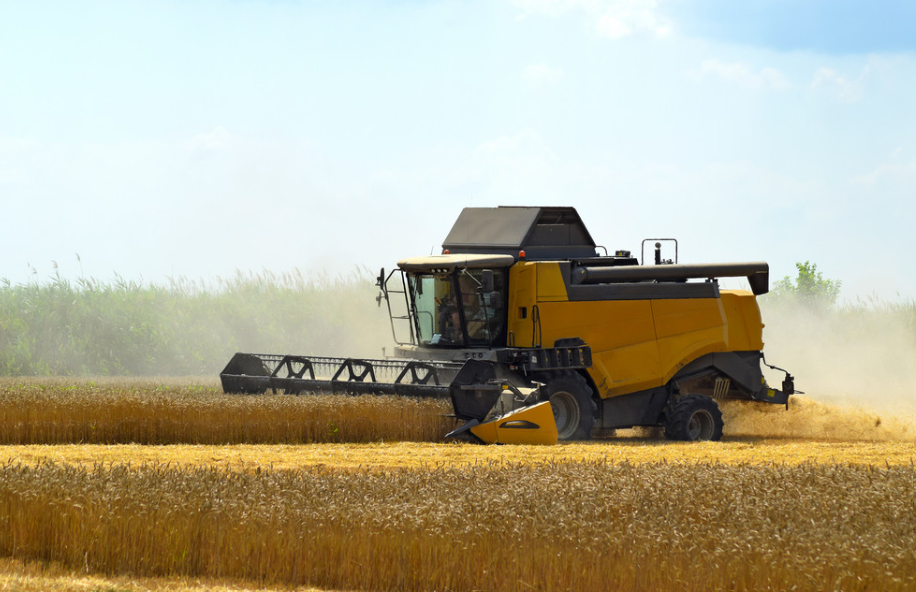
Artificial intelligence is often associated with chatbots, search tools, recommendation systems, and other software that operates through screens. Increasingly, however, AI is being integrated into machines that perform physical work, allowing technology to influence how equipment operates, adapts, and responds to changing conditions.
This shift matters because AI is no longer limited to generating information or automating digital tasks. It is beginning to interact with machinery in factories, construction settings, forestry operations, and other environments where equipment must make practical decisions in real time.
AI Is Making Industrial Equipment More Responsive
Manufacturing provides one of the clearest examples of AI moving beyond traditional software. Instead of simply helping employees analyze information, AI can now interact with equipment and operational data to influence how machines perform their work.
CNC machining is a particularly useful example because precision, consistency, and equipment availability are critical to production. AI can analyze information from machinery, identify patterns, and help operators or automated systems make adjustments that support more efficient operations. The result is a manufacturing environment in which software intelligence can have a direct effect on physical production.
According to the Association for Supply Chain Management, one company using AI-powered CNC precision machining increased its equipment uptime by 20%. That example illustrates the practical connection between artificial intelligence and machinery. The value of the technology is not simply that it can process information quickly. It can contribute to keeping physical equipment productive for longer periods.
This type of application also demonstrates why AI’s expansion into the physical world is significant for businesses. When intelligent systems are connected to machinery, improvements in data analysis can translate into changes in how equipment operates, how maintenance is handled, and how consistently production continues.
Technology Is Changing Expectations for Physical Work
The movement of AI into physical environments does not necessarily require every machine to operate completely independently. In many cases, technology can support the equipment, workers, and processes already being used.
Home improvement offers a useful way to consider this distinction. Many projects still depend on skilled professionals and specialized machinery, but technology can influence how efficiently that work is performed. A physical task that once seemed time-consuming can potentially be completed within a relatively short working window when the appropriate equipment and methods are available.
Concrete leveling is one example of a service where the physical work can be completed without requiring an extended project timeline. According to HomeGuide, most concrete leveling jobs require between two and six hours to finish. That timeframe highlights how specialized equipment and established processes can allow substantial physical work to be completed within a single day.
AI does not need to directly control every piece of equipment for technology to affect the physical world. Improvements in machinery, automation, monitoring, and data analysis can work together to change how physical services are delivered.
The broader trend is important because it shows that the boundary between digital technology and physical labor is becoming less distinct. Software can influence machines, machines can respond to data, and workers can use increasingly sophisticated equipment to complete tasks more efficiently.
AI Is Reaching Equipment Built for Difficult Terrain
The expansion of AI becomes even more noticeable when machines have to operate in unpredictable or challenging environments. Forestry equipment, for example, must work across terrain that can make operation, navigation, and maintenance more difficult.
Modern systems can combine artificial intelligence with sensors, controls, and telematics to help equipment respond to those conditions. Rather than treating a machine as a tool that simply follows predetermined commands, these technologies can give it greater awareness of its operating environment and its own performance.
According to Farmonaut, the latest generation of forestry mulchers incorporates AI-guided auto-slope controls and advanced telematics. Manufacturers project that these systems could reduce machine maintenance downtime by 20% to 40% while equipment is navigating difficult terrain.
This example shows how AI can become part of the machine itself rather than remaining separate from the physical work. Auto-slope controls can help equipment manage challenging ground conditions, while telematics can provide information about machine operation and maintenance needs.
The implications extend beyond forestry. As intelligent technology becomes more capable of interpreting conditions and responding to them, similar approaches could influence equipment used in construction, agriculture, manufacturing, infrastructure, and other industries.
Artificial intelligence is therefore moving into a new phase. Its role is no longer limited to what happens on a computer or phone screen. By becoming integrated with machinery, sensors, controls, and equipment, AI is beginning to influence the physical processes that shape how work gets done.
The transition will not eliminate the importance of people. Instead, it is creating new ways for human workers and intelligent machines to operate together, with software intelligence increasingly becoming part of the physical world.