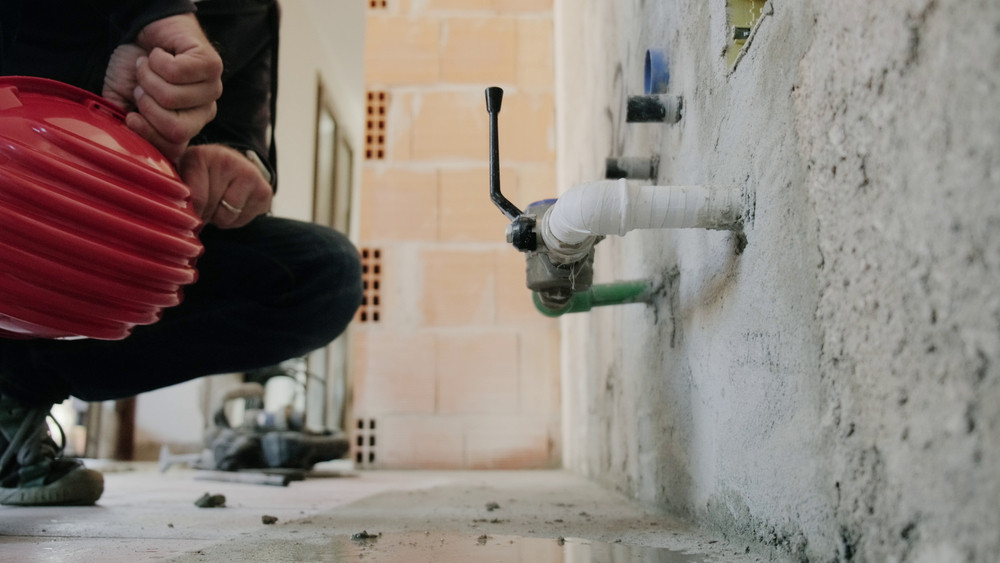
Leaky faucets and toilets might seem like minor inconveniences, but they can lead to significant water waste and inflated utility bills over time. It’s surprising to realize how many homes struggle with unnoticed leaks, contributing to unnecessary water consumption. Understanding the scope of this issue can motivate homeowners to take actionable steps towards saving water and money.
Homeowners are often unaware of how much water is wasted through leaks. According to environmental authorities, a steady faucet drip can squander over 3,000 gallons annually. Highlighting these figures emphasizes the need for regular maintenance and timely repairs to safeguard resources.
Efficient water usage is becoming increasingly crucial as the world faces more frequent water shortages and rising costs. Taking proactive measures at home to identify and remedy leaks not only conserves water but also positively impacts the environment. Let’s explore some of the common types of leaks and how to tackle them effectively.
Identifying Household Leak Culprits
Embarking on a mission to detect leaks in the home starts with recognizing the most common culprits. Faucets, toilets, and showerheads are notorious for developing small drips and leaks that can go unnoticed. Homeowners should periodically inspect these areas, paying special attention to the tell-tale signs of water wastage.
According to various sources, a leaky faucet dripping at the pace of one drip per second might end up wasting over 3,000 gallons of water a year. Such statistics shed light on the importance of identifying even the smallest leaks before they escalate. Routine checks and maintenance can prevent these minor issues from snowballing into major problems.
In addition to faucets, toilets are known to be water-wasting culprits. The typical leaky toilet can potentially waste around 200 gallons of water every day. By fixing these leaks promptly, homeowners can effectively reduce water consumption and lower their monthly expenses.
Conducting DIY Leak Inspections
For many homeowners, conducting a basic leak inspection can be both affordable and straightforward. Start by checking for water stains or damp spots in potentially problematic areas. Inspect pipes under sinks, around toilets, and beneath bathtubs for any signs of moisture or leaks.
One way to detect a toilet leak is by adding a few drops of food coloring to the tank. If the color appears in the bowl without flushing, it confirms a leak. Regularly performing such simple tests can mitigate significant water loss and save on repair costs in the long run.
Another area to observe is the water meter. Turn off all water-using appliances and check the meter. If it continues to move, it might indicate leaks somewhere in the plumbing system. Monitoring the water meter is a proactive step toward uncovering hidden water wastage.
Repercussions of Ignoring Leaks
Ignoring household leaks can lead to more than just water waste; they can cause extensive damage over time. Prolonged exposure to water can weaken structures, cause mold growth, and create hazardous living conditions. Homeowners who neglect such issues might face costly repairs and health risks.
A single small leak might appear inconsequential, yet these accumulated drips can result in significant water loss, escalating utility bills. Statistics show that up to 10% of homes have leaks that waste over 90 gallons each day. By addressing these problems immediately, homeowners can prevent a small inconvenience from becoming a financial burden.
Moreover, water conservation efforts are vital for sustainable living. By ensuring a leak-free home, individuals contribute to broader global environmental goals. It showcases the collective responsibility towards preserving this finite resource for future generations.
Professional Help for Persistent Leaks
While many minor leaks can be fixed with DIY methods, persistent or hidden leaks might require professional intervention. Plumbers can offer comprehensive inspections and dependable solutions for complex plumbing problems. Hiring an expert is an investment that safeguards the structural integrity of the home and ensures efficient water use.
Professionals utilize advanced tools and technology for precise leak detection that isn’t easily replicated with a home inspection. For example, thermal imaging and acoustic equipment can pinpoint locations of elusive leaks. By involving professionals, homeowners can attain peace of mind and efficiently address all underlying issues.
Leaving leaks unaddressed can lead to financial losses that outweigh the initial cost of professional repair services. Early resolution through expert help prevents further damage, promotes water conservation, and ensures a leak-free home environment. Prioritizing expert services demonstrates a commitment to long-term water savings.
Taking Action Against Household Leaks
Proactive measures against leaks reflect responsible water consumption and financial prudence. Initiating a thorough inspection of the home periodically is a necessary step toward this goal. By staying vigilant, homeowners benefit from lower water bills and contribute positively to environmental sustainability.
Educating oneself on potential leak sources and basic repair techniques can empower homeowners to promptly address and prevent further wastage. Tools and resources available online make it easier than ever to become informed and take immediate actions to stop leaks. Knowledge, combined with regular inspection protocols, fortifies homes against hidden water wastage.
Ultimately, maintaining a leak-free environment is essential for preserving water resources and ensuring cost-effective household management. As global emphasis on water conservation increases, taking steps to fix leaks in our homes is an impactful way to contribute to this cause. Act today to ensure a sustainable and efficient home environment for tomorrow.