Imagine a morning without rushing through your shower—or worse, having it cut short due to cold water. By transitioning to a tankless water heater, many homeowners are enjoying a seamless flow of warmth with every turn of the tap. As homes aim to become smarter and more efficient, switching to a tankless solution could be the key to comfort and cost savings.
Longer Lifespan and Efficiency
A significant advantage of tankless water heaters is their durability. While traditional tank-style heaters tend to last around 8 to 12 years, modern tankless units often extend their lifespan beyond 15 years. Switching to tankless not only enhances your home’s efficiency but also reduces the frequency of replacements, ultimately saving you time and resources.
An additional benefit of tankless systems lies in their ability to produce an endless supply of hot water. These devices are designed to heat water directly as it flows through the unit, ensuring a constant supply at rates typically between 2 and 5 gallons per minute. This feature provides a notable advantage, especially for larger households or those who have greater demands for hot water.
Moreover, the efficiency of tankless systems is complemented by reduced heat waste. Without a bulky tank maintaining a reserve of hot water, less energy is consumed in keeping water hot for extended periods. This energy efficiency contributes significantly to cutting down household operational costs over time.
Energy Savings and Environmental Impact
Beyond longevity and efficiency, tankless water heaters offer impressive energy savings. According to This Old House, by opting for added insulation, you can reduce heat loss by up to 45%, potentially lowering water-heating costs by as much as 9%. This is a meaningful consideration for homeowners looking to minimize their energy bills while also reducing their environmental footprint.
Additionally, tankless water heaters only heat water on demand, which eliminates the continuous energy usage needed by traditional heaters. This on-demand mechanism leads to a more sustainable model of energy use, aligning with environmentally conscious home developments. Transitioning to a tankless system not only improves your home’s efficiency but also contributes to a wider eco-friendly movement.
Moreover, the switch to tankless involves a significant reduction in carbon dioxide emissions. Less energy consumption means fewer fossil fuels are burned to generate that energy, manifesting in cleaner power usage. Homeowners looking to both cut costs and go green will find that this change suits a dual-purpose goal.
Installation Considerations and Investment
While the benefits are substantial, it’s important for homeowners to carefully consider the installation requirements of tankless water heaters. These systems often come with a higher initial cost compared to conventional models. However, the investment often pays for itself over the years, given the extended lifespan and energy savings.
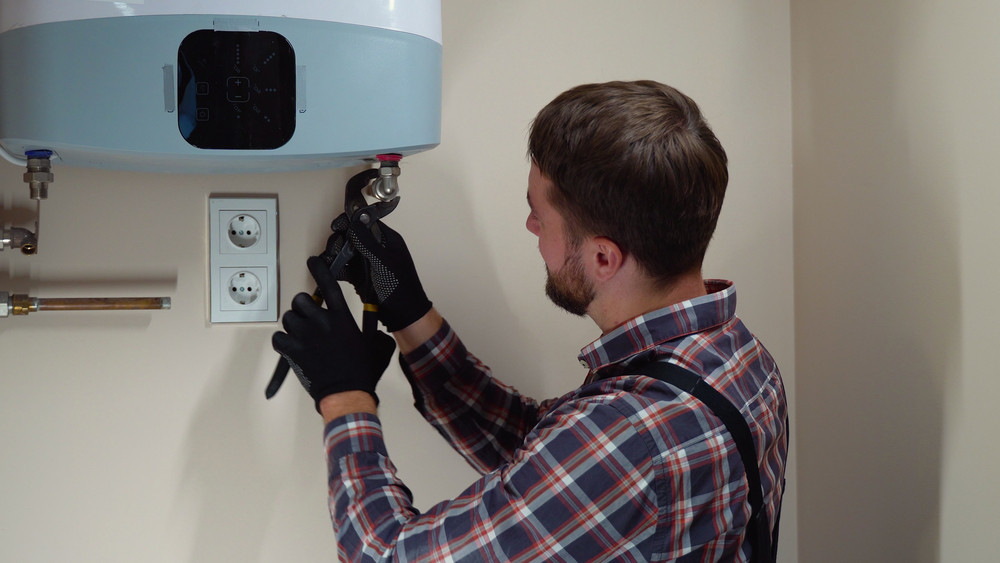
Professional installation is recommended to ensure optimal performance and adherence to safety standards. Unlike tank models, which might occupy more space, tankless heaters are compact and can be installed in tighter areas of the home. This allows for greater flexibility in terms of placement and integration within your existing plumbing system.
An important aspect to consider during installation is the potential need for additional electrical upgrades, especially for larger systems. Since tankless water heaters function solely on demand, it’s crucial to ensure that your home’s electrical infrastructure can support the unit’s requirements. Proper preparation can prevent any unforeseen complications and allow you to enjoy uninterrupted hot water seamlessly.
The advantages of switching to a tankless water heater extend far beyond mere convenience. With a longer lifespan, considerable energy savings, and an overall more sustainable approach, tankless systems could be the answer to the modern homeowner’s quest for efficiency. Making the switch can transform your daily routine, making your home more functional and eco-friendly.