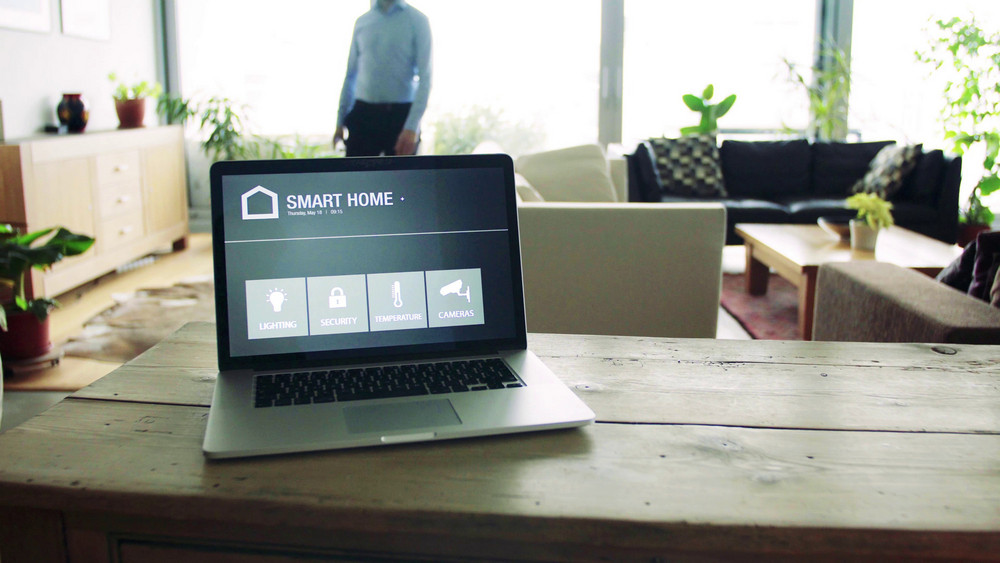
Smart home technology has gone from being a novelty to becoming a regular part of everyday homeownership. Devices that once seemed futuristic, such as app-controlled thermostats, video doorbells, automated lighting, and smart garage systems, are now common in homes across the country.
That growth does not appear to be slowing down. As homeowners continue remodeling, replacing older equipment, and looking for ways to make their homes more convenient, efficient, and secure, smart technology is becoming an increasingly natural part of the process.
Home Renovations Create More Opportunities for Smart Upgrades
One reason the smart home market continues to grow is that homeowners regularly update their properties.
According to Fotile, Americans renovate their homes approximately every three to five years. Each renovation gives homeowners another opportunity to incorporate newer technology into kitchens, bathrooms, living spaces, entryways, garages, and HVAC systems.
For example, a kitchen remodel might include smart appliances or connected lighting. A bathroom renovation could add automated ventilation or temperature controls. Even a relatively simple electrical update can make it easier to install smart switches, outlets, and sensors.
As smart products become more common, homeowners may increasingly view them as standard remodeling features rather than optional extras.
Energy Management Is Becoming a Major Priority
Smart technology is particularly attractive because it can help homeowners better understand and control energy use.
Smart thermostats, connected HVAC systems, intelligent lighting, energy monitors, and automated schedules can provide more control over when and how energy is consumed. Homeowners may be able to adjust systems remotely, reduce unnecessary heating or cooling, and create routines based on their schedules.
The market reflects this growing interest. According to IoT Breakthrough, smart home energy management revenue is on track to increase from $2.95 billion in 2017 to approximately $17.5 billion by 2027.
That dramatic growth suggests energy-related smart technology is becoming an important part of the larger smart home industry.
As homeowners become more interested in efficiency and utility costs, products that provide greater control over household energy use are likely to remain popular.
Convenience Continues to Drive Adoption
Perhaps the simplest reason smart homes continue growing is that the technology can make everyday tasks easier.
Homeowners can lock doors, change thermostats, turn off lights, check security cameras, or control appliances without physically interacting with each device.
Automation makes these systems even more convenient. Lights can turn on at sunset, thermostats can automatically adjust when homeowners leave, and doors can lock at a scheduled time.
As consumers become accustomed to controlling more parts of their lives through smartphones and voice assistants, connected home systems can feel increasingly natural.
The appeal is not necessarily about having the most advanced technology available. For many homeowners, it is simply about reducing small inconveniences throughout the day.
Smart Garages Are Becoming Part of the Connected Home
Smart home technology is also expanding beyond the main living areas.
Garages are a good example. According to Giiresearch.com, the smart garage door opener and controller market was estimated at approximately $0.65 billion in 2024.
Smart garage systems can allow homeowners to check whether the door is open, close it remotely, receive activity notifications, and sometimes provide temporary access to family members or delivery services.
These features address a common concern for homeowners who have ever left home wondering whether they remembered to close the garage door.
As more devices become connected, homeowners can begin managing their garage alongside lights, locks, cameras, and thermostats through the same broader smart home ecosystem.
Security Technology Remains Popular
Security is another major reason homeowners invest in connected technology.
Video doorbells, cameras, smart locks, motion sensors, and connected alarms can provide homeowners with more information about what is happening around their property.
Remote access is particularly valuable. Instead of needing to be home to see who is at the front door, homeowners can receive alerts and view camera footage from their phones.
Smart locks can also eliminate some of the inconvenience associated with traditional keys. Temporary access codes can be useful for guests, contractors, house sitters, or family members.
These features combine security with convenience, making them attractive to a wide range of homeowners.
Smart Technology Is Becoming Easier to Use
Early smart home products sometimes required complicated installations or separate apps for nearly every device. Modern systems are gradually becoming easier to connect and control.
Many products can now communicate through major smart home platforms, allowing homeowners to manage multiple devices from a single interface.
Voice assistants and automated routines can simplify control even further. Instead of individually adjusting several devices, homeowners can create a routine that changes the lighting, temperature, and security settings at the same time.
As installation and operation become easier, smart home products become accessible to more consumers.
Homeowners Can Start Small
Another reason the smart home boom is likely to continue is that homeowners do not need to automate an entire house at once.
Someone can begin with a smart thermostat, doorbell, light switch, or garage controller and gradually add more devices over time.
This makes smart technology easier to incorporate into different budgets. It also allows homeowners to experiment with specific features before committing to a larger connected system.
As renovations occur every few years, homeowners can continue adding technology room by room.
Smart Homes Are Becoming the New Normal
Smart home technology has grown because it solves practical problems. It can make homes easier to manage, provide more control over energy use, improve security, and add convenience to everyday routines.
Continued remodeling activity also gives homeowners repeated opportunities to add new connected features as older equipment is replaced.
With energy management, security systems, garage technology, lighting, appliances, and other devices continuing to evolve, the smart home boom appears to have plenty of room left to grow. Rather than disappearing as a passing trend, connected technology is becoming an increasingly normal part of modern homeownership.