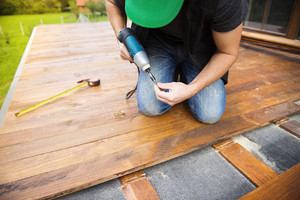
Building a deck is an excellent way to enhance the outdoor appeal of a home, providing space for leisure and increasing property value. Proper construction and maintenance techniques are essential for ensuring your deck’s durability, especially in preventing rot and sag. This article outlines crucial waterproofing and fastening strategies to maximize the lifespan and structural integrity of a wooden deck.
Effective Waterproofing Techniques
One of the most significant challenges in maintaining a wooden deck is preventing moisture from causing rot and decay. Waterproofing is crucial, as untreated wood exposed to rain and humidity can deteriorate quickly. According to IBISWorld, the deck and patio construction industry in the United States comprises approximately 6,808 businesses, emphasizing the importance of professional expertise in deck care.
Semi-transparent stains offer a balance between protection and aesthetics, allowing the wood grain to show while providing a layer of moisture resistance. Regular maintenance, such as cleaning and reapplying these sealants, helps prolong the life of the deck. Investing time in these treatments can save homeowners from costly repairs in the long run.
Proper deck drainage systems are another aspect of waterproofing that should not be overlooked. By incorporating features like the slight angling of deck boards and the use of drainage membranes, water can be effectively diverted away from the deck surface. Such measures ensure that water does not pool, reducing the risk of wood rot and maintaining the deck’s longevity.
Strategic Fastening Methods
Fastening techniques play a critical role in ensuring a deck’s structural integrity and longevity. Using high-quality screws and nails designed for outdoor use can prevent common issues like loose boards and unstable railings. Many local regulations, as noted by This Old House, mandate the inclusion of railings for decks that are over 30 inches high to ensure safety.
Hidden fasteners provide both an aesthetic and practical advantage by protecting the fastenings from weather exposure. They create a smooth surface free of nail and screw heads, both enhancing visual appeal and reducing rust risk. Additionally, these systems help maintain deck board alignment over time, preventing the warping that can lead to sagging.
Cross-bracing is another technique that supports deck stability. Adding diagonal braces between support posts strengthens the overall structure, preventing lateral movement that can cause sagging. This method is particularly useful for homes in windy areas, where additional support can prevent swaying and preserve deck integrity.
Maximizing Return on Investment
A well-constructed deck not only enhances a home’s aesthetic appeal but also increases its market value. According to Realtor.com, homeowners can expect a return on investment (ROI) of approximately 95% when adding a wood deck, making it a wise financial decision. Ensuring your deck’s longevity through proper techniques maximizes this investment.
By employing effective waterproofing and strategic fastening, homeowners can avoid the extensive costs associated with deck repairs. Preventing rot and sag through these measures is not just about protecting your investment; it’s about fostering a safe and beautiful outdoor space. Consistent care and attention to detail ensure that your deck remains an asset to your home.
Material selection also heavily influences the ROI of deck construction. Opting for high-quality woods, like cedar or redwood, and superior fastening and waterproofing products initially may demand a higher upfront cost. However, such durable materials prolong deck life, delivering better returns than cheaper alternatives that might require frequent replacement or repairs.
In conclusion, preventing rot and sag through superior waterproofing and fastening techniques is crucial for maintaining a durable and aesthetically pleasing deck. With the right approach, a deck can become one of the most valuable components of a home. By following the outlined strategies, homeowners can enjoy their outdoor spaces while preserving their investment for years to come.