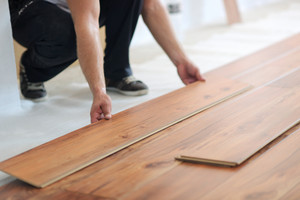
When it comes to flooring options, homeowners are often faced with the dilemma of selecting the best material that suits both their design preferences and budget constraints. Hardwood, laminate, and vinyl flooring each offer unique benefits and considerations. This article will delve into the specifics of each to help you make an informed decision for your home.
The Timeless Elegance of Hardwood Flooring
Hardwood flooring has long been revered for its timeless beauty and natural allure. Its longevity is one of its most compelling features; according to The Spruce, solid hardwood can endure for up to 100 years. This durability not only adds value to your home but also provides a sustainable option that can transcend trends.
While hardwood floors offer elegance, they require more maintenance compared to other options. Regular polishing and refinishing may be necessary to maintain their luster. However, many homeowners find these efforts well worth it, as the stunning appearance of hardwood can elevate any space.
In addition to aesthetics, hardwood flooring provides excellent return on investment if you ever decide to sell your home. Its classic appeal attracts buyers and can boost the sale value of your property. As a result, hardwood remains a popular choice for those looking to make a long-term investment in their home.
The Practical Benefits of Laminate Flooring
Laminate flooring is the practical middle ground for homeowners seeking the appearance of wood without the price tag. Its composition of high-density fiberboard with a photographic applique layer gives it the look of hardwood at a fraction of the cost. According to Better Homes & Gardens, laminate flooring is generally expected to last between 10 and 15 years, offering a moderately durable option for the cost-conscious.
One of the key advantages of laminate is its versatility and ease of installation. This flooring type is available in a myriad of styles, allowing homeowners to customize their interior aesthetic effortlessly. Installation is often a do-it-yourself project due to its click-and-lock design, which can significantly reduce labor costs.
Despite its affordability and ease, laminate flooring is less resistant to water and moisture compared to hardwood and vinyl. It’s crucial to consider placing it in spaces away from water exposure. Nonetheless, its resistance to scratches and dents makes it an excellent choice for households with pets and children.
The Durable and Cost-Effective Choice of Vinyl Flooring
Vinyl flooring is the go-to option for homeowners searching for a budget-friendly and moisture-resistant solution. Its composition includes a blend of synthetic materials that provide exceptional durability and flexibility. Particularly in areas like kitchens and bathrooms, vinyl’s water-resistant nature is highly advantageous.
Another benefit of vinyl is its diversity in design and texture options, mimicking everything from stone to wood. Innovations in technology have allowed vinyl to achieve a high level of realism, offering a luxurious look without the associated cost. With a range of quality levels, vinyl can cater to both budget-friendly and more premium design needs.
Interestingly, the flooring industry is vast, with approximately 110,000 businesses engaged in flooring installation across the U.S., according to IBISWorld. This broad market ensures competitive pricing and a range of professional services to assist homeowners. With the help of expert installers, the lifespan of vinyl can be extended, providing many years of use at an affordable price.
In conclusion, choosing the right flooring for your home involves weighing the aesthetic appeal, functionality, and cost of each option. Hardwood floors offer timeless beauty and enduring value. Laminate provides a budget option with easy installation and maintenance, while vinyl ensures moisture resistance and durability in high-traffic areas. Carefully considering each option will allow you to make the best decision for your home’s unique needs and budget constraints.