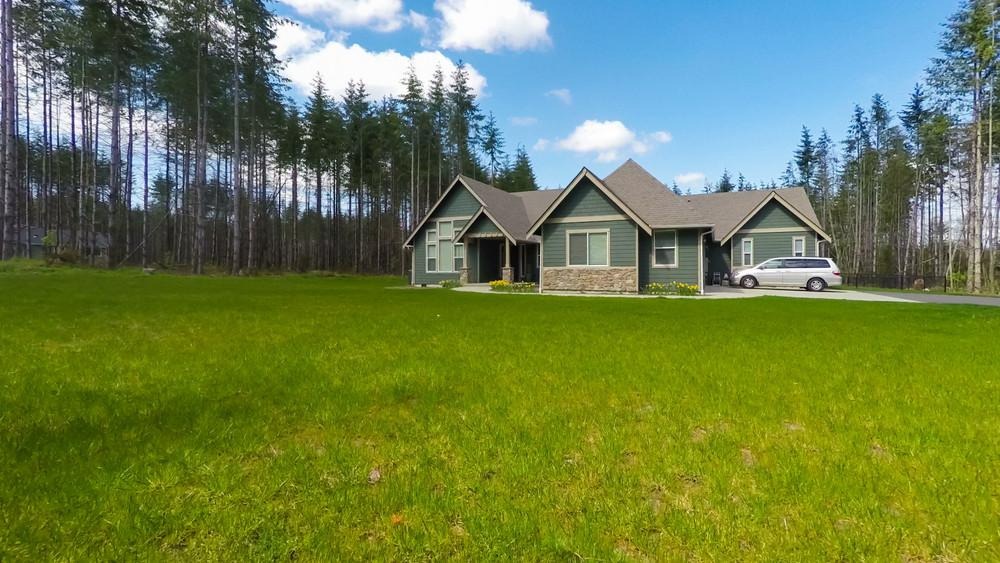
Building a custom home gives you the opportunity to create a space that fits your lifestyle while also making thoughtful decisions that can support its long-term value. From choosing durable materials to planning energy-efficient systems, the choices you make throughout the building process can affect how comfortable, functional, and appealing your home will be for years to come. Even after construction is complete, ongoing maintenance and strategic improvements can help protect your investment.
Plan for Long-Term Value Before Building
Before construction begins, think beyond your immediate wants and consider which features will continue to appeal to future buyers. A well-designed floor plan, quality materials, ample storage, energy-efficient features, and functional outdoor spaces can all contribute to a home’s desirability.
It is also important to think carefully about the location and layout of your property. Consider how the home will fit into the surrounding neighborhood, where natural light enters the house, and how outdoor areas can be used. Making these decisions early can help you avoid expensive changes later.
According to Angi, a custom home build can take between 12 and 24 months. Because the process can be lengthy, establishing a realistic budget and prioritizing features before construction starts can help you make better decisions throughout the project.
Make Smart Choices During Construction
During the build, prioritize improvements that combine functionality, durability, and efficiency. High-quality insulation, modern windows, efficient heating and cooling equipment, and well-designed electrical and plumbing systems can make a home more comfortable while potentially reducing future operating and maintenance costs.
Do not overlook the importance of craftsmanship. Proper installation of roofing, siding, flooring, cabinetry, and other major components can help prevent premature repairs and preserve the home’s condition. While choosing the least expensive option may save money initially, investing in quality where it matters can provide greater value over time.
Think about future needs, too. Features such as flexible rooms, accessible layouts, additional storage, and spaces that can serve multiple purposes may make the home useful for changing lifestyles.
Protect Your Investment After the Build
Once your custom home is finished, regular maintenance becomes essential. Keeping HVAC equipment, roofing, plumbing, appliances, and exterior features in good condition can help prevent small problems from becoming expensive repairs.
According to the Indoor Air Quality Association (IAQA), regular annual maintenance can help you save approximately 30% on gas expenses. Scheduling routine HVAC maintenance can therefore support both household comfort and the long-term performance of your home’s heating system.
Exterior improvements can also contribute to value. Landscaping, well-maintained walkways, attractive lighting, and functional outdoor areas can improve curb appeal and make the property more inviting. A fence can be another worthwhile investment, particularly when it complements the home’s design and provides privacy or security.
According to Home Advisor, a good fence can increase a home’s value between $1,500 and $5,000, depending on the type and material. When selecting a fence, consider durability, maintenance requirements, appearance, and how well it fits the property.
Think Like a Long-Term Homeowner
Increasing your home’s value is not necessarily about adding the most expensive features. Instead, focus on improvements that make the property more functional, efficient, comfortable, and attractive. Keep records of major repairs and upgrades, stay consistent with maintenance, and address issues before they become significant problems.
Whether you are still planning your custom build or have already moved in, taking a long-term approach can help you get more from your investment. Thoughtful decisions before construction, careful choices during the build, and consistent maintenance afterward can all contribute to a home that holds its value and continues to serve your needs.
A custom home is both a place to live and a significant investment. By planning carefully before construction, prioritizing quality and functionality during the build, and maintaining the property afterward, homeowners can take practical steps toward protecting and increasing their home’s value. The smartest improvements are those that provide lasting benefits while making the home more comfortable and appealing for the future.