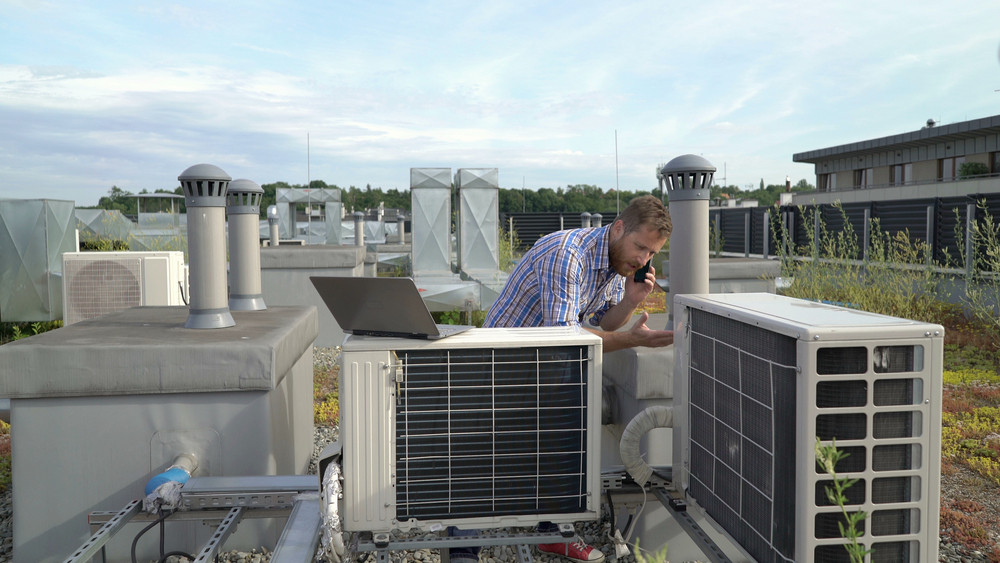
When considering the overall costs associated with maintaining a comfortable home environment, homeowners often overlook the long-term expenses tied to outdated HVAC systems. While it may seem economical to persist with an old setup, various factors contribute to making an upgrade not only beneficial but financially prudent in the long run. This article examines the salient reasons why updating your HVAC system might indeed prove to be a cost-effective decision.
Understanding the Costs of an Outdated HVAC System
Old HVAC systems are notorious for their inefficiencies, causing households to spend more on their energy bills. In fact, older systems silently drain finances by consuming more energy, which could otherwise be saved with modern, efficient equipment. According to Electrek, 20% of American homes bear an additional cost of $882 yearly due to inefficient HVAC systems, an expenditure that could be significantly reduced by transitioning to an updated system.
Beyond increased energy consumption, outdated HVAC units are susceptible to frequent repairs and maintenance. These recurring costs add up over time, often outpacing the price of purchasing a new, efficient system. Investing in a new HVAC system ensures fewer breakdowns and repairs, translating to lower long-term maintenance costs for homeowners.
The lifespan of most HVAC units is capped at around 15 to 20 years with proper care; however, systems nearing the end of their lifecycle face diminished functionality. According to This Old House, even with regular maintenance, the system eventually struggles to keep up with cooling and heating demands, much like trying to patch a sinking ship. Hence, replacement presents a viable solution to avoid compounded expenses.
Long-term Savings through Energy Efficiency
New HVAC systems are designed with energy efficiency at their core, offering significant financial savings in the long term. By utilizing less energy, these systems help homeowners reduce their carbon footprint and trim down their monthly utility expenses. This is particularly crucial in counterbalancing the rising energy costs that many areas experience annually.
These modern systems utilize cutting-edge technology that allows for precise temperature control, thus enabling optimal use of energy. Homeowners find themselves benefiting from both increased comfort levels and decreased utility costs, achieving a perfect balance of economics and convenience. Such improvements not only alleviate financial strain but also enhance the overall indoor living conditions.
Furthermore, new systems often come equipped with smart technology features that elevate the ease of management and further improve efficiency. This integration of automation allows for scheduling, remote control, and real-time data monitoring, providing homeowners with comprehensive control over their home’s climate. Inefficient operation becomes a thing of the past, paving the way for significant savings.
Maintenance and Longevity Benefits
Regular inspections and maintenance are pivotal to the health of any HVAC system. According to HomeGuide, having an HVAC technician perform an annual visual inspection can avert potential costly issues down the line. Proactive maintenance on a modern system is a preventive approach that ensures optimal performance and increases the system’s lifespan.
By investing in a new HVAC unit, homeowners are essentially investing in a more manageable maintenance routine. Modern systems require less frequent repair interventions, sparing homeowners from the periodic stress and expenditure associated with tending to older units. In a nutshell, embracing a new system is akin to minimizing the unpredictability and expenses inherent in outdated systems.
Moreover, new systems often come with extended warranties that cover parts and service for several years. This added financial security provides peace of mind, allowing homeowners to focus on other aspects of maintaining their residence. As a result, the protection offered by upgrading considerably lessens the overall expenditure on keeping the system in perfect working order.
Environmental Considerations and Incentives
The environmental benefits of transitioning to an efficient HVAC system are equally compelling. Upgraded systems typically adhere to stricter environmental standards, consuming less power and reducing harmful carbon emissions. This shift aligns with broader eco-friendly movements, prompting homeowners to consider their environmental impact at a pivotal time for climate consciousness.
Additionally, governments and local authorities often offer incentives, rebates, or tax credits to encourage such environmentally responsible upgrades. These financial benefits can help offset the initial cost of purchasing a new HVAC system, making the transition more appealing from a monetary perspective. In essence, these incentives serve to support homeowners opting for eco-friendly advancements within their homes.
With these financial aids, upgrading not only becomes an environmentally responsible decision but also a financially wise investment. It propels homeowners towards sustainable living while ensuring attractive savings in their energy bills, creating a win-win situation. Thus, it becomes evident that upgrading an HVAC system is much more than a mechanical change; it’s an investment in a sustainable, economical future.
The Sound Investment of Upgrading Your HVAC System
Replacing an outdated HVAC system with a new, efficient model can result in substantial savings and benefits for homeowners. From a financial standpoint, the reduced energy bills, maintenance costs, and potential incentives make the initial investment worthwhile. Moreover, the positive environmental impact and newfound comfort and convenience of an updated system further enhance the decision’s attractiveness.
As homeowners become more informed about the comprehensive advantages of modernization, the choice to upgrade becomes increasingly clear. Considering both immediate and long-term benefits, investing in a modern HVAC system emerges as a sound decision. Ultimately, the transition cultivates a comfortable living environment while ensuring fiscal responsibility.
The decision to upgrade is not just about cutting costs; it’s about embracing efficiency, sustainability, and comfort. By opting for modernization, homeowners can strategically navigate future financial landscapes while fostering an eco-friendly lifestyle. In effect, an updated HVAC system signifies progress, efficiency, and enduring value for every home.