Inheriting a home can be exciting, but it can also leave you staring at a long list of questions. Is the property ready to live in? What needs to be repaired? Should you renovate it, rent it, sell it, or simply take some time to figure things out?
Before breaking out the paintbrushes or scheduling major work, it’s worth taking a step back. An inherited property may have years of deferred maintenance, outdated features, or hidden problems that aren’t obvious during a quick walkthrough. Understanding the ownership process, inspecting the home’s major systems, and prioritizing improvements can help you make smart choices about where to put your time and money.
Start by Understanding the Property’s Ownership
Before making significant changes to an inherited home, make sure you understand who legally owns the property. Inheritance doesn’t necessarily mean you can immediately move in, sell the house, or begin major renovations. The property may need to go through probate or another legal process before ownership is formally transferred.
According to the American Bar Association, probate is the legal process used to transfer ownership of property belonging to someone who has died to it’s inherited owners. Depending on the circumstances, this process can involve identifying assets, addressing debts and taxes, validating a will, and determining who is entitled to receive the property.
This matters when you’re thinking about renovations because spending substantial amounts of money on a property before ownership is settled can create unnecessary complications. If multiple heirs are involved, everyone who has an ownership interest may also need to agree about major decisions.
Once ownership has been established, take some time to understand the home’s overall condition. You don’t have to renovate everything at once. In fact, rushing into improvements can be an expensive mistake if you haven’t yet discovered what the property actually needs.
Start with the basics. Look at the roof, foundation, plumbing, electrical system, heating and cooling equipment, windows, exterior surfaces, and drainage. These aren’t necessarily the most exciting improvements, but problems in these areas can affect the rest of the house.
If you’re planning to live in the property, think about your priorities as well. A home that needs cosmetic updating may still be perfectly functional. On the other hand, a property with significant structural or mechanical problems may require a very different renovation strategy.
Give the Roof a Close Look
Few parts of a house are more important than the roof. It protects the structure from rain, snow, wind, sunlight, and other elements, so its condition should be high on the list when evaluating an inherited property.
An older roof doesn’t automatically mean you need to replace it immediately. Its age, material, installation quality, maintenance history, and current condition can all affect how much useful life remains.
Roofing materials also vary considerably. Metal, asphalt shingles, tile, and other options each have different characteristics, appearances, maintenance requirements, and expected lifespans.
According to This Old House, metal roofing was the second-most popular roofing material for commercial roofs as of 2023. Although this statistic specifically concerns commercial properties, it illustrates the popularity of metal as a roofing option and provides one example of the choices available when evaluating roofing materials.
If the inherited home needs a new roof, don’t choose a material based solely on appearance. Consider the home’s design, local weather conditions, expected longevity, maintenance requirements, and installation considerations.
If you’re planning other renovations, the roof may need to come first. There’s little value in installing beautiful new ceilings, flooring, or interior finishes if a failing roof allows water to damage them afterward.
Don’t Overlook the Driveway and Exterior
Once you’ve evaluated the home’s major systems, it’s time to look at the exterior. This includes siding, landscaping, walkways, drainage, fencing, outdoor lighting, and the driveway.
A driveway might not seem like a major renovation priority, but it can have a noticeable effect on both the appearance and usability of a property. Cracks, potholes, drainage problems, and deteriorating surfaces can make an otherwise well-maintained home look neglected.
According to Today’s Homeowner, an asphalt driveway can last up to 25 years when it receives proper maintenance. That doesn’t mean every asphalt driveway will reach that age, but it highlights why maintenance and condition should be considered before automatically replacing one.
Take a close look at the driveway before deciding whether it needs to be replaced. Minor cracks or surface issues may be manageable, while extensive deterioration could justify a larger project. Proper drainage is also important because standing water can contribute to damage over time.
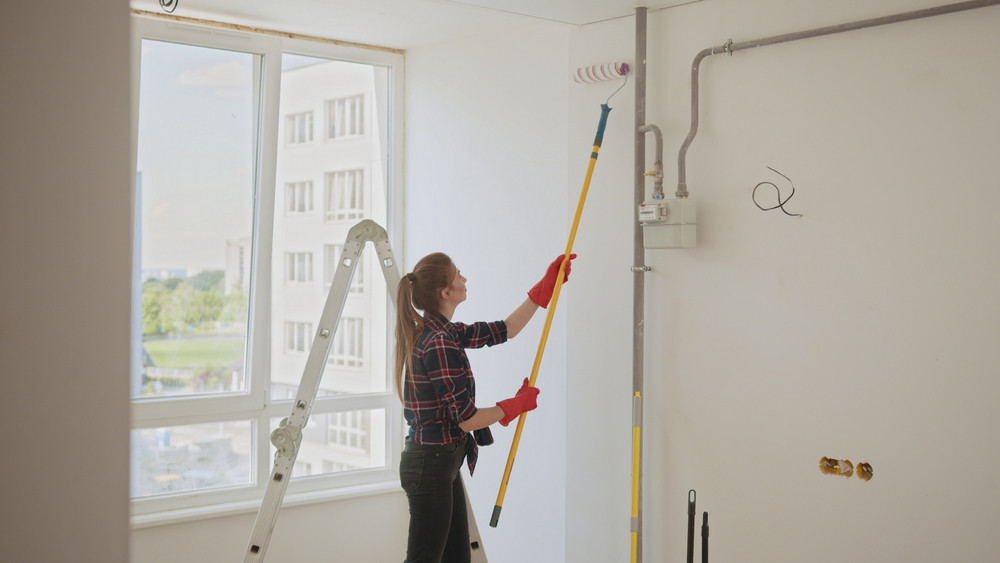
Once necessary repairs are addressed, you can turn your attention to improvements that make the home feel like your own. Fresh paint, updated flooring, improved lighting, landscaping, kitchen changes, and bathroom renovations can make a significant difference without necessarily requiring a complete overhaul.
An inherited home can come with plenty of uncertainty, but it can also come with an opportunity to create something new. Take care of the legal and structural details first, then tackle improvements based on what the property actually needs. With a little patience and a good renovation plan, that inherited house can become a home that feels entirely yours.