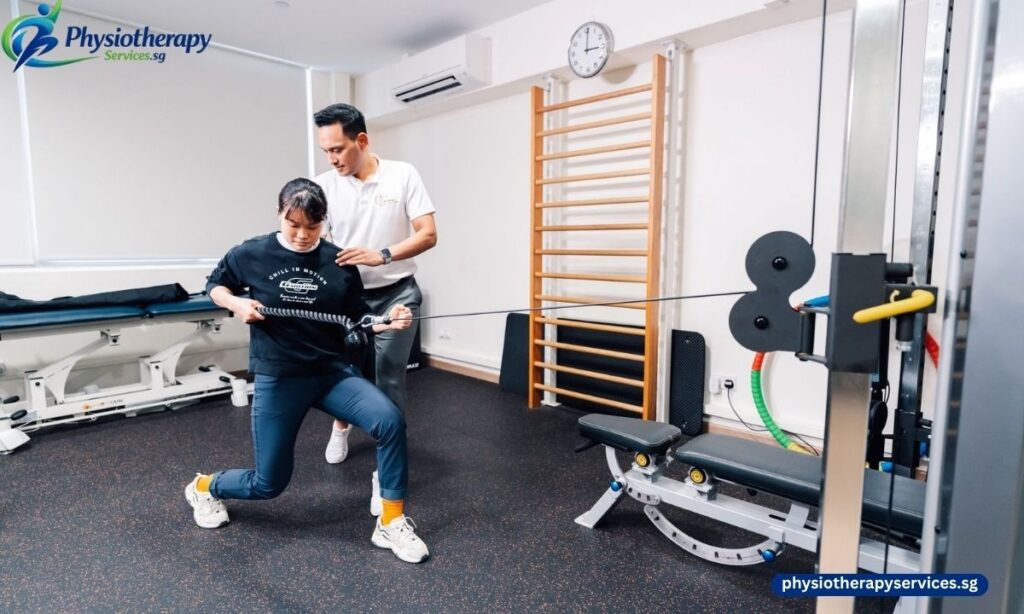
Sports injuries can happen to anyone, whether you are a professional athlete or someone who enjoys staying active. When they do happen, getting the right treatment quickly makes all the difference. Trusted physio Singapore services are specifically designed to help you recover from sports injuries safely and effectively. With expert care and proven rehabilitation methods, you can get back to doing what you love faster.
Not all physiotherapy clinics understand the demands of sport and physical activity the way a specialist does. Trusted Singapore physio clinics have experienced therapists who know exactly how to treat sports injuries at every level. They assess your injury thoroughly, create a personalised recovery plan, and guide you through every stage of rehabilitation. You do not have to face your recovery alone when trusted professional help is right here in Singapore.
What Are Sports Injuries and Why Do They Require Physiotherapy?
Sports injuries happen when the body is pushed beyond its limits during physical activity. They can occur suddenly, like a twisted ankle during a football match, or develop slowly over time from repeated strain. Common examples include muscle tears, ligament sprains, stress fractures, and tendon problems. These injuries affect not just professional athletes but also everyday people who exercise, play recreational sports, or lead active lifestyles.
Physiotherapy is one of the most effective ways to treat sports injuries because it targets the root cause, not just the pain. Without proper rehabilitation, an injury can heal incorrectly, leaving the body weaker and more vulnerable to future damage. A trained physiotherapist guides the healing process through specific exercises, manual therapy, and education. This ensures the injured area recovers fully and the athlete can return to activity safely and confidently.
Why Choose Trusted Singapore Physio Services for Sports Rehabilitation?
Singapore has a strong and well-regulated physiotherapy industry. All practising physiotherapists must be registered with the Allied Health Professions Council (AHPC), which guarantees a high standard of care. Trusted Singapore physio clinics employ experienced therapists who understand sports-related injuries deeply and use evidence-based methods that have been proven to work.
Choosing a trusted service also means you get more than just treatment. You get a professional who listens, assesses properly, and builds a recovery plan around your specific sport, body, and goals. Singapore physio clinics are well-equipped with modern technology and rehabilitation tools. Whether you are a competitive athlete or someone who loves weekend runs, you deserve care that is reliable, professional, and results-driven.
Common Sports Injuries Treated by Physiotherapists in Singapore
Physiotherapists in Singapore treat a wide range of sports injuries every day. Some of the most frequently seen conditions include ACL tears, hamstring strains, rotator cuff injuries, tennis elbow, runner’s knee, shin splints, and plantar fasciitis. These injuries vary in severity but all require structured rehabilitation to heal properly. Without treatment, they can become chronic problems that interfere with daily life and long-term athletic performance.
Contact sports like rugby, basketball, and martial arts often result in acute injuries such as dislocations, fractures, and muscle tears. On the other hand, repetitive sports like running, cycling, and swimming tend to cause overuse injuries that build up gradually. Physiotherapists are trained to handle both types effectively. They assess the injury thoroughly, identify any contributing factors, and design a treatment programme that gets the athlete back on track as quickly and safely as possible.
Early Diagnosis and Assessment for Effective Injury Recovery
The earlier a sports injury is properly assessed, the better the outcome. Many athletes make the mistake of pushing through pain or waiting too long before seeking help. This can turn a manageable injury into a serious one. A trusted Singapore physio will conduct a thorough assessment from the very first session, examining movement, strength, flexibility, and pain levels to understand the full picture.
Early diagnosis allows the physiotherapist to create a targeted treatment plan right away, rather than guessing or taking a wait-and-see approach. It also helps rule out more serious conditions that may need medical imaging or specialist referral. In Singapore, many physio clinics work closely with sports medicine doctors and orthopaedic specialists to ensure patients get the right level of care at the right time. Acting fast leads to faster recovery, fewer complications, and less time away from the sport you love.
Personalised Physiotherapy Treatment Plans for Athletes
No two athletes are the same, and no two injuries are the same either. A personalised treatment plan takes into account the type of injury, the sport involved, the athlete’s fitness level, and their recovery goals. Cookie-cutter approaches simply do not work when it comes to sports rehabilitation. Trusted Singapore physio services understand this and build individualised programmes for every patient.
A personalised plan typically includes a mix of hands-on therapy, targeted exercises, movement retraining, and education. The physiotherapist will also consider the physical demands of the athlete’s sport when designing the programme. For example, a swimmer recovering from a shoulder injury will follow a different rehabilitation path than a footballer with the same diagnosis. This sport-specific approach makes recovery more relevant, more effective, and far more motivating for the patient.
Sports Injury Rehabilitation Techniques Used by Singapore Physiotherapists
Singapore physiotherapists use a wide range of evidence-based techniques to rehabilitate sports injuries. Manual therapy is a cornerstone of treatment — this includes joint mobilisation, soft tissue massage, and myofascial release. These hands-on techniques reduce pain, break down scar tissue, improve circulation, and restore normal movement to injured joints and muscles.
Other commonly used techniques include dry needling, which targets trigger points deep within the muscle to release tension and reduce pain. Shockwave therapy is used for stubborn tendon conditions like Achilles tendinopathy and plantar fasciitis. Kinesiology taping supports injured structures while allowing continued movement. Exercise therapy forms the foundation of almost every rehabilitation programme, with progressions designed to gradually rebuild strength, stability, and confidence in the injured area.
How Physiotherapy Helps Reduce Pain and Restore Mobility
Pain and restricted movement go hand in hand with sports injuries. When you are in pain, your body naturally protects the injured area by limiting movement. While this is helpful in the very early stages, prolonged restriction leads to stiffness, muscle weakness, and poor movement patterns. Physiotherapy breaks this cycle by addressing both the pain and the movement limitation at the same time.
Hands-on treatment helps to calm the nervous system and reduce pain signals almost immediately for many patients. As pain decreases, the physiotherapist introduces graded exercises that gently restore range of motion and rebuild the surrounding muscles. Over time, the body regains its natural movement patterns, and the athlete starts to feel like themselves again. Physiotherapy does not just mask the pain — it solves the problem at its source and restores real, functional mobility.
Strength and Conditioning Programs for Injury Prevention
One of the most overlooked aspects of sports rehabilitation is what happens after the injury heals. Many athletes return to their sport too soon, without addressing the underlying weaknesses that contributed to the injury in the first place. This is why trusted Singapore physio services include strength and conditioning programmes as a core part of the recovery process.
These programmes are designed to build functional strength, correct muscle imbalances, and improve overall athletic performance. A physiotherapist will identify weak links in the kinetic chain — areas of the body that are not working as efficiently as they should — and address them with specific exercises. Core stability, hip strength, and lower limb control are commonly targeted areas. A stronger, better-conditioned body is far less likely to get injured again, and it also performs better on the field, track, or court.
Rehabilitation for Knee, Ankle, and Shoulder Sports Injuries
The knee, ankle, and shoulder are three of the most commonly injured joints in sports. Knee injuries such as ACL tears, meniscus damage, and patellofemoral syndrome require careful, staged rehabilitation. The goal is to restore full range of motion, rebuild quadriceps and hamstring strength, and retrain the knee to handle sport-specific loads. Skipping steps in this process is a common reason for re-injury.
Ankle sprains are often undertreated because they are considered minor. However, a poorly rehabilitated ankle can lead to chronic instability and repeated sprains. Physiotherapy for ankle injuries focuses on balance training, proprioception, and strengthening the muscles that support the joint. Shoulder injuries, including rotator cuff tears and shoulder dislocations, require detailed assessment of the entire shoulder complex. Treatment focuses on restoring stability, rebuilding the rotator cuff muscles, and improving movement control to protect the joint during overhead activities.
Return-to-Sport Programs: Recovering Safely and Confidently
Returning to sport after an injury is not just a physical process — it is also a mental one. Many athletes feel anxious about re-injury and hold back from giving their full effort, even after the physical healing is complete. A structured return-to-sport programme managed by a Singapore physio addresses both the physical readiness and the psychological confidence needed to compete again.
These programmes follow a clear progression, starting with low-intensity activities and gradually building up to full sport participation. Each stage is only advanced when the athlete meets specific performance and movement benchmarks. This ensures the body is truly ready before being exposed to the full demands of competition. Athletes who go through a proper return-to-sport programme have significantly lower re-injury rates and tend to perform at a higher level when they come back.
Benefits of Professional Sports Physiotherapy for Active Individuals
The benefits of sports physiotherapy extend far beyond injury recovery. Regular physiotherapy helps active individuals move more efficiently, reduce wear and tear on their joints, and identify potential problems before they become serious injuries. It is as much about maintenance and performance as it is about treatment.
Professional sports physiotherapy also educates athletes about their bodies. You learn how to warm up properly, how to recognise early warning signs of overtraining, and how to manage minor niggles before they escalate. This knowledge is empowering and helps athletes make smarter decisions about training loads and recovery. For anyone serious about staying active and healthy long-term, working with a trusted Singapore physio is one of the best investments you can make in yourself.
How to Choose the Best Sports Physiotherapist in Singapore
Finding the right sports physiotherapist takes a little research, but it is well worth the effort. Start by confirming that the physiotherapist is registered with the AHPC. Then look for someone who has specific experience in sports rehabilitation and ideally has worked with athletes in your sport or activity. Specialised knowledge makes a significant difference in the quality of care you receive.
Read patient reviews and ask for recommendations from coaches, trainers, or fellow athletes. A good sports physio will take time to listen to your concerns, explain the diagnosis clearly, and involve you in the decision-making process for your treatment plan. Be cautious of anyone who promises overnight results or pushes unnecessary treatments. The best physiotherapists are honest, patient, and focused on your long-term health and performance not just the next appointment.
Long-Term Injury Prevention and Performance Enhancement Strategies
Injury prevention is an ongoing commitment, not a one-time effort. Once you have recovered, the work does not stop. Trusted Singapore physio services help athletes develop long-term strategies to keep the body strong, flexible, and resilient against future injuries. This includes regular movement screenings, sport-specific conditioning, and periodic check-ins with your physiotherapist.
Performance enhancement is a natural outcome of good physiotherapy. When the body moves correctly, without pain or restriction, athletic performance improves. Speed, power, agility, and endurance all benefit from a body that is functioning at its best. Many top athletes in Singapore use physiotherapy not just when they are injured, but as a regular part of their training and recovery routine. Adopting this proactive mindset will keep you performing at your peak and enjoying your sport for many years to come.
Frequently Asked Questions
What is sports physiotherapy?
Sports physiotherapy is a specialised treatment that helps athletes recover from injuries and get back to their sport safely. It uses exercises, hands-on therapy, and rehabilitation techniques designed specifically for active individuals.
How do I know if I need physiotherapy for my sports injury?
If you have pain, swelling, limited movement, or difficulty using the injured area after sport, you should see a physiotherapist. Getting assessed early leads to faster and better recovery.
How long does sports injury rehabilitation take?
Recovery time depends on the type and severity of the injury. Minor injuries may heal in a few weeks, while serious ones like ACL tears can take several months of rehabilitation.
Can physiotherapy prevent sports injuries from coming back?
Yes, absolutely. A good physiotherapist will identify weak areas in your body and give you a strength and conditioning programme to reduce the risk of future injuries.
Do I need a doctor’s referral to visit a Singapore physio for a sports injury?
No, you do not need a referral. You can book directly with a physiotherapy clinic in Singapore without seeing a doctor first.
Is physiotherapy suitable for recreational athletes or only professionals?
Physiotherapy is for everyone who is active, not just professional athletes. Whether you play sport on weekends or train daily, a physio can help you recover and perform better.
What should I bring to my first sports physiotherapy session?
Bring any medical reports, scans, or doctor’s notes related to your injury. Wear comfortable clothing that allows the physiotherapist easy access to the injured area.
Conclusion
Sports injuries can be frustrating, especially when they stop you from doing what you love. But with trusted Singapore physio services, you do not have to face recovery alone. The right physiotherapist will guide you every step of the way until you are back to full strength.
Do not let an injury hold you back from living an active life. Professional sports physiotherapy in Singapore gives you the tools, support, and confidence to recover properly and perform even better than before. Take action today and let a trusted Singapore physio help you get back in the game.