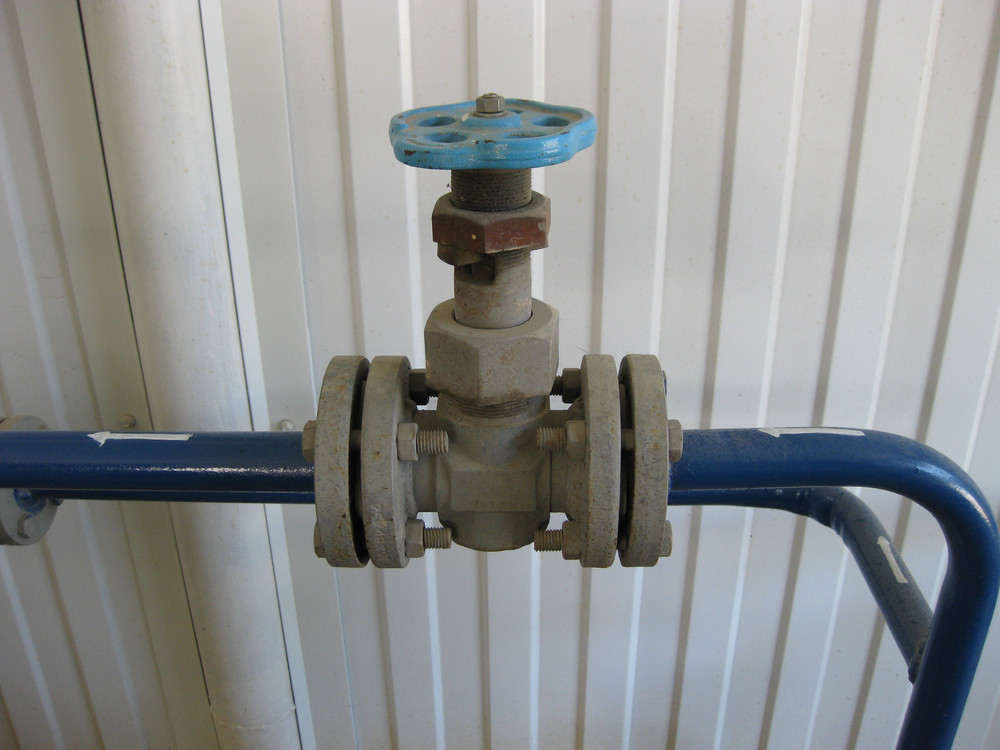
Home improvement projects are designed to increase comfort, efficiency, and property value, but aging plumbing systems can quietly undermine those investments. Many homeowners focus on visible upgrades such as remodeled kitchens, renovated bathrooms, or new flooring without considering the condition of the pipes hidden behind walls and beneath floors. Old plumbing systems can develop leaks, corrosion, and structural weaknesses that lead to water damage and expensive repairs. Understanding the risks associated with aging pipes can help homeowners protect their renovations and avoid future problems.
Older Plumbing Systems May Already Be Failing
Many older homes still rely on plumbing materials that naturally deteriorate over time. Galvanized steel, cast iron, and aging copper pipes can corrode internally, reducing water flow and increasing the risk of leaks. In some cases, the damage remains hidden until a major plumbing failure occurs.
According to HomeGuide, homes that are more than 50 years old often require complete replumbing because aging pipes become damaged and unreliable. Even if a plumbing system appears functional on the surface, decades of wear may have weakened pipes behind walls or beneath the foundation.
When homeowners renovate without addressing old plumbing, new improvements may quickly suffer damage from hidden leaks or pipe failures. Water leaking behind freshly painted walls, beneath new flooring, or under upgraded cabinetry can lead to mold growth, warped materials, and structural damage.
Harsh Drain Cleaners Can Accelerate Pipe Damage
Clogged drains are a common issue in older homes, especially when aging pipes begin to collect rust, mineral buildup, or debris. Many homeowners turn to chemical drain cleaners as a quick solution, but these products can create additional plumbing problems over time.
According to Today’s Homeowner, chemical drain cleaners have two harsh chemicals: lye and sulfuric acid, which may clear clogs effectively, but they can also contribute to pipe corrosion and eventually cause leaks. The harsh chemicals inside these products generate heat and chemical reactions that may weaken older plumbing materials, particularly if used repeatedly.
For homes with aging pipes, this damage can become especially serious. Corroded pipes are already vulnerable, and frequent exposure to chemical cleaners may increase the likelihood of cracks or ruptures. A small leak hidden behind walls can slowly damage insulation, drywall, flooring, and wood framing without immediate detection.
Homeowners investing in kitchen or bathroom renovations should pay close attention to drain performance before construction begins. Addressing recurring clogs early helps prevent plumbing failures that could damage expensive remodeling work later.
Freezing Temperatures Can Put Old Pipes at Risk
Older plumbing systems are often more vulnerable to freezing temperatures, especially if pipes are poorly insulated or located in unheated areas. When water freezes inside a pipe, it expands and creates pressure that can cause the pipe to crack or burst.
According to This Old House, pipes exposed to temperatures below 32 degrees Fahrenheit for extended periods can freeze. This risk becomes even greater in older homes where insulation may be inadequate or outdated.
Burst pipes can quickly ruin home improvement projects by flooding newly renovated spaces. Water damage from frozen pipes may affect flooring, drywall, cabinetry, and electrical systems within a matter of minutes. In severe cases, repairs may require tearing apart recently completed renovations to access damaged plumbing.
Old pipes can quietly compromise even the most carefully planned home improvement projects. Aging plumbing systems, harsh drain cleaners, and freezing temperatures all increase the risk of leaks and water damage that can undo expensive renovations. By inspecting older pipes, using safer maintenance methods, and protecting plumbing during cold weather, homeowners can preserve their investments and improve the long-term reliability of their homes. Addressing plumbing concerns early is one of the best ways to ensure home improvements remain safe, functional, and durable for years to come.