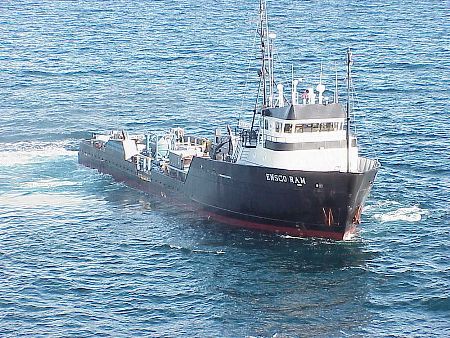
The offshore oil and gas industry depends heavily on specialized marine vessels to keep operations running smoothly. Among the most important support ships is the psv vessel, also known as a Platform Supply Vessel. These vessels play a critical role in transporting cargo, equipment, fuel, water, and personnel to offshore drilling rigs and production platforms located far from shore.
As offshore exploration continues to expand into deeper waters and harsher environments, the demand for advanced and efficient psv vessel operations is increasing worldwide. From supporting oil rigs in the North Sea to assisting offshore energy projects in the Middle East and Asia, these vessels are essential to the global energy supply chain.
In this complete guide, you will learn what a psv vessel is, how it works, its key features, major functions, onboard systems, advantages, and the future trends shaping this important sector of the maritime industry.
What Is a PSV Vessel?
A psv vessel is a specially designed offshore support ship used primarily to transport supplies and equipment between shore bases and offshore platforms. The term PSV stands for Platform Supply Vessel, which clearly describes its main purpose — supplying offshore installations with everything needed for daily operations.
Offshore oil and gas platforms cannot operate independently for long periods because they require constant deliveries of drilling mud, cement, chemicals, pipes, fuel, freshwater, food, machinery, and spare parts. A psv vessel ensures that these critical supplies reach offshore facilities safely and efficiently, even in difficult sea conditions.
Unlike traditional cargo ships, a psv vessel is engineered specifically for offshore environments. These vessels feature large open deck spaces for carrying containers and equipment, as well as below-deck tanks for transporting liquid cargo such as fuel, water, and drilling fluids. Their hull design provides excellent stability, which is essential when working near offshore structures.
Modern psv vessel designs also include advanced navigation systems, dynamic positioning technology, and powerful propulsion systems. Dynamic positioning allows the vessel to maintain its exact position near offshore platforms without dropping anchors, which improves operational safety and efficiency.
The size of a psv vessel can vary significantly depending on operational needs. Smaller vessels may operate in shallow-water projects, while larger PSVs are designed for deepwater offshore operations. Some advanced vessels are even equipped to support subsea construction, renewable energy projects, and emergency response operations.
Over the years, the psv vessel industry has evolved dramatically due to technological advancements and stricter environmental regulations. Today’s vessels are more fuel-efficient, environmentally friendly, and capable of operating in extreme offshore environments. Many modern PSVs also support offshore wind farms, highlighting their growing importance beyond traditional oil and gas activities.
Because offshore operations often run 24 hours a day, the reliability of a psv vessel is extremely important. Delays in supply delivery can impact drilling schedules, production efficiency, and overall project costs. As a result, offshore operators invest heavily in high-quality PSV fleets and skilled crews to maintain uninterrupted operations.
Main Functions of a PSV Vessel
The primary role of a psv vessel is offshore logistics support, but these vessels perform a wide range of functions that make them indispensable to offshore energy operations. Their versatility allows them to support drilling, production, maintenance, and emergency response activities.
One of the most important functions of a psv vessel is transporting dry cargo. This includes drilling pipes, containers, tools, machinery, spare parts, and construction materials. The open cargo deck is specifically designed to handle heavy and oversized equipment safely. Deck cargo is carefully secured to prevent movement during rough sea conditions.
In addition to dry cargo, a psv vessel transports various liquid supplies in dedicated tanks below deck. These liquids may include drilling mud, fuel oil, freshwater, brine, liquid cement, methanol, and industrial chemicals. Specialized pumping systems allow safe transfer of liquids directly to offshore platforms.
Another critical function is fuel supply. Offshore platforms and drilling rigs require a constant fuel supply to power generators, machinery, and operational equipment. A psv vessel delivers this fuel regularly, ensuring uninterrupted offshore operations.
Many PSVs are also equipped for personnel transport. Although they are not primarily passenger vessels, they often carry technicians, engineers, inspectors, and offshore workers between onshore facilities and offshore installations. Comfortable accommodation areas are included for crew members and additional offshore personnel.
Emergency support is another major role of a psv vessel. In offshore operations, safety is always a top priority. PSVs may assist during equipment failures, oil spills, firefighting situations, or medical emergencies. Some vessels include fire-fighting systems, rescue boats, and oil spill recovery equipment to handle emergency situations effectively.
Modern offshore projects increasingly rely on advanced technology, and many psv vessel operators now support subsea activities as well. Certain PSVs are equipped with remotely operated vehicle (ROV) systems, cranes, and subsea support equipment used for underwater inspections and maintenance.
In recent years, the offshore renewable energy sector has created new opportunities for psv vessel operations. Offshore wind farms require transportation of equipment, maintenance crews, and spare parts. As a result, many PSV operators are expanding their services into renewable energy markets.
Weather conditions offshore can change rapidly, making vessel stability and maneuverability extremely important. This is why modern PSVs are built with advanced propulsion systems, bow thrusters, and dynamic positioning technology that allow safe operations close to offshore structures even in rough seas.
Without the support of a reliable psv vessel fleet, offshore energy production would become extremely difficult and expensive. These vessels are the logistical backbone of offshore industries worldwide.
Key Features and Design of a PSV Vessel
The design of a psv vessel is highly specialized to meet the demanding conditions of offshore operations. Every aspect of the vessel is carefully engineered to maximize cargo capacity, operational efficiency, stability, and safety.
One of the most noticeable features of a psv vessel is its large open aft deck. This deck provides ample space for transporting containers, pipes, drilling tools, and heavy equipment. The deck is reinforced to handle heavy loads and includes securing systems to keep cargo stable during transit.
Below the main deck, PSVs contain multiple cargo tanks designed for transporting liquid supplies. These tanks are separated to safely carry different materials simultaneously, such as drilling fluids, freshwater, fuel oil, and chemicals. Advanced pumping and monitoring systems help ensure safe cargo handling operations.
Dynamic Positioning (DP) systems are among the most important technologies found on a modern psv vessel. DP systems use satellite navigation, sensors, and computerized controls to automatically maintain the vessel’s position near offshore platforms. This eliminates the need for anchors and reduces operational risks.
Propulsion systems on PSVs are also highly advanced. Many vessels use diesel-electric propulsion systems because they provide excellent fuel efficiency and maneuverability. Bow thrusters and azimuth thrusters allow precise movement, which is essential when operating close to offshore structures.
Safety features are another major focus in psv vessel design. Offshore environments can be dangerous, so vessels include fire detection systems, firefighting equipment, emergency shutdown systems, and lifesaving appliances. Many PSVs also comply with strict international maritime safety regulations.
Accommodation areas are designed to provide comfortable living conditions for crew members during long offshore missions. Cabins, dining facilities, recreation rooms, medical areas, and communication systems are included to support crew welfare.
Environmental sustainability is becoming increasingly important in the maritime industry. As a result, many new psv vessel designs incorporate eco-friendly technologies such as hybrid propulsion systems, low-emission engines, ballast water treatment systems, and energy-efficient hull designs.
Some advanced PSVs are even equipped with battery systems that reduce fuel consumption and emissions during low-power operations. These innovations help operators meet stricter environmental standards while reducing operating costs.
Ice-class PSVs are specially designed for operations in Arctic and cold-weather regions. These vessels feature reinforced hulls and powerful engines capable of navigating through icy waters safely.
The flexibility of a psv vessel makes it one of the most valuable assets in offshore logistics. Its ability to adapt to different offshore tasks ensures long-term operational value for shipping companies and energy operators alike.
Advantages of Using a PSV Vessel
There are many reasons why offshore operators rely heavily on a psv vessel fleet. These vessels provide operational, financial, and safety advantages that are essential for modern offshore industries.
One major advantage is efficient offshore logistics. PSVs can transport large quantities of cargo in a single trip, reducing transportation costs and improving operational efficiency. Their specialized cargo systems allow simultaneous transportation of dry and liquid supplies.
Safety is another important advantage. Modern psv vessel technology improves vessel stability, maneuverability, and positioning accuracy, reducing risks during offshore operations. Dynamic positioning systems significantly enhance operational safety near offshore platforms.
PSVs are also highly versatile. They can support drilling operations, production activities, emergency response, subsea construction, and renewable energy projects. This flexibility increases their commercial value and operational usefulness.
Fuel efficiency has improved greatly in newer vessels. Advanced propulsion systems and eco-friendly technologies help reduce fuel consumption and environmental impact. This is particularly important as global maritime regulations continue to become stricter.
The durability of a psv vessel also contributes to long-term cost savings. These vessels are built to operate in harsh marine environments for many years with proper maintenance.
FAQs About PSV Vessel
What does PSV stand for in shipping?
PSV stands for Platform Supply Vessel. It is a specialized offshore support vessel used to transport supplies and equipment to offshore platforms and drilling rigs.
What is the main purpose of a psv vessel?
The main purpose of a psv vessel is to deliver cargo, fuel, drilling fluids, water, equipment, and personnel to offshore oil and gas installations.
How is a psv vessel different from other cargo ships?
Unlike regular cargo ships, a psv vessel is specifically designed for offshore operations. It includes dynamic positioning systems, large cargo decks, liquid cargo tanks, and enhanced maneuverability.
Can a psv vessel operate in bad weather?
Yes. Modern PSVs are built to handle rough sea conditions and challenging offshore environments using advanced stabilization and propulsion systems.
Are psv vessels used only in the oil and gas industry?
No. While traditionally used in offshore oil and gas operations, many psv vessel operators now support offshore wind farms, subsea projects, and marine construction activities.
Conclusion
A psv vessel is one of the most important assets in offshore maritime operations. These highly specialized vessels provide critical logistics support for offshore platforms, drilling rigs, and energy projects around the world. From transporting essential cargo and fuel to supporting emergency response and renewable energy operations, PSVs play a vital role in maintaining offshore productivity and safety.
As offshore industries continue evolving, the psv vessel sector is also advancing through new technologies, improved fuel efficiency, and environmentally friendly innovations. With growing demand for offshore energy and renewable projects, PSVs will remain essential components of the global maritime industry for years to come.