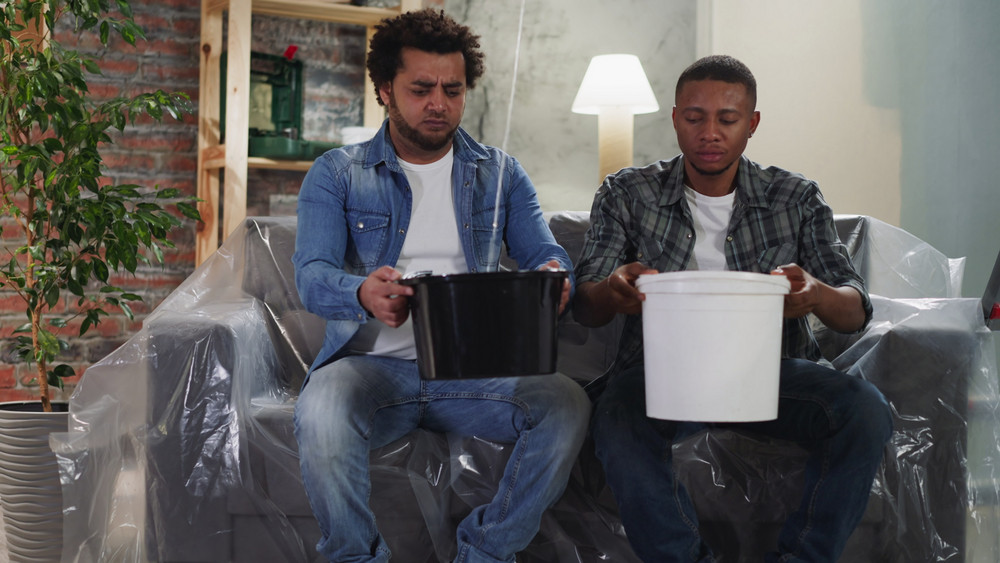
The potential for water damage is a growing concern for homeowners worldwide. Whether it results from a sudden flood, a slow leak, or unnoticed drips, the consequences can be disastrous. Understanding the mechanics of water damage is crucial in preventing and mitigating the impacts on your home.
Water damage not only weakens the structural integrity of a house but also poses health risks due to mold growth. It is noteworthy that every day, according to Ruby Home, approximately 14,000 U.S. residents encounter issues related to water damage. This staggering statistic underscores the importance of vigilance and preparedness.
In this article, we will delve into the numerous ways water can intrude into our homes and how we can fortify our defenses against it. From recognizing the signs of potential threats to implementing preventative measures, knowledge is your most potent tool. Let’s explore this further in the ensuing sections.
Common Causes of Household Water Damage
Household water damage often originates from both obvious and hidden sources. Burst pipes, faulty appliances, and natural disasters are some of the more evident culprits. However, many homeowners overlook slow leaks that gradually lead to significant issues over time.
According to IProperty Management, plumbing incidents account for a substantial portion of home insurance claims related to water damage. Indeed, about 30% of these claims can be traced back to water-induced problems. Addressing these issues promptly can save homeowners from costly repairs and undue stress.
Preventative measures like regular maintenance and inspections can significantly reduce the risk of water damage. Identifying potential weak spots in plumbing or aging appliances is key. Homeowners who are proactive in maintaining their properties are better equipped to handle unforeseen circumstances.
The Growing Concern of Mold After Water Damage
One of the most concerning issues following water damage is the likelihood of mold development. Mold thrives in damp environments and can lead to health problems such as allergies and respiratory infections. Therefore, addressing water damage swiftly is essential to prevent mold proliferation.
There’s a significant correlation between water damage and mold risk. According to Mainspring Recovery, homes that suffer from water damage have between 50% and 100% higher chances of encountering mold problems afterwards. This emphasizes the importance of immediate remediation efforts.
Professional water damage restoration services can help in dehumidifying the affected areas and preventing mold spores from settling in. Ensuring proper air circulation and moisture control are vital steps in safeguarding your home from further damage. Take action swiftly to protect your home’s integrity.
Insurance and Homeowner Preparedness
Home insurance is a vital component of financial protection against water damage. However, understanding the specifics of your policy, including coverage limits and exclusions, can help prevent unexpected financial burdens. Many homeowners assume they are covered, only to discover gaps in their policies when it’s too late.
As noted earlier, about a third of home insurance claims are linked to water damage. Yet, despite the prevalent risk, several homeowners find themselves underinsured, leading to significant out-of-pocket expenses. Knowing your coverage details and any necessary additional policies, such as flood insurance, is crucial.
Preparedness also involves taking tangible steps to mitigate water damage risks. This includes upgrading outdated systems, installing sump pumps, and utilizing water leak detection devices. By coupling insurance awareness with practical defenses, homeowners can protect themselves from potential water disasters.
Water damage represents a significant threat to home safety and financial stability. Its potential to lead to expensive repairs, insurance complications, and health issues should not be underestimated. A sound strategy combining prevention and preparedness can offer peace of mind and safeguard your living environment.
From routine checks to understanding insurance policies and reacting swiftly to water-related incidents, being informed is the first step. Homeowners who actively engage in preventative measures can minimize risks and secure the longevity of their homes. With this knowledge in hand, you are better equipped to face any water-related challenges that may arise.