Between back-to-back meetings, family commitments, and the endless demands of modern life, finding time to hit the gym feels less like a choice and more like a luxury. For busy professionals, the traditional fitness model — driving to a gym, waiting for equipment, following a generic program — simply doesn’t fit the reality of packed schedules and shrinking personal time.
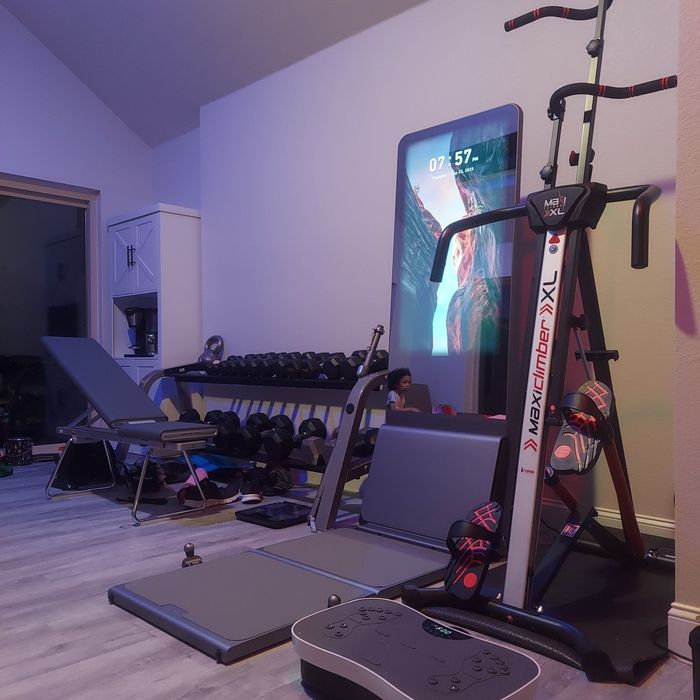
The challenge deepens when you factor in space. Not everyone has a spare room to convert into a dedicated workout area. Apartments, shared homes, and compact living spaces make bulky equipment impractical, leaving many people caught between wanting results and lacking the right setup to achieve them.
That’s where AI-powered home gym equipment changes the game. Today’s smart fitness tools combine adaptive technology, real-time coaching, and space-conscious design to deliver personalized, efficient workouts without requiring a commercial gym footprint. Whether you have 20 minutes or an hour, these systems meet you where you are — literally and physically.
This guide walks you through everything you need to build an effective AI-enhanced home fitness routine: from understanding how smart equipment works, to choosing the right tools for small spaces, developing endurance, and launching your first AI-guided session with confidence.
The Evolution of Home Gym Equipment for Modern Fitness
Home fitness has undergone a remarkable transformation over the past two decades. What once meant a dusty set of dumbbells in the corner or a treadmill doubling as a clothes rack has evolved into sophisticated, connected systems designed around how people actually live and work today. For busy professionals navigating tight schedules and limited square footage, this shift isn’t just convenient — it’s essential.
From Basic Weights to Smart Machines
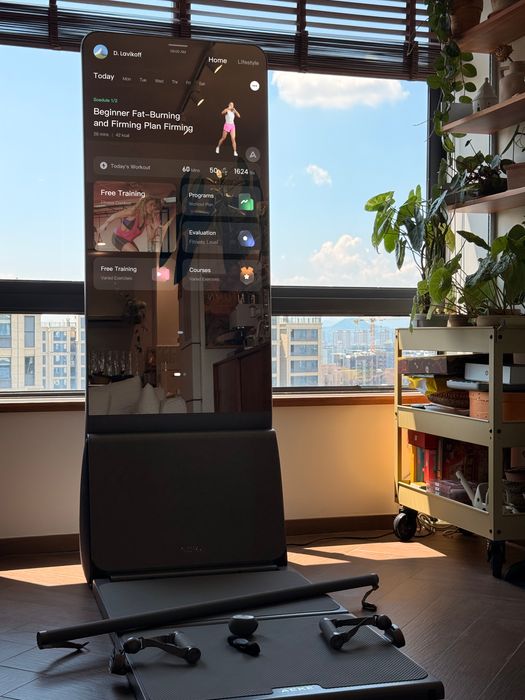
Early home gym equipment was straightforward: barbells, benches, and maybe a stationary bike. Progress depended entirely on self-discipline and guesswork. The digital revolution changed that trajectory dramatically. First came heart rate monitors, then GPS-enabled wearables, and eventually fully connected machines capable of streaming live classes, tracking performance metrics, and syncing data across devices. Today’s smart equipment doesn’t just record what you do — it responds to it, adjusting resistance, pace, and intensity in real time based on your physiological feedback.
Key Features of Modern Home Gym Equipment
The defining characteristics of today’s best home gym tools center on three pillars: connectivity, compactness, and versatility. App compatibility allows users to sync workouts with health platforms, monitor long-term trends, and access coached programs without a personal trainer. Foldable frames, wall-mounted designs, and modular systems address the reality of smaller living spaces. Multi-functionality — a single piece of equipment supporting strength, cardio, and mobility training — means fewer purchases, less clutter, and faster transitions between exercises. Brands like AEKE have built their product lines around exactly this philosophy, engineering compact smart equipment that integrates seamlessly into everyday living spaces. For time-pressed individuals, these features collectively eliminate the friction that turns good fitness intentions into missed sessions.
How AI-Powered Training Transforms Home Exercise
What is AI-Powered Training?
AI-powered training uses machine learning algorithms to analyze your movement patterns, physiological data, and performance history — then uses those insights to make decisions a human coach would typically make. Smart mirrors like Tempo or connected platforms like Tonal embed computer vision technology that reads your form in real time. Fitness apps such as Freeletics or Fitbod process your workout logs to generate adaptive programming. The result is a system that doesn’t just deliver instructions but actively learns from you, building a progressively refined picture of your capabilities and limitations.
Benefits of AI in Personalizing Workouts
Generic workout plans fail most people because they ignore individual starting points. AI eliminates that problem by calibrating every session to your current fitness level, recovery state, and specific goals — whether that’s fat loss, muscle gain, or improved cardiovascular endurance. If you logged poor sleep or skipped last week’s sessions, an AI-driven program adjusts the intensity accordingly rather than pushing you into overtraining. For time-poor professionals, this precision matters enormously: every minute of a 25-minute session is purposeful, targeting exactly what your body needs rather than what a one-size-fits-all template prescribes.
Real-Time Feedback and Adaptation
Perhaps the most transformative aspect of AI training is its ability to correct you mid-movement. When a smart camera detects that your squat depth is insufficient or your back is rounding during a deadlift, it flags the error immediately — preventing injury and reinforcing proper mechanics before bad habits form. Beyond form correction, AI tracks performance trends across weeks and months, identifying plateaus and automatically introducing progressive overload to keep results moving forward. This continuous feedback loop replaces the guesswork that derails self-directed training, giving users the accountability and motivation that previously required an expensive personal trainer standing in the room.
Space-Saving Workouts: Maximizing Efficiency in Minimal Space
Choosing Compact Home Gym Equipment
Living in an apartment or smaller home doesn’t mean compromising on workout quality — it means being strategic about what you bring in. Foldable treadmills with vertical storage capability take up roughly the same wall space as a bookshelf when not in use. Adjustable dumbbells replace an entire rack of fixed weights with a single compact unit that slides under a bed or into a closet. Resistance bands offer full-body training potential in a package that fits inside a drawer. When evaluating any piece of equipment for a tight space, the key question isn’t just how it performs during a workout, but how little presence it has when you’re done.
Multi-Functional Tools for Versatile Workouts
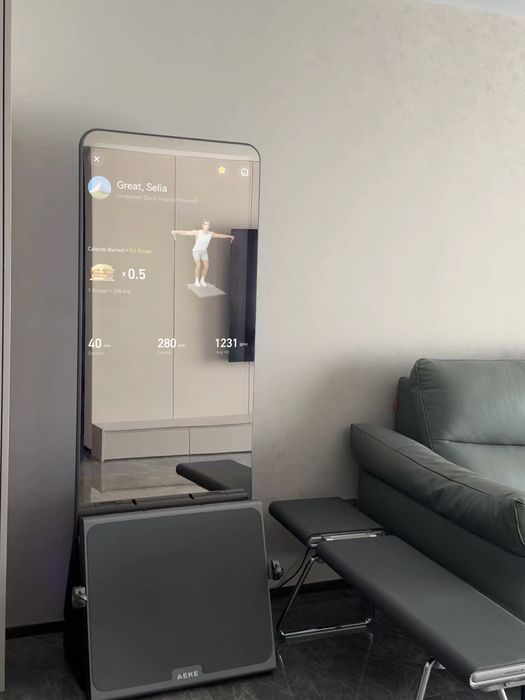
The real efficiency gain in small-space fitness comes from equipment that eliminates the need for multiple single-purpose machines. A cable resistance trainer mounted to a door frame can handle rows, chest presses, curls, and tricep extensions without occupying any floor space at all. Suspension trainers like TRX systems support over 300 exercise variations and pack into a bag when not in use. Smart stationary bikes with rotating screens bridge cardio and strength coaching in one footprint. Beyond reducing clutter, multi-functional tools cut transition time between exercises — a genuine advantage when your entire workout window is 30 minutes. Organizing these tools in a designated corner or storage caddy also creates a psychological trigger, signaling workout mode the moment you enter the space.
Building Endurance with Smart Home Fitness Solutions
Endurance isn’t just a metric for marathon runners — it’s the foundation of daily energy, cardiovascular health, and long-term physical resilience. For busy professionals, building stamina at home requires a system that’s both time-efficient and intelligent enough to push you appropriately without demanding hours on a single machine. AI-powered fitness solutions have made this not only achievable but remarkably precise, designing cardio and stamina programs that evolve alongside your improving fitness baseline.
Integrating Endurance Training into Home Routines
High-intensity interval training remains one of the most time-efficient methods for building cardiovascular endurance, and it translates exceptionally well to home environments. A 20-minute HIIT session on a connected stationary bike or smart treadmill can deliver comparable aerobic benefits to a 45-minute steady-state run — a critical advantage when your workout window is narrow. Steady-state cardio still has its place for active recovery days or lower-intensity sessions, and smart equipment makes it easy to alternate between both formats within a structured weekly plan. The key is consistency over duration: three purposeful 25-minute sessions per week outperform one long, sporadic effort.
AI-Driven Programs for Cardiovascular Health
Where AI genuinely elevates endurance training is in its ability to read your physiological response and adjust intensity on the fly. By analyzing heart rate variability, recovery speed between intervals, and cumulative training load, AI platforms like those embedded in Peloton or Wahoo systems automatically calibrate session difficulty — pushing harder when you’re recovered, pulling back when fatigue accumulates. Over time, these data-driven adjustments produce measurable improvements in VO2 max, resting heart rate, and sustained energy levels throughout the workday, turning your home cardio setup into a genuinely progressive training environment.
A Step-by-Step Guide to Creating Your AI-Powered Home Gym
Building an AI-powered home gym isn’t about spending a fortune or overhauling your living space — it’s about making deliberate choices that align your environment with your actual fitness goals. Follow these four steps to move from intention to a fully functional, intelligent training setup.
Assessing Your Space and Budget
Start by measuring your available floor area with a tape measure, noting ceiling height if you plan to do overhead movements or use a jump rope. A 6×6 foot clearing is enough for most AI-guided strength and cardio routines. Once you have your dimensions, set a realistic budget and rank your priorities: real-time coaching, cardio capability, or strength training. This ranking prevents impulse purchases and ensures your first investment delivers the most immediate value for your specific lifestyle.
Selecting the Right AI-Powered Equipment
Match your equipment to both your space constraints and your primary fitness goals. Smart mirrors work well for strength and mobility in tight rooms, while connected stationary bikes suit cardio-focused routines with minimal footprint. If hardware costs are a concern, AI fitness apps like Freeletics or Future paired with adjustable dumbbells offer a lower-cost entry point without sacrificing personalization. Check user reviews specifically for reliability of the AI coaching features, and confirm that the platform integrates with health tools you already use, such as Apple Health or Google Fit.
Setting Up and Syncing Your Devices
Position your primary equipment near a power outlet and within range of your home Wi-Fi router — a weak signal degrades real-time coaching performance noticeably. Mount any cameras or mirrors at the recommended height specified in the manufacturer’s guidelines so the AI can accurately read your full range of motion. Download the companion app, create your profile with accurate biometric data, and complete the initial fitness assessment honestly. Sync your wearable if you have one, enabling the platform to cross-reference heart rate and recovery data from day one.
Starting Your First AI-Guided Workout
Let the AI generate your first session rather than selecting one manually — this allows the algorithm to establish a baseline before you override its recommendations. During the workout, follow on-screen form cues closely even when movements feel familiar; the early sessions are calibration opportunities as much as training sessions. After finishing, log your perceived effort and any discomfort in the app’s feedback prompt. That input directly shapes your next session, accelerating the personalization process and ensuring the system adapts to you faster than any generic program ever could.
Smart Fitness at Home: Key Takeaways for Busy Professionals
Building a fitness routine that actually fits your life no longer requires a commercial gym membership, a dedicated workout room, or hours you don’t have. AI-powered home gym equipment has fundamentally changed what’s possible in a spare corner of an apartment or a 20-minute window between commitments. From adaptive training algorithms that personalize every session to compact, multi-functional tools that disappear when not in use, the barriers that once kept busy professionals from consistent exercise have largely been dismantled.
The key takeaways are straightforward: smart equipment delivers real-time coaching and progressive programming that outperforms generic plans; space-saving designs make quality training accessible regardless of your square footage; and AI-driven endurance programs build genuine cardiovascular fitness without demanding hours on a single machine. Together, these elements create a home fitness environment that’s efficient, intelligent, and sustainable.
The best moment to start is now, with whatever space and budget you have available. Measure your floor, set your priorities, and let an AI-guided system handle the programming decisions that have historically derailed self-directed training. Your fitness goals don’t require perfect conditions — they require a smart setup and the decision to begin. That setup is more accessible today than it has ever been.