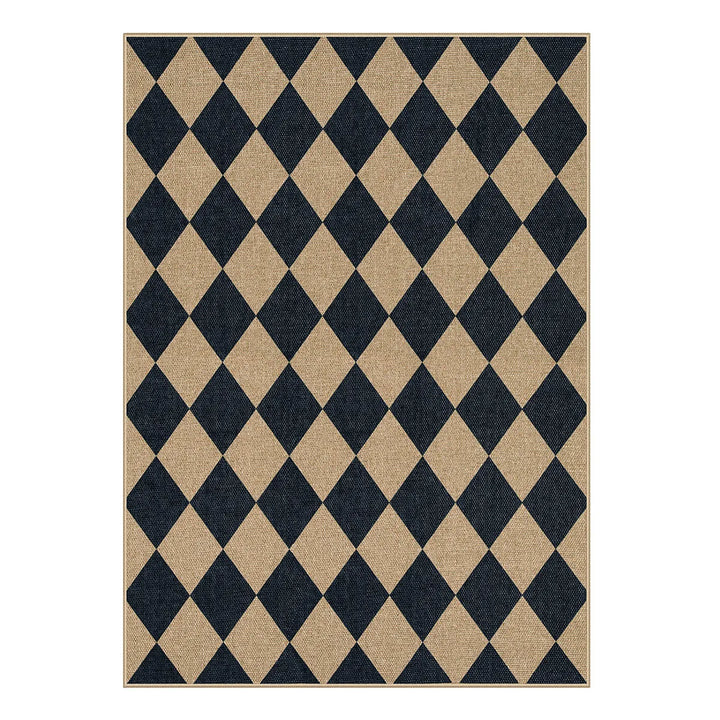
Outdoor living has transformed from a seasonal luxury into a year-round lifestyle. Homeowners are investing more than ever in patios, decks, and garden spaces — and a well-chosen rug can tie the whole look together. But there’s a frustrating reality that many discover too late: that beautiful rug you brought home in spring looks faded, frayed, or downright moldy by summer’s end. The culprit isn’t bad luck — it’s choosing the wrong rug for the demands of outdoor life.
Selecting an outdoor rug isn’t as simple as picking a pattern you love. Sun exposure, rain, humidity, and constant foot traffic create a gauntlet that most ordinary rugs simply can’t survive. The good news is that with the right knowledge, you can find options that hold up beautifully season after season. This guide walks you through everything that matters — from understanding which materials genuinely resist the elements, to identifying rugs that are easy to clean after a muddy afternoon or a spilled drink. Whether you’re outfitting a cozy balcony or a sprawling backyard patio, the goal is the same: make a smart, informed choice that delivers lasting style and durability without constant replacement headaches.
Why Durability is Essential for Outdoor Rugs
Step outside on any given day and your outdoor rug is already fighting a battle. UV rays from direct sunlight break down fibers at the molecular level, causing colors to bleach out and materials to become brittle over time. Rain and humidity introduce moisture that seeps into the weave, creating the perfect environment for mold and mildew to take hold. Then there’s the relentless grind of foot traffic — kids running through, pets scratching, patio furniture being dragged back and forth — all of which accelerates wear in ways that indoor rugs simply never experience.
The consequences of choosing a rug that can’t handle these conditions show up quickly and frustratingly. Fading is usually the first sign, with vibrant patterns turning washed-out within a single season. Next comes structural breakdown — fraying edges, flattened pile, or fibers that begin to separate from the backing. In humid climates or shaded areas where moisture lingers, black or green mold spots can appear within weeks, making the rug not just unsightly but potentially unhealthy. Many homeowners cycle through two or three cheap rugs per year without realizing that the upfront savings are costing them far more in replacements.
Investing in a genuinely durable outdoor rug changes that equation entirely. A high-quality rug rated for outdoor conditions can realistically last three to five years or longer, even with heavy use. Beyond the financial benefit, durability preserves the aesthetic value of your outdoor space — colors stay rich, edges stay clean, and the rug continues to anchor your furniture arrangement the way it was intended. Durability isn’t just a technical specification; it’s the foundation of a functional, attractive outdoor living space that you can actually enjoy rather than constantly maintain or replace.
Key Factors to Consider for Weather-Resistant Rugs
Not all outdoor rugs are created equal, and the difference between one that lasts a single season and one that holds up for years comes down to a handful of critical factors. Before you commit to any purchase, it’s worth understanding what actually makes a rug capable of handling the outdoors — because marketing language like “outdoor-friendly” doesn’t always translate to genuine durability.
Construction quality is your first checkpoint. A tightly woven rug resists moisture penetration far better than a loosely constructed one, and flat-weave designs tend to outperform high-pile options outdoors because they dry faster and give mold fewer places to hide. Look at the backing as well — a non-slip, moisture-resistant backing not only keeps the rug in place but also prevents water from pooling underneath and accelerating deterioration from below.
UV resistance is non-negotiable for any rug placed in direct sunlight. Fibers that lack UV stabilization will begin fading within weeks of sun exposure, regardless of how vibrant they looked in the store. Quality outdoor rugs use solution-dyed fibers, where color is locked into the material during manufacturing rather than applied as a surface treatment. This process makes the color far more resistant to bleaching because there’s no surface dye to strip away.
Water resistance works alongside UV protection to define a rug’s outdoor viability. A truly weather-resistant rug sheds water quickly rather than absorbing it, which dramatically reduces drying time and limits mold growth. This property ties directly to material choice.
Material Types for Optimal Weather Resistance
Polypropylene is the gold standard for outdoor rugs and for good reason. It’s inherently water-resistant, resists staining, and holds up exceptionally well under UV exposure when solution-dyed — making it the most practical choice for high-traffic areas or spots exposed to full sun and rain. Brands like Lahome have built their outdoor rug collections around solution-dyed polypropylene construction precisely because it delivers consistent performance across climates and use cases. Polyester offers a softer feel and good color retention but absorbs slightly more moisture than polypropylene, making it better suited to covered patios or drier climates. Natural fibers like jute, sisal, and seagrass bring undeniable texture and organic beauty, but they absorb moisture readily and are prone to mildew in humid environments — best reserved for sheltered, dry spaces with minimal direct weather exposure. Recycled plastic fibers, increasingly common in eco-conscious lines, combine the durability of synthetic materials with sustainability credentials and perform comparably to polypropylene in most outdoor conditions.
Selecting Washable Patio Rugs for Easy Cleaning
Durability means little if your outdoor rug becomes a maintenance nightmare after every rainstorm or backyard cookout. Cleanability is a practical necessity that often gets overlooked in favor of aesthetics — yet it directly determines how long a rug stays looking good and how much effort you’ll spend keeping it that way. The best washable patio rugs are designed with this reality in mind, combining stain-resistant surfaces with construction that holds up to repeated cleaning without falling apart.
Stain resistance starts at the fiber level. Solution-dyed polypropylene and recycled plastic rugs repel most spills on contact, allowing liquids to bead up and wipe away before they penetrate the weave. When shopping, look specifically for rugs labeled stain-resistant or treated with a protective coating — these will forgive the inevitable spilled wine, muddy paw print, or dropped condiment far more graciously than untreated alternatives. Avoid rugs with thick, high-pile construction outdoors, as debris and moisture become trapped deep in the fibers and require significantly more effort to remove.
Machine-washable options have become increasingly available and represent a genuine convenience upgrade for smaller rugs used on balconies, porches, or entryways. Before purchasing, confirm the manufacturer’s cleaning instructions — a rug marketed as “easy to clean” may still require hand-washing or hose-down methods rather than machine washing. For larger patio rugs that won’t fit in a standard machine, flat-weave designs are your best ally: a garden hose, mild soap, and a soft brush are typically all you need, and the rug dries completely within hours rather than days.
One often-overlooked cleaning consideration is the backing. A perforated or open-weave backing allows water to drain through during cleaning and drying, preventing the moisture buildup that leads to mildew underneath. Pair this with a habit of occasionally lifting and airing out the rug, and your washable patio rug will stay fresh, clean, and presentable through seasons of heavy use.
Step-by-Step Guide to Choosing the Best Durable Outdoor Rug
Armed with the right knowledge, choosing a durable outdoor rug becomes a straightforward process rather than a guessing game. Working through a few deliberate steps before purchasing will save you money, frustration, and the hassle of premature replacement.
Start by assessing your specific outdoor space. Measure the area carefully — a rug that’s too small looks awkward and gets displaced easily, while one that’s too large can trap moisture along covered edges. Beyond size, consider your traffic patterns. A high-traffic zone like a main patio entrance demands a denser, tighter weave than a quiet reading corner. Note how much direct sun and rain exposure the spot receives, since a fully exposed deck requires stricter weather-resistance standards than a covered porch.
Next, set a realistic budget with longevity in mind. A quality outdoor rug costs more upfront but typically lasts three to five times longer than a budget alternative. When comparing price points, factor in replacement frequency — two or three cheap rugs over five years almost always costs more than one well-made option purchased once.
With your space and budget defined, compare materials based on your specific conditions. For full sun and rain exposure, solution-dyed polypropylene or recycled plastic fibers are your strongest choices. Covered patios with moderate traffic can accommodate polyester for a softer feel. Reserve natural fibers exclusively for sheltered, low-humidity settings where moisture exposure is minimal.
Before finalizing any purchase, check for certifications and performance claims that carry real weight. Look for rugs explicitly labeled as solution-dyed, UV-stabilized, or fade-resistant — these are manufacturing standards, not just marketing phrases. A rug certified for outdoor use by the manufacturer carries more credibility than vague “outdoor-friendly” language.
Finally, read verified customer reviews with a focus on long-term feedback. Reviews from users who have owned the rug through multiple seasons reveal how it actually holds up — look specifically for comments on fading, edge fraying, and ease of cleaning after extended use. This real-world evidence is often more reliable than any product description.
Making a Smart Investment in Your Outdoor Space
Choosing the right outdoor rug is ultimately about understanding what you’re asking it to endure — and selecting a product genuinely built to meet those demands. The key takeaways from this guide reinforce one another: durability starts with material and construction, weather-resistance prevents the fading, mold, and structural breakdown that cut so many rugs short, and washability ensures your investment stays looking its best without becoming a chore to maintain. These aren’t separate considerations — they’re interconnected qualities that define whether a rug earns its place in your outdoor space or ends up in a landfill after a single season.
The process doesn’t have to be complicated. Assess your space honestly, match your material choice to your actual climate and traffic conditions, prioritize solution-dyed and UV-stabilized construction, and verify your decision with real customer feedback. Apply these steps consistently and you’ll sidestep the cycle of cheap replacements that costs more in the long run than a single quality purchase.
Your outdoor space deserves the same thoughtful investment as any room inside your home. With the right rug anchoring your patio or deck, you gain more than style — you gain a surface that holds up through seasons of sun, rain, and daily life, letting you focus on enjoying the space rather than maintaining it. Use this guide as your starting point, and you’ll make a choice you won’t regret.