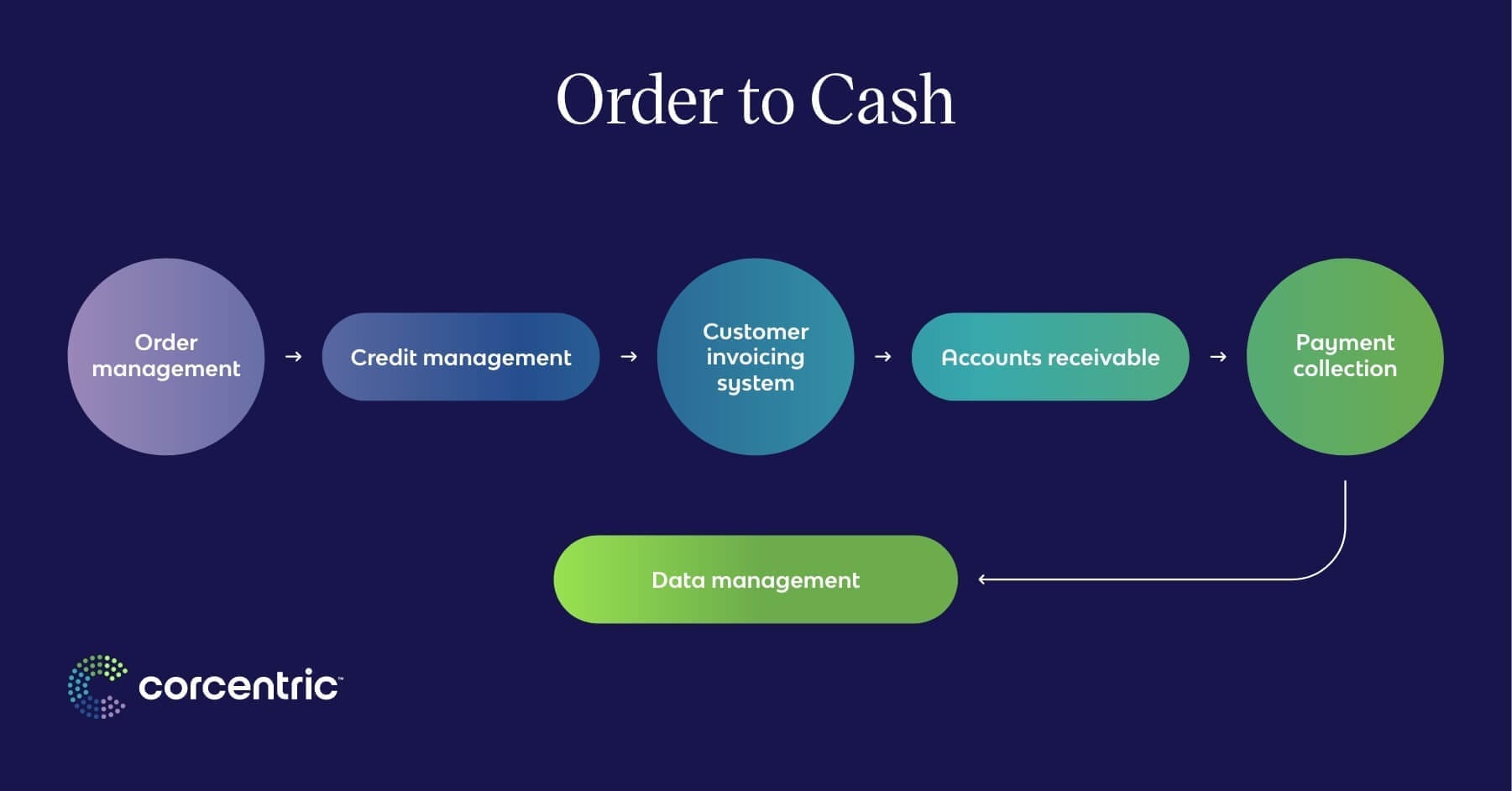
Digitizing the order-to-cash cycle in field sales has been prioritised because cash is often trapped after the order is taken. When digitizing the order-to-cash cycle is done end to end, fewer disputes are created and faster collections are enabled. As a result, every order can be traced from booking to bank credit.
Why Order‑to‑Cash Fails on the Ground
In many territories, orders are still written, called in, or retyped later. Then, wrong SKUs, wrong quantities, and old prices are captured. Invoices are delayed or are issued with mismatched details. Consequently, disputes are raised and collections are pushed out.
The impact has been measured in finance workflows. About 39% of invoices contain errors in widely shared benchmarks, and manual invoice handling has been quoted at roughly $15 per invoice on average. When errors are corrected, time is consumed and cash is delayed.
Mobile Order Booking: Fewer Mistakes at Source
Accuracy is improved when mobile order booking is done at the shop. A catalog is shown, price rules are applied, and items are validated before submission. Because data is entered once, re-entry mistakes are reduced.
When the same flow is linked to a field sales CRM, customer context is kept. Last orders, pending claims, and due amounts can be viewed during the visit. Therefore, the next action is chosen faster, and follow-ups are not missed.
Clean Invoices and Proof: Disputes Are Reduced
Collections are slowed by missing paperwork more often than by refusal to pay. So, invoicing should be connected to the approved order. When the invoice is generated from the same data, mismatch risk is reduced. Then, proof is stored through delivery photos, signatures, and timestamps.
Invoice accuracy benchmarks have shown that best performers can stay under a 1% error rate. When that level is approached, fewer credit notes are issued and fewer days are wasted on reconciliation.
Faster Collections with Digital Payments and Tracking
Payment behaviour has shifted. Retail digital payments in India were reported to have grown from 162 crore transactions in FY 2012–13 to 16,416 crore in FY 2023–24. This scale has made QR and link-based payments normal at the counter.
UPI has been described as driving 84% of India’s digital retail payments while processing 20+ billion transactions each month. Therefore, collection links, UPI QRs, and instant receipts can be used to reduce the gap between delivery and collection.
Still, one question keeps returning: What slows down collections when the customer is willing to pay? The answer is usually inconsistency. So, collection tracking should be system-led. Reminders can be scheduled, partial payments can be logged, and the next visit can be planned by aging.
Working Capital Gains: DSO Is Pulled Down
DSO is influenced by field execution. In a 2026 survey of finance leaders, 80% rated AR automation as important to critical, while 78% said inefficient AR causes poor cash flow or high DSO. Average DSO was often reported in the 30–60 day range. Those days are where growth capital gets locked.
Manual work was also flagged as a top challenge across invoicing, collections, and reporting. When a single workflow is used, the “missing step” problem is reduced and cash forecasting is improved.
What to Digitise First (Without Overwhelm)
A full transformation is not required on day one. However, a practical sequence is recommended.
First, order & collection should be digitised together. Then, the ledger should be kept live so overdue risk is seen early. Next, visit proof should be captured with geo fencing, so customer interactions are verified. After that, costs should be controlled with expense management, so profit is protected. In parallel, discipline can be reinforced through remote attendance, so activity proof is captured without extra paperwork.
When these pieces are rolled into sales reporting, branch-wise visibility is created. The pipeline, billed value, collections, and outstanding can be reviewed daily.
Questions That Show Real Improvement
These questions can be used each week:
- Which orders were edited after submission, and why?
- Which invoices entered dispute within seven days?
- Which customers pay faster when a UPI link is shared?
With one view, tasks can be assigned, and a tour plan can be adjusted around risk. Then, performance analysis can be tied to both sales and cash, not only to visits.
Where a Unified Field App Helps
Complex tool stacks are often resisted in the field. A single workspace is usually adopted instead. When orders, follow-ups, and payments are kept together inside a field sales CRM, fewer handoffs are needed.
In that role, Twib can be used quietly as the operating layer. mobile order booking, order & collection, sales reporting, and collection tracking are kept in one flow. Also, remote attendance can be paired with incentives, and expense management can be controlled in the same app. With geo fencing, the day’s work is verified, and with performance analysis, coaching is made easier. A smarter tour plan can be built from real outcomes, not assumptions.
Closing Thoughts
Fewer errors and faster collections are rarely achieved by more reminders alone. They are achieved when digitizing the order-to-cash cycle is treated as one connected process. When clean orders are captured, clean invoices are issued, and payments are tracked, cash gets collected sooner.
If spreadsheets, chats, and paper receipts are still being used, a simpler switch can be made. Twib can be explored to run the full cycle—orders to collections—with less rework and quicker cash, starting this month.