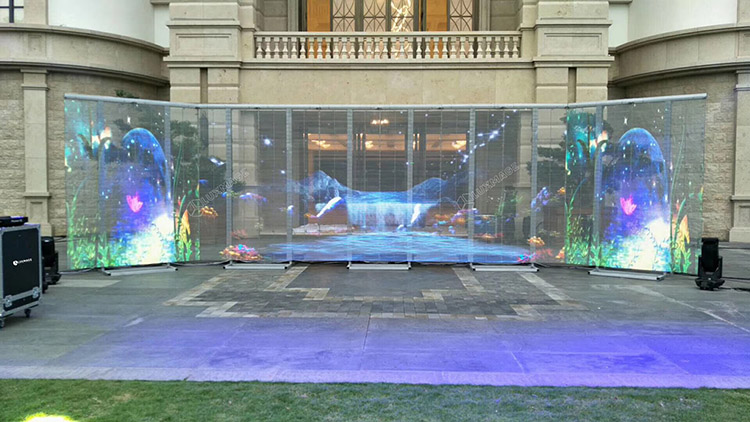
Outdoor advertising has never been more competitive. For small to medium-sized businesses, cutting through the visual noise of busy streets, shopping districts, and commercial zones is a genuine challenge — traditional static signs and even conventional digital billboards often blend into the background. The question isn’t just how to be seen, but how to be seen in a way that feels modern, purposeful, and memorable.
Transparent LED screens are changing that equation. Unlike standard displays, a transparent LED screen lets light pass through while delivering vivid, dynamic content — meaning your advertising works without blocking storefront views, natural light, or architectural character. The result is a display that feels like part of the environment rather than an intrusion on it.
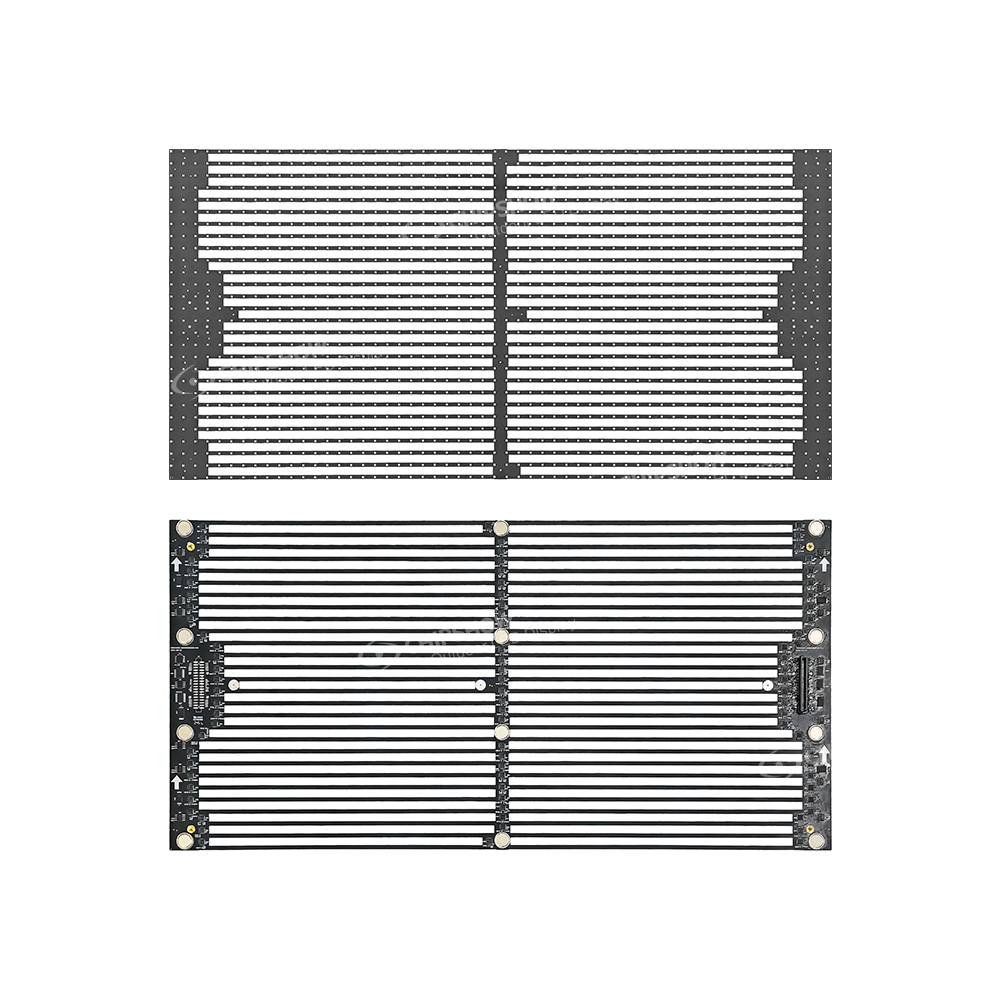
This guide is designed to help business owners make confident, informed decisions about adopting transparent LED display technology for outdoor use. From understanding core benefits and evaluating technical specifications to navigating installation and long-term maintenance, each section offers practical direction. Whether you’re exploring this technology for the first time or comparing options before a purchase, you’ll find the clarity you need to move forward effectively.
Understanding the Benefits of Transparent LED Displays for Outdoor Advertising
When businesses invest in outdoor advertising, they’re not just buying screen space — they’re competing for attention in environments already saturated with visual stimulation. Transparent LED displays offer a fundamentally different approach. By allowing light to pass through the panel while still projecting sharp, dynamic content, a transparent LED display works with its surroundings rather than against them. Retailers, hotels, and commercial property owners are increasingly adopting high transparency LED technology precisely because it delivers impact without the visual heaviness of conventional signage.
Enhanced Visibility and Aesthetic Appeal
One of the most immediate advantages of high transparency LED panels is that they preserve what’s behind them. A storefront window fitted with a transparent screen continues to display merchandise and invite natural light inside, while simultaneously running promotional content visible to passersby. This dual function reduces visual clutter and integrates seamlessly with architectural designs — particularly in glass-facade buildings where conventional signage would feel intrusive or obstruct the structure’s character. Daylight visibility is strong enough to maintain content clarity without overwhelming the surrounding environment.
Durability and Energy Efficiency in Outdoor Settings
Outdoor LED screens face relentless exposure to sun, rain, wind, and temperature swings. Quality transparent displays are engineered with weather-resistant enclosures and robust components that sustain performance across seasons. Beyond physical durability, energy efficiency is a meaningful advantage — transparent LED panels typically consume significantly less power than conventional billboard-style displays of comparable size. For businesses running content around the clock, that reduction in operational energy costs compounds into real long-term savings, making the investment easier to justify financially.
Flexibility and Content Management
Modern transparent LED displays support remote content management, meaning business owners can update promotions, announcements, or seasonal campaigns from any internet-connected device without on-site intervention. This flexibility extends to scalability — displays can be configured in modular arrangements to fit irregular spaces or expanded as advertising needs grow. Interactive features, including motion-triggered content and real-time data integration, further enhance engagement. For small to medium-sized businesses, this level of control over messaging without recurring printing or installation costs represents a genuine operational advantage.
How to Choose the Right Mesh LED Display for Your Advertising Needs
Selecting the right display isn’t simply a matter of picking the largest or brightest option available. Mesh LED displays occupy a specific niche within the broader transparent screen category — their open-grid construction allows exceptional airflow and reduces wind load, making them particularly well-suited for large outdoor facades and elevated installations. But matching a mesh LED display to your actual advertising context requires evaluating several interdependent factors, from transparency ratio to pixel pitch to local environmental conditions. Custom LED solutions add another layer of flexibility, allowing businesses to specify dimensions, mounting configurations, and content systems that align precisely with their operational setup.
Assessing Business Requirements and Budget
Before comparing technical specifications, clarify what the display needs to accomplish. A retail storefront promoting daily offers has different requirements than a hotel facade running brand imagery. Define your primary advertising goals, identify the viewing distance and audience flow at your location, and establish a realistic budget that accounts for installation, content management software, and ongoing maintenance — not just the screen itself. Aligning these factors early prevents costly mismatches between the display’s capabilities and your actual business objectives.
Key Technical Specifications to Evaluate
Transparency level — typically expressed as a percentage — directly affects how much of the background environment remains visible. For storefront applications, 70–85% transparency is a common target. Brightness, measured in nits, should be sufficient for direct sunlight exposure; outdoor installations generally require 5,000 nits or higher for reliable daytime visibility. Pixel pitch determines content resolution at your specific viewing distance — tighter pitches suit closer audiences, while wider pitches work for displays viewed from across a street or plaza. Confirm IP ratings for weather resistance before finalizing any specification.
Comparing Mesh LED with Other Outdoor Display Options
Conventional solid-panel LED screens deliver higher pixel density but add significant structural weight and block airflow entirely — a real constraint on building facades with wind-load restrictions. Mesh LED displays reduce that load considerably while maintaining strong visual impact at typical outdoor viewing distances. Their lightweight construction also simplifies mounting and can lower installation costs. For businesses prioritizing architectural integration and structural practicality over maximum resolution, mesh displays offer a compelling advantage over standard outdoor LED alternatives.
Step-by-Step Guide to Implementing Custom LED Solutions
Even the most capable transparent LED display delivers limited value if the implementation process is poorly managed. Moving from concept to live installation involves coordinated decisions across site assessment, vendor selection, and technical integration. Custom LED solutions give businesses the ability to tailor every aspect of the display — dimensions, mounting style, content system, and operational controls — to their specific environment and advertising goals. Following a structured process reduces the risk of costly surprises and ensures the final installation performs as intended from day one.
Planning and Site Assessment Phase
Start by measuring the exact installation space, including height, width, and any structural irregularities that could affect mounting. Verify available power supply capacity and identify where cabling will route without disrupting operations or aesthetics. Assess environmental factors specific to your location — prevailing wind direction, sun exposure throughout the day, and proximity to water or coastal air — as these directly influence which display specifications and enclosure ratings you’ll need. Document everything before approaching vendors.
Selecting a Vendor and Customization Options
Research suppliers with demonstrated experience in outdoor transparent and mesh LED installations, and request references from comparable projects. Manufacturers such as Chipshow LED, which specialize in transparent and mesh display systems, can serve as a useful benchmark when evaluating what experienced suppliers typically offer in terms of customization depth and technical support. When soliciting quotes, provide your site assessment data so vendors can propose specifications matched to your actual conditions rather than generic configurations. Discuss customization options including panel dimensions, transparency percentage, brightness levels, and content management software compatibility. Confirm warranty terms, post-installation support availability, and lead times before committing to any supplier.
Installation and Integration Process
Professional installation begins with structural verification — confirming that mounting surfaces can bear the display’s load under wind and weather stress. Electrical connections should comply with local codes, and grounding must be properly established to protect equipment. Once mounted, integrate the display with your existing content management or advertising systems, run a full operational test across different brightness settings and content formats, and train relevant staff on daily operation and basic troubleshooting before the display goes live.
Maintenance and Long-Term Considerations for Outdoor LED Screens
Purchasing and installing an outdoor LED screen is only the beginning. Sustained performance over years of continuous operation depends on consistent maintenance practices, appropriate environmental protection, and a clear-eyed assessment of whether the investment is delivering measurable returns. Businesses that treat their display as a set-and-forget asset typically encounter preventable failures and escalating repair costs. A proactive approach to upkeep not only extends the screen’s operational lifespan but preserves image quality and reliability — both of which directly affect advertising effectiveness.
Regular Maintenance and Troubleshooting
Schedule routine inspections every one to three months, checking for dead pixels, loose connections, and signs of moisture ingress. Clean panel surfaces with manufacturer-approved materials to avoid damaging coatings. Monitor brightness calibration periodically, as output can drift over time. Keep firmware and content management software updated to prevent compatibility issues. Document any anomalies promptly — early identification of failing components reduces downtime and repair costs significantly compared to reactive fixes after full failures occur.
Weatherproofing and Environmental Adaptations
Even displays rated for outdoor use benefit from additional protective measures tailored to local conditions. In coastal environments, inspect enclosure seals more frequently for salt-air corrosion. In regions with extreme temperature swings, verify that thermal management systems — fans or passive ventilation — are functioning correctly each season. After severe weather events, conduct a full visual and operational check before resuming normal content playback. Proactive weatherproofing maintenance prevents environmental exposure from compounding into structural or electronic damage.
Evaluating Cost-Benefit and Return on Investment
Track advertising performance metrics — foot traffic changes, promotional redemption rates, or direct customer feedback — against your total operational costs, including energy, maintenance, and content management. Compare these figures against what equivalent traditional advertising would cost over the same period. This framework gives you a concrete basis for assessing ROI and justifying continued or expanded investment in transparent LED display technology.
Making the Right Investment in Transparent LED Technology
Transparent LED screens represent a genuine shift in what outdoor advertising can accomplish. Rather than adding more visual noise to already crowded commercial environments, they offer businesses a way to communicate dynamically while preserving the character of their space. For small to medium-sized businesses, that combination of impact and integration is difficult to achieve through any other medium.
The decisions that determine success — choosing the right transparency level, pixel pitch, and weather rating; selecting a vendor with relevant experience; building a maintenance routine into your operational plan — are all manageable when approached methodically. This guide has walked through each of those stages to give you a practical foundation rather than a list of abstract considerations.
The next step is applying that foundation to your specific situation. Every installation context is different, and the details of your location, audience, and advertising goals will shape which specifications and configurations make the most sense. Consulting with an experienced supplier who can assess your site directly will sharpen those decisions considerably. Informed choices made early in the process pay dividends across the entire lifespan of the display — in performance, reliability, and the returns your advertising investment actually delivers.