Introduction
The electronics world is changing fast, and industries now need smaller, lighter, and more reliable circuit solutions than ever before. This is where the debate of rigid flex PCB vs traditional circuit boards becomes very important. A rigid flex PCB combines rigid and flexible layers into one unified structure, allowing engineers to design compact systems with better performance. Many modern devices, from aerospace systems to medical tools, now depend on this advanced technology because it reduces space while improving durability and signal performance.
On the other hand, traditional printed circuit boards have been the backbone of electronics for decades. They are still widely used in many industries due to their simplicity and lower initial cost. However, as products become more advanced, companies like FastTurn PCB are helping industries transition toward smarter solutions such as rigid flex PCB manufacturing. This article will help you understand the key differences, benefits, and real-world applications so you can decide which option works better for your industry needs.
What is a Rigid Flex PCB and How It Works
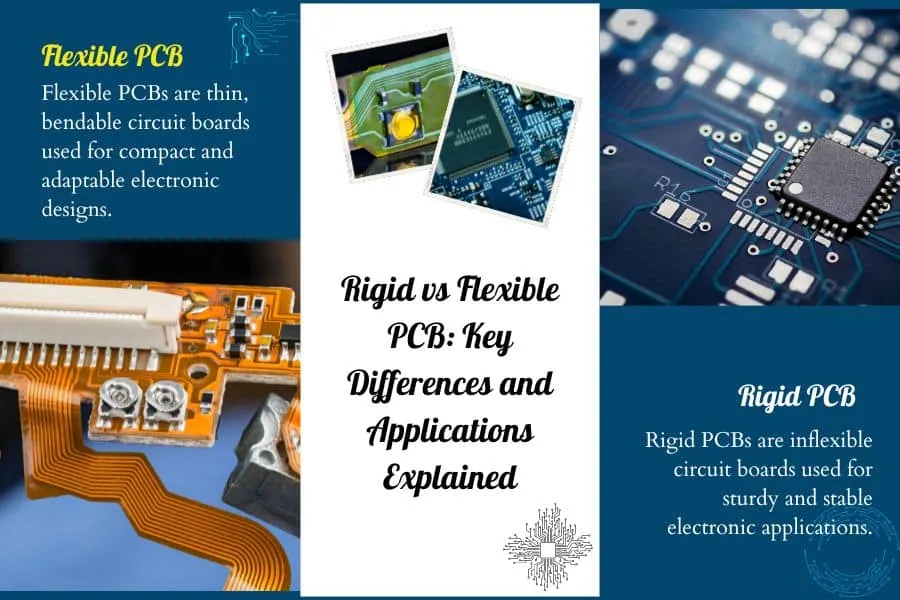
A rigid flex PCB is a hybrid circuit board that combines rigid sections with flexible circuits in a single integrated design. The rigid parts provide stability for components, while the flexible parts allow bending and folding without damaging the circuit. This design eliminates the need for multiple connectors and cables, making the system more compact and reliable. In industries where space and performance matter, rigid flex PCB technology is becoming a preferred choice for engineers and designers.
The working principle behind a rigid flex PCB is based on layered construction using flexible polyimide materials and rigid fiberglass sections. These layers are laminated together to form a single interconnected board that can move and adapt to tight spaces. Companies like FastTurn PCB specialize in producing high-quality rigid flex PCB solutions that meet strict industry standards. This makes it ideal for aerospace, military, automotive electronics, and medical devices where reliability and precision are critical.
Traditional PCB Boards Overview and Common Uses
Traditional PCB boards are made from rigid materials like FR4 fiberglass, which do not bend or flex. These boards are designed for stable environments where movement or vibration is minimal. They are widely used in consumer electronics such as TVs, computers, and household appliances. Because they are easier to manufacture, traditional boards are often more affordable and suitable for mass production projects with simpler design requirements.
Even though traditional PCBs are reliable and cost-effective, they come with limitations in modern applications. As devices become smaller and more complex, using multiple rigid boards connected by cables increases the risk of failure. This is where rigid flex PCB solutions offered by FastTurn PCB provide a more advanced alternative. However, traditional boards still remain important in industries where flexibility is not required and cost efficiency is the main priority.
Key Differences Between Rigid Flex PCB and Traditional Boards
The biggest difference between rigid flex PCB and traditional boards lies in their structure and functionality. A rigid flex PCB integrates both rigid and flexible sections into one continuous design, while traditional boards are fully rigid and require connectors and wiring to link multiple parts. This difference significantly impacts space usage, weight, and long-term reliability in electronic systems. Rigid flex PCB designs are especially useful in compact devices where every millimeter matters.
Another important difference is performance under stress and movement. Traditional boards are more likely to fail in environments with vibration or repeated movement because of their fixed structure and solder joints. In contrast, rigid flex PCB technology is designed to handle dynamic conditions without breaking connections. FastTurn PCB helps industries adopt these advanced solutions to improve product durability, reduce assembly complexity, and enhance overall system performance in demanding applications.
Advantages of Rigid Flex PCB in Modern Electronics
One of the biggest advantages of rigid flex PCB technology is space optimization. By removing the need for connectors and cables between multiple boards, designers can create much smaller and lighter electronic devices. This is extremely important in industries like aerospace and medical technology, where space is limited and every gram of weight matters. A rigid flex PCB allows engineers to design more efficient layouts without compromising performance or reliability.
Another key benefit is improved signal integrity and reduced failure risk. Since a rigid flex PCB has fewer connection points, there is less chance of signal loss or mechanical failure over time. This makes it ideal for high-performance systems that require stable and accurate data transmission. FastTurn PCB provides advanced manufacturing solutions that ensure each rigid flex PCB meets strict quality standards, helping industries achieve better durability, efficiency, and long-term performance in their electronic products.
Manufacturing Process and Role of FastTurn PCB Services
The manufacturing process of a rigid flex PCB involves multiple advanced steps, including material selection, layering, lamination, and precise circuit etching. Flexible polyimide layers are carefully combined with rigid fiberglass sections to create a single integrated board. This process requires high accuracy because even a small error can affect performance. Modern PCB fabrication techniques ensure that the final product can withstand bending, heat, and mechanical stress.
FastTurn PCB plays a major role in delivering high-quality rigid flex PCB solutions with fast turnaround times. Their expertise in PCB fabrication helps industries reduce production delays while maintaining strict quality control. By using advanced equipment and testing methods, FastTurn PCB ensures that every board meets industry standards for reliability and performance. This makes them a trusted partner for companies that need fast, efficient, and durable PCB solutions for complex electronic applications.
Conclusion
When comparing rigid flex PCB and traditional boards, it becomes clear that both have their place in the electronics industry. Traditional PCBs are still useful for simple and cost-sensitive applications, but they lack the flexibility and advanced performance required in modern compact systems. As technology continues to evolve, industries are moving toward more integrated and efficient designs that can handle complex demands without increasing size or weight.
A rigid flex PCB offers clear advantages in terms of durability, space-saving design, and signal performance, making it the preferred choice for advanced industries like aerospace, healthcare, and automotive systems. With companies like FastTurn PCB providing high-quality manufacturing services, businesses can easily adopt this modern solution. In the long run, rigid flex PCB technology is proving to be a smarter and more reliable option for industries aiming for innovation and long-term success.