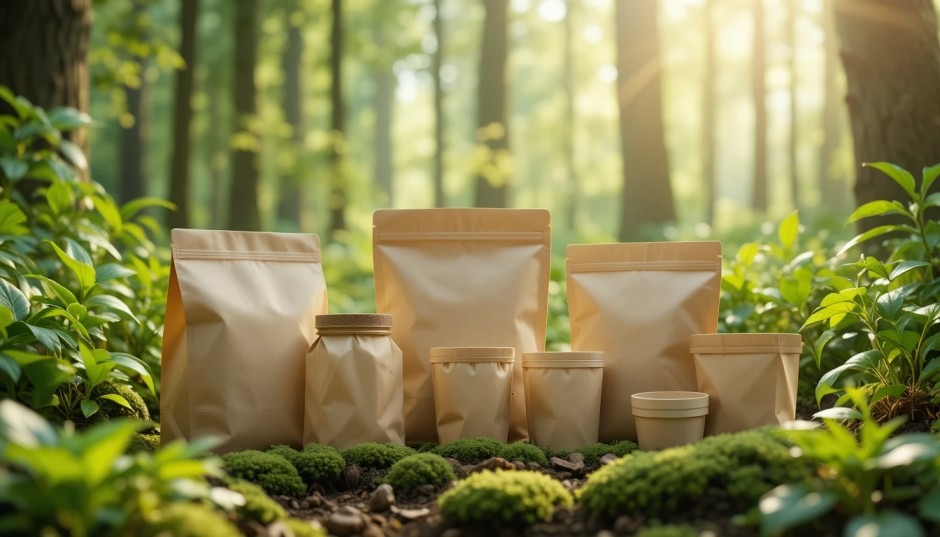
When strolling through a store aisle today or opening an online order, the most likely thing to notice is a major shift in products’ packaging methods and materials used. Companies across the planet are now ditching conventional plastics in favor of biodegradable, recyclable and reusable substances. The process helps them cut their environmental footprint and attracts an increasing number of environmentally conscious buyers.
Be mindful of the possible long-term environmental and financial benefits when you choose sustainable materials. There are huge benefits in brand loyalty, cost savings, and even compliance in some industries. We will look at precisely what industries will profit most from eco-friendly packaging services, and how these changes will reshape the process of buying and selling products.
Introduction to Eco-Friendly Packaging
What Is Eco-Friendly Packaging?
Eco-friendly packaging uses materials and manufacturing methods that are minimally impactful on energy use and ecosystems. It consists of plant-based packing ‘peanuts’ and biodegradable plastics, and corrugated “bubble wrap”. Recyclable cardboard is another essential part of ecologically friendly packaging. It must be safe for people to use but also durable and when no longer needed, it will either dissolve naturally or can easily be remade into something else.
When dumps overflow and pollution is everywhere, the communities involved start thinking anew about waste management. One-time-use plastics take 100’s of years to decompose, as a result, also sending toxic microplastics into both our soils and water supply.
In the world of eco-friendly packaging, options such as these have the potential to help break this bottleneck. For businesses that have adopted greener packaging methods, not only do they make a direct contribution to combating the crisis itself. They also take their position as socially responsible corporations, which in turn wins them trust and respect from contemporary consumers everywhere.
Market Growth and Consumer Demand
Latest Statistics on Sustainable Packaging
The demand for green packaging solutions grows day by day. Industry reports forecast that the global sustainable packaging market will be worth hundreds of billions of dollars over the next decade. In 2025 or 2030, Major corporations promise to make 100% of their packaging either recyclable or compostable. This has driven new forms of energy innovation and lower costs for smaller businesses using green materials like biomass pellets, for instance.
Changing Consumer Behavior
Consumers are actively seeking out eco-friendly brands. To many, green items are worth the premium one must pay for them, but when a customer receives a package stuffed with styrofoam peanuts, that customer’s idea of the brand sinks. In contrast, if each unboxing is clean and compostable, this will instinctively create a perceptible lasting relationship for people who engage in return business.
Food and Beverage Industry
Why This Sector Leads Adoption
The food and beverage industry produces a huge amount of waste every day through cups, wrappers and take-out containers. Since consumers use these products on a daily basis The demand to change is particularly strong here. Food and restaurant establishments make use of compostable bowls, straws made of paper and biodegradable wrappers to drastically reduce everyday landfill waste.
Key Benefits for Brands
Food businesses that use sustainable packaging methods often see rapid increases in loyalty to customers. Cafes that serve coffee in cups that compost attract customers who are looking to enjoy their coffee without a sense of environmental responsibility. In addition, many cities have banned single-use plastics. Therefore, the use of sustainable packaging helps food companies stay in compliance with local regulations.
E-commerce and Retail Industry
Packaging Waste Challenges
The online shopping experience creates mountains of plastic mailing boxes, cardboard and bubble wrap. The smallest of items often comes in a huge container stuffed with plastic pillows. The over-packaging of products frustrates customers and creates logistical problems for recycling centers located in local areas.
Sustainable Solutions in Online Shopping
Online retailers and independent sellers are now using right-sized packaging algorithms to cut down on unnecessary space. They substitute the plastic tape with a water-activated tape and switch corrugated and bubble wraps for wrapped cardboard that is corrugated. These modifications reduce the weight of shipping, reduce the cost of freight and create a pleasant unboxing experience for the buyer.
Cosmetics and Personal Care Industry
Branding Through Sustainability
Beauty brands are based on the aesthetics of their brand and its identity. Customers who purchase organic, natural skincare products expect the exterior packaging to reflect the inside. Offering a vegan, clean face cream inside a large plastic container creates a gap. Companies are now using bamboo, glass and recycled paperboard in order to align their products’ physical appearance with their ethical message.
Consumer Expectations
The people who love makeup and skincare inform themselves about ingredient sources and the waste of packaging. They are drawn to brands that have refillable cosmetics and zero-waste shampoo bars. Through the adoption of environmentally sustainable packaging, cosmetics brands can meet the high standards and make a mark in an over-saturated market.
Pharmaceutical and Healthcare Industry
Safety Meets Sustainability
Healthcare professionals face a unique problem. Medical products require sterilized, sealed, tamper-proof packaging to ensure the safety of patients. In the past, it was necessary to rely extensively on virgin materials. Nowadays, companies are finding ways to make use of recycled PET bio-based plastics that adhere to the highest standards of hygiene while also reducing the environmental impact.
Regulatory Influence
The government is constantly updating waste regulations and the pharmaceutical industry is required to change quickly. Bio-friendly packaging allows medical companies to keep up-to-date with the legal changes. In transitioning to recyclable blister packs as well as paper-based instruction, companies can avoid costly fines and can streamline their supply chain.
Electronics Industry
Reducing Environmental Footprint
Tech companies ship delicate, expensive and expensive items that need the most rigorous protection. The past was when this involved heavy Styrofoam blocks. Styrofoam can be a nightmare to reuse and occupies huge quantities in landfill. The electronics industry is now looking for ways to safeguard devices that do not harm the environment.
Innovative Protective Packaging
Manufacturers use the molded pulp that is made from recycled newspapers to support laptops, televisions, and smartphones. Mycelium packaging – created by the growth of mushrooms in agricultural waste — provides an eco-friendly alternative to foam. They are able to absorb shocks with ease and can be tossed into your compost bin.
Fashion and Apparel Industry
Sustainable Branding Trends
The fashion industry is under severe scrutiny over its impact on the environment. “Fast fashion” creates immense garment waste. The plastic bags used to transport garments only contribute to the issue. Fashion companies that are seeking to create sustainability must get rid of these plastic bags made of clear plastic.
Packaging as a Marketing Tool
Explore sustainable packaging companies that are using corn starch to make clothes packaging type mailers that are compostable now. Certain brands have their own fabric bags, which are reusable and designed in accordance with the requirements of environmental protection circuits, like what is now referred to as zero waste. This makes the packaging, once a product is purchased, serve also as a promotional tool for itself, thereby keeping the brand inside her home even longer than its original purchase date.
Agriculture and Fresh Produce Industry
Eco Packaging for Perishables
Indeed, farmers and grocers need packaging that will keep fruits and vegetables fresh on their journey to homes. The produce aisle is dominated by plastic clamshells, but new alternatives are taking root. Plant-based plastics and recycled cardboard trays have excellent air-flow qualities for delicate items such as berries and tomatoes, while also giving pretty good protection.
Waste Reduction Benefits
The use of sustainable, breathable packaging extends the shelf life of specific foods and reduces food waste in the supermarket. If the packaging is at an end point in its usefulness, it can be composted along with food waste and create a complete circular economy.
Comparison Table of Industry Benefits
| Industry | Primary Benefit of Eco-Packaging | Common Sustainable Material |
| Food & Beverage | Regulatory compliance, brand trust | Compostable paper, PLA bioplastics |
| E-commerce | Lower shipping weights, less waste | Corrugated cardboard, paper tape |
| Cosmetics | Enhanced brand alignment | Bamboo, glass, refillable metal |
| Pharmaceuticals | Future-proofing against regulations | Recycled PET, paperboard |
| Electronics | Safe transport without styrofoam | Molded pulp, mushroom foam |
| Fashion | Improved unboxing experience | Compostable mailers, reusable bags |
| Agriculture | Extended produce shelf life | Breathable bio-plastics, molded trays |
Challenges in Adopting Eco-Friendly Packaging
It’s not entirely smooth sailing when moving to the green package. Money’s the main obstacle. Most of the time, biodegradable materials and individually mold pulp carry a higher price tag than industrial plastics mass-produced. Furthermore, some types of bio-based plastics need to be disposed of in industrial compost facilities for proper ‘breakdown’, something which the majority of consumers don’t have access to. A change in supply chain takes time, as businesses need to locate reliable vendors who can produce sustainable materials at scale for their own manufacturing. In addition, the right systems and equipment must be installed.
Future Trends in Sustainable Packaging
The future ahead for packaging is incredibly innovative. Scientists are moving toward developing edible wraps that are made from seaweed and milk proteins. A new closed cycle system should see water-soluble films overdrawing the plastic-coated containers for dishwasher tablets and garments. We shall also have an upsurge in returnable packaging systems. Delivery drivers will collect empty containers put out by customers, wash them and then send them back for reuse to the manufacturer.
Moving Toward a Greener Future
Changing to sustainable materials is not a fad anymore; it’s the base of all global business. From local restaurants using paper straws to international tech firms that ship their laptops in moulded pulp, the whole industry benefits from eco-friendly packaging services. Companies that buy into these shifts can generate stronger customer loyalty, cost savings through better operations and entry into the rapidly growing green economy.
If your company still relies on old, wasteful delivery methods, now’s the perfect time to review your entire supply chain. Consider local sustainable packaging suppliers, trial a small number of green alternatives yourself and start offering your customers the environmentally responsible treatment they have every right to expect.