You set your Google Pixel down on a table, it slides off, and that familiar sinking feeling hits before the phone even lands. For many Pixel owners, this scenario ends with a cracked screen, a shattered camera lens, or worse — a device that simply stops working. The cost of inadequate protection goes far beyond the repair bill; it means losing a phone you carefully chose for its camera quality, clean software experience, and sleek design.
Finding the best Google Pixel case shouldn’t feel like a compromise. Tech-savvy consumers know exactly what they want: protection that doesn’t turn their premium device into a bulky brick, and style that doesn’t sacrifice real-world durability. Yet most cases on the market force you to choose one or the other — flimsy covers that look great but offer little defense, or rugged shells that feel like wearing a suit of armor just to make a phone call.
This article cuts through the noise. We’ll break down what separates a truly superior Google Pixel case from the rest, examine the features that matter most, and give you a clear framework for making a smart, informed purchase decision.
The Critical Role of Protection for Your Google Pixel
Google Pixel devices represent a serious investment — not just financially, but in the ecosystem you’ve built around them. The computational photography, the timely software updates, the clean Android experience — all of it depends on a device that keeps working. A single unprotected drop onto concrete or tile can compromise the camera module, crack the display, or damage internal components in ways that no software update can fix.
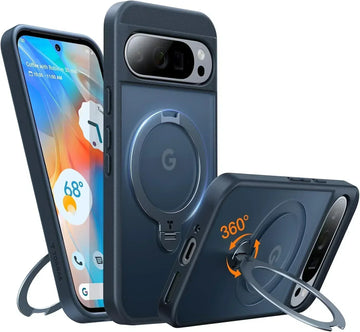
The risks Pixel owners face are surprisingly varied. Drops are the obvious culprit, but everyday hazards like keys scratching the back glass, dust working into ports, and minor impacts accumulating over time cause just as much long-term damage. Pixel devices, with their glass backs and precision camera arrays, are particularly vulnerable. The protruding camera bar on recent models creates an uneven surface that makes the phone prone to sliding, and it’s one of the first things to absorb impact when the device falls.
What many users don’t realize is that adequate protection doesn’t have to mean giving up what made them choose a Pixel in the first place. A well-engineered case preserves the phone’s slim profile, keeps buttons accessible, and maintains the tactile satisfaction of using a premium device — while quietly doing the hard work of absorbing shocks and deflecting scratches. The best cases are essentially invisible in daily use, only revealing their value in the moments that matter most. Understanding which features actually deliver on that promise is what separates a smart purchase from an expensive mistake, and that’s exactly what the next section breaks down.
Key Features That Define High-Quality Phone Cases
Not all cases are created equal, and the difference between a mediocre cover and a genuinely superior one comes down to a handful of engineering decisions that most buyers never think to examine. For tech-savvy Pixel owners who demand both performance and aesthetics, understanding these features transforms a frustrating purchase into a confident one. The best cases combine material science, thoughtful geometry, and precise manufacturing tolerances to deliver protection that actually works without making your phone feel like a different device.
Responsive Button Covers for Unhindered Functionality
Button covers are where many cases quietly fail. Thick or poorly aligned covers force you to press harder, muffling the satisfying click of a well-designed button or causing accidental presses altogether. High-quality cases solve this by using precision-molded covers that sit at the exact right depth — thin enough to transmit tactile feedback cleanly, yet substantial enough to protect against side impacts. The result is a phone that operates exactly as Google intended, with no frustrating lag between intention and action.
Raised Edges and Anti-Collision Design for Maximum Safety
The geometry of a case matters as much as its material. Raised edges — sometimes called lips — around the screen and camera bar keep those surfaces from making direct contact with flat surfaces during a face-down drop. This seemingly small design detail prevents the majority of screen cracks in real-world accidents. Beyond raised edges, genuine anti-collision design incorporates shock-absorbing corner geometry, since corners absorb the concentrated force of most drops before it can travel inward to damage internal components. Brands like TORRAS have built their reputation around exactly this kind of engineering — integrating air-cushion corners and reinforced TPU bumpers at high-impact zones to distribute energy outward rather than letting it spike through the device. Together, raised edges and intelligent corner engineering form a two-layer defense system that addresses how phones actually fall and land.
Why This Case Outperforms: A Comparative Analysis
Walk into any phone accessories aisle and you’ll find two dominant categories: budget TPU sleeves that offer basic scratch resistance but fold under real impact, and heavy-duty rugged cases that protect against nearly anything but transform a sleek Pixel into something resembling a construction tool. Neither category actually solves the problem Pixel owners face — they just ask you to accept a different trade-off.
Superior cases distinguish themselves through material engineering that budget options simply can’t replicate. Where standard cases use single-layer TPU or polycarbonate, high-performing designs layer materials strategically — a rigid outer shell to distribute impact force combined with a flexible inner lining to absorb what gets through. This dual-layer approach handles the physics of a drop more intelligently than any single material can, regardless of how thick that material is. Thickness alone isn’t protection; it’s just bulk.
The precision of the fit tells the story just as clearly. Generic cases are often designed to approximate a phone’s dimensions rather than match them exactly. Ports sit slightly off-center, camera cutouts leave thin slivers of the lens exposed, and the case shifts subtly when you grip the phone. A case engineered specifically for a Pixel model eliminates all of that — every cutout is exact, every button cover aligns perfectly, and the case stays locked in place under real handling conditions.
User experience in daily scenarios is where the gap becomes undeniable. A superior case doesn’t announce itself when you’re scrolling, photographing, or making calls. It maintains the phone’s natural grip texture, keeps wireless charging fully functional without removal, and adds so little visual mass that the Pixel’s design remains the focal point. Standard cases compromise at least one of these points; the best cases compromise none.
Step-by-Step Guide to Choosing the Best Protective Case
Choosing the right case isn’t about picking the most expensive option or the one with the most five-star reviews — it’s about matching a case’s specific strengths to your specific life. A thoughtful selection process takes about ten minutes and saves you from months of frustration with a case that looked perfect online but fails in daily use. The following steps give you a structured framework to cut through marketing language and make a decision grounded in what actually matters.
Assessing Your Needs as a Tech-Savvy Consumer
Start by honestly mapping your daily usage patterns. Do you shoot photos constantly, making unobstructed camera access non-negotiable? Do you commute through environments where drops are likely, or does your phone mostly live on a desk? Are you drawn to the Pixel’s color options and want a case that showcases rather than hides them? Answering these questions first prevents you from optimizing for protection you don’t need while ignoring features you’ll rely on every single day. Your lifestyle, not a spec sheet, should drive this decision.
Evaluating Case Features Against Your Priorities
Once you know your priorities, run each candidate case through a focused checklist. Confirm that button covers are precision-molded rather than flat panels — you can usually tell from close-up product photos or reviewer comments about tactile feedback. Verify that raised edges exist around both the screen and camera bar, not just one. Check that all port and speaker cutouts are exact for your specific Pixel model, not a generic fit. Finally, confirm wireless charging compatibility if you use it, since some cases with metal components or excessive thickness interfere with charging coils. TORRAS, for instance, explicitly engineers its Pixel cases for full wireless charging compatibility, which is the kind of model-specific detail worth looking for across any brand you evaluate.
Making the Final Decision: Style vs. Function
The style-versus-function debate is largely a false choice when you’re evaluating well-engineered cases. The real question is whether a case delivers both without compromising either. If a case clears your protection checklist but comes in colors or finishes you genuinely dislike, keep looking — you’ll resent it within a week. Conversely, if a case looks exactly right but skips raised edges or uses single-layer construction, no amount of aesthetic appeal compensates for a cracked screen. The best Google Pixel case is the one that passes your functional requirements first, then satisfies your eye. When you find one that does both, that’s the right purchase.
Smart Protection, Smarter Purchase
Protecting your Google Pixel isn’t a luxury — it’s a practical necessity for anyone who depends on their device daily. Throughout this article, we’ve established that the difference between an adequate case and a truly superior one comes down to deliberate engineering choices: precision-molded button covers that preserve the phone’s natural responsiveness, raised edges that shield both the screen and camera bar from contact damage, and anti-collision corner geometry that handles the concentrated force of real-world drops before it reaches internal components.
For tech-savvy consumers, the goal has never been protection at the expense of everything else. It’s protection that works alongside the Pixel experience — maintaining wireless charging, preserving the phone’s slim profile, and keeping every port and button exactly where Google designed them to be. A well-chosen case doesn’t announce itself in daily use. It simply ensures that your device keeps performing the way you expect it to, drop after drop, month after month.
The framework in this article gives you everything you need to make that call confidently. Assess your actual usage patterns, run candidates through a focused feature checklist, and refuse to settle for a case that passes on protection but fails on style — or vice versa. Your Pixel deserves both. Make the informed purchase now, before an unprotected drop makes the decision for you.