Key Takeaways
- Significant demand is returning to urban centers, driving up property values and revitalizing city living opportunities.
- Smart home technology and virtual experiences are revolutionizing how properties are bought and sold.
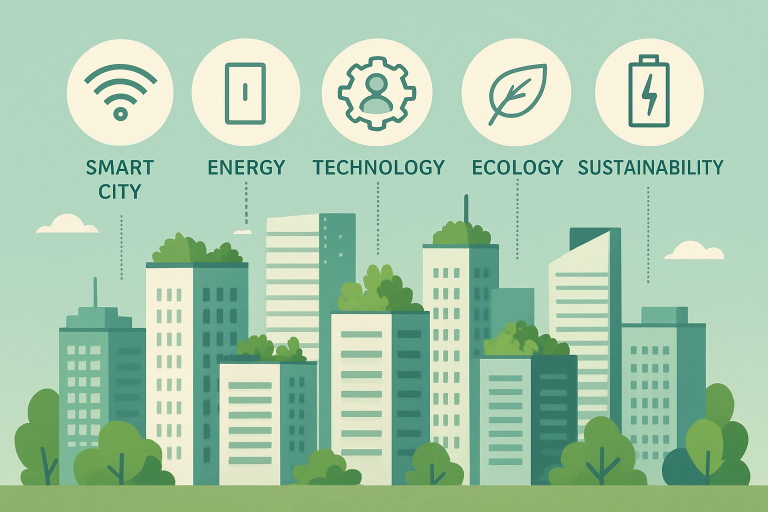
- Sustainability is taking priority, with eco-conscious developments reshaping major metropolitan areas.
- Remote work is redefining the boundaries between city and suburb life, creating new types of communities.
Urban environments are experiencing rapid transformation, closely mirroring the ongoing shifts in how people work, live, and interact within cities. These changes affect everything from the types of developments being built to the way homes are marketed and sold. Buyers interested in iconic neighborhoods like Midtown Manhattan are reevaluating priorities as accessibility, amenities, and innovation take center stage. For those looking to explore Midtown Manhattan homes for sale, Alignment NY provides expert guidance and a curated selection of properties, specializing in luxury real estate across Manhattan’s most coveted locations. With deep-rooted expertise in the Midtown area and a focus on matching discerning buyers with exceptional homes, Alignment NY stands out as an authority for those seeking upscale urban living in New York City.
As flexible work arrangements become more prevalent and the appeal of city living surges, both investors and buyers are monitoring trends that shape the future of real estate. Technology, sustainability, and lifestyle preferences all play pivotal roles in these evolving choices, ensuring today’s urban landscapes are dramatically different from those of a decade ago.
Resurgence of Urban Living
The ongoing revival of urban living signals a clear shift away from the earlier rush to the suburbs. Cities like Minneapolis are posting robust growth in property values, partially driven by employers calling people back to the office and a renewed appreciation for city amenities. Walkability, cultural attractions, and access to workplaces are all factors drawing residents back to vibrant city centers. Areas with strong infrastructure and lifestyle amenities, such as Midtown Manhattan, are especially well-positioned to benefit from this resurgence.
The increased demand is translating into competitive markets and creative approaches to urban housing. Whether families or professionals, new residents are prioritizing proximity to transit, dining, and entertainment, which is contributing to sustained value growth in prime neighborhoods.
Technological Innovations in Real Estate
Technology continues to significantly reshape real estate, with smart home devices, virtual tours, and remote viewing options becoming standard features in property marketing. Prospective buyers can experience properties through immersive augmented and virtual reality tools, compressing the decision-making process and broadening access for out-of-state or international clients. Automated home features now extend beyond convenience, supporting sustainability by optimizing lighting, security, and energy usage.
Real estate firms are also harnessing analytics and predictive tools to match buyers with homes that best fit their needs. This tech-driven approach not only improves efficiency but also delivers a more personalized experience for every client.
Sustainability and Eco-Friendly Designs
Green living is emerging as a dominant theme throughout new urban developments. Developers in leading cities are prioritizing energy-efficient construction, adaptive reuse of historic structures, and integrating green spaces into residential and mixed-use buildings. Features such as rooftop gardens, solar panels, and improved insulation are now in high demand among eco-conscious buyers and renters alike.
The benefits of these sustainable designs go well beyond environmental responsibility. Residents gain access to healthier, more comfortable spaces while cities benefit from reduced emissions and enhanced urban biodiversity.
Flexible Work and Evolving Housing Preferences
The remote and hybrid work revolution has blurred the lines between traditional urban and suburban living. Many professionals now seek homes that offer both vibrancy and tranquility, a blend typically found in emerging “peri-urban” neighborhoods. These areas offer the diversity of city life, mixed with pockets of suburban calm, catering to today’s evolving workforce.
Luxury Real Estate Market Dynamics
In the luxury segment, longstanding cities like New York and Los Angeles remain popular for affluent buyers, yet markets such as Miami and Dubai are emerging as international hotspots. These areas offer robust lifestyle opportunities and unique tax advantages, shifting the landscape for those seeking exclusivity and investment potential. Understanding local market drivers, such as inventory and lifestyle offerings, is critical when targeting high-end urban properties.
Impact of Social Media on Real Estate
Social media plays a central role in real estate marketing. Platforms that showcase rich visual content, high-resolution images, video walkthroughs, and interactive floor plans attract curious, tech-savvy buyers. Agents build robust online presences to expand their outreach, foster connections, and keep clients engaged long before and after the sale. The use of platforms like Instagram and TikTok has opened new avenues for showcasing creative property and for client interaction, keeping brands relevant and top of mind.
Emergence of Mixed-Use Developments
Mixed-use developments, combining residential, commercial, and recreational spaces, have become hallmarks of progressive urban revitalization. These projects foster a strong sense of community, promote walkability, and minimize the need for car travel, making them appealing to a growing segment of urban dwellers. These developments enhance access to daily amenities and can spur local economic growth while meeting modern demand for convenience and connectivity.
Conclusion
The landscape of urban living and real estate is evolving rapidly, shaped by the dual currents of technology and sustainability. Awareness of the latest trends empowers buyers, investors, and planners to make informed decisions, turning city living into a more sustainable, efficient, and enjoyable experience.
For further reading on the future of cities and housing patterns, The New York Times Real Estate and Forbes Real Estate offer in-depth analysis and expert commentary on market trends and urban development.