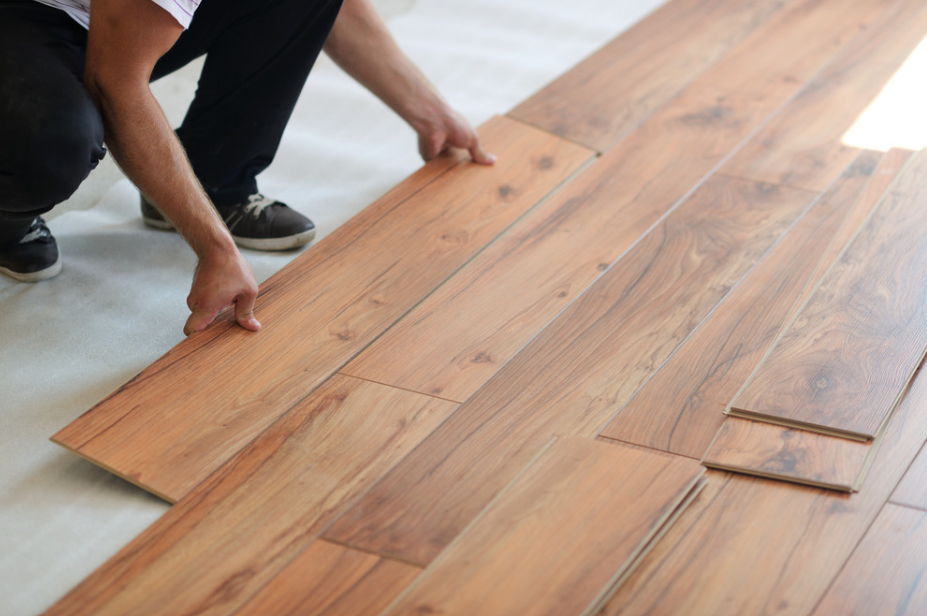
Selecting new flooring is one of the most important design and investment decisions a homeowner can make. Flooring affects how a space looks, how it feels underfoot, how it performs over time, and even how future buyers perceive your home. With so many materials available such as hardwood, engineered wood, vinyl, laminate, and more, it is essential to look beyond color and texture. Durability, lifespan, maintenance needs, and long-term value should all play a role in your decision.
Understanding how different flooring types perform over decades, not just years, can help you make a choice that fits your lifestyle and financial goals. Below, we explore three major considerations: lifespan, historical performance, and overall return potential.
Understanding Hardwood Lifespan and Durability
When it comes to longevity, hardwood flooring has long been considered a gold standard. Its ability to withstand wear, be refinished multiple times, and maintain its appearance over decades makes it a strong contender for homeowners who prioritize durability. However, not all hardwood options are identical.
According to The Spruce, solid hardwood floors have a lifespan of 30 to 100 years while engineered hardwood floors typically last 20 to 30 years. This wide range reflects differences in construction. Solid hardwood is made from a single piece of wood, which allows it to be sanded and refinished multiple times. Engineered hardwood consists of a real wood veneer over a layered core, which limits how often it can be refinished.
For homeowners planning to stay in their home long term, the extended lifespan of solid hardwood may justify the higher upfront cost. For others, engineered hardwood offers a balance between natural beauty and more moderate pricing. In either case, durability plays a central role in long-term performance and overall satisfaction.
Examining Vinyl’s Evolution and Practical Appeal
Vinyl flooring has become a popular alternative for homeowners seeking affordability and water resistance. Its development and rise in popularity have made it a common choice in kitchens, bathrooms, and basements where moisture can be a concern.
Vinyl flooring has undergone significant advancements in manufacturing and design. Modern vinyl options, including luxury vinyl plank and tile, are engineered to mimic the appearance of natural wood or stone while offering enhanced durability and easier maintenance.
Vinyl’s appeal lies in its resilience and practicality. It resists scratches, dents, and water damage more effectively than many traditional wood products. While it may not offer the same lifespan as solid hardwood, it provides reliable performance in high-traffic or moisture-prone areas. For families with children or pets, vinyl can offer peace of mind alongside aesthetic flexibility.
Evaluating Long-Term Value and Investment Potential
While durability and practicality are important, many homeowners also consider how flooring choices affect property value. Hardwood flooring, in particular, has a reputation for boosting resale appeal.
According to USA Today, hardwood flooring can provide an ROI of up to 118%. This means that, in some cases, homeowners may recover more than their initial investment when selling their property. Buyers often associate hardwood floors with quality, longevity, and timeless design, making them a desirable feature in competitive markets.
Long-term performance is not only about how a floor holds up under daily use. It is also about how it contributes to overall home value. While vinyl may offer lower upfront costs and strong moisture resistance, hardwood’s resale advantages can offset its higher initial expense. Ultimately, the right choice depends on your priorities, including immediate budget considerations, long-term durability, and maximizing property value.
Choosing the right flooring requires balancing style, durability, and long-term performance. Solid hardwood offers impressive longevity and can last decades beyond engineered alternatives. Vinyl has evolved significantly since its rise in the mid-20th century and delivers practical benefits for modern households. Meanwhile, hardwood’s potential return on investment highlights its value beyond everyday use.