Key Takeaways
- Regular home maintenance helps catch and address hazards early.
- Smart home technology boosts security but requires active management to minimize risks.
- Being prepared for emergencies and safeguarding your finances are critical to long-term resilience.
Ensuring the safety and security of your home should always be a top priority. Taking strategic actions means you can effectively mitigate potential hazards, protect your property, and secure your family’s well-being. Whether you just moved in or have lived in your house for years, being proactive is essential. Consider how valuable a comprehensive triple A house insurance policy can be as part of your layered risk management strategy. A good policy, combined with smart, ongoing home safety measures, provides reliable protection against unforeseen circumstances.
To make your home as safe as possible, think beyond simple locks and alarms. Prioritize routine inspections, use advanced security technology carefully, and plan for emergencies. Each smart step you take reduces vulnerability and enhances peace of mind for everyone under your roof.
Regular Maintenance and Inspections
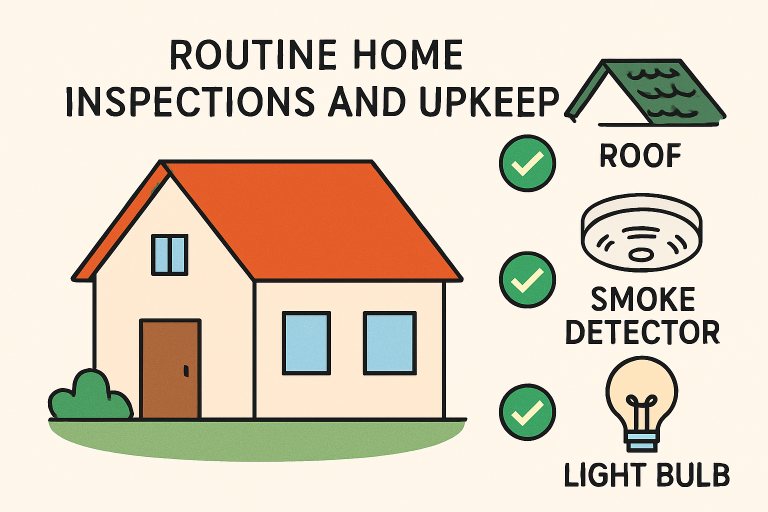
Routine checks on your home’s infrastructure are vital for safety. Arrange annual inspections of your roof, plumbing, and electrical systems. Professionals can spot early signs of leaks, faulty wiring, or corroded pipes before they turn into major – and expensive – issues. Addressing problems promptly means your home remains both safe and comfortable.
Home maintenance also extends to frequently overlooked items, including smoke and carbon monoxide detectors. Testing and replacing their batteries at least twice a year maximizes early warning in the event of an emergency. Maintain clean gutters and inspect major appliances regularly as part of your routine. Following advice from reputable sources can help you stay on top of tasks that keep your home secure year-round.
Enhancing Home Security
Physical security remains a core component of smart home risk management. Modern homeowners have options that go well beyond simple locks. Installing a security system that includes cameras, motion sensors, and alarms significantly deters unwanted visitors. These visible deterrents are not only effective for protection but also provide priceless peace of mind.
Other practical steps include reinforcing doors and windows and ensuring external areas have adequate lighting. Paying attention to details, such as the quality of outdoor locks and the condition of fences, further improves your home’s defenses. Keeping your property well-lit and clearly visible to neighbors can effectively reduce opportunities for crime, as Consumer Reports explains in its tips for protecting your home while you’re away.
Smart Home Technology Management
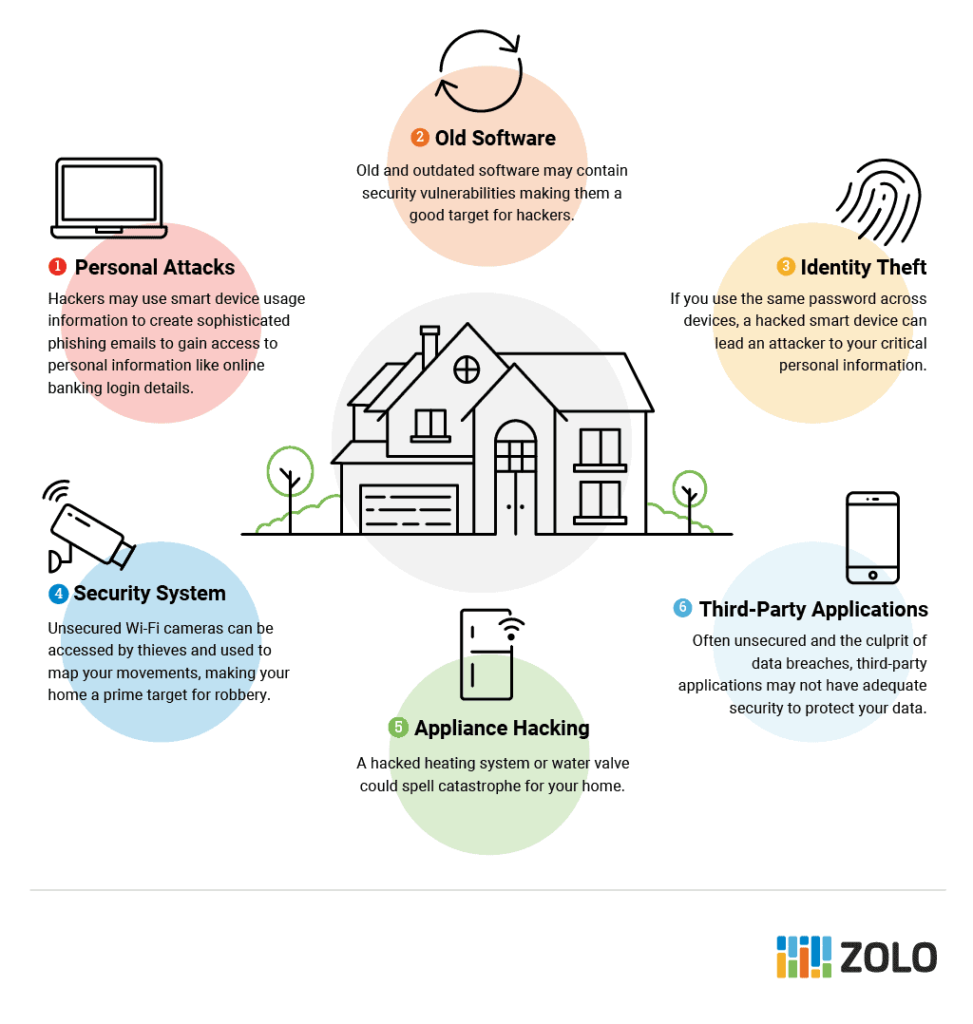
Smart home devices offer convenience and increased protection, but they do come with vulnerabilities. Cybercriminals target poorly secured networks and devices. Take these measures to safeguard your smart home system:
- Create strong, unique passwords for each device and update them routinely.
- Enable multi-factor authentication whenever possible to add extra protection.
- Keep device software and firmware up to date to minimize security gaps.
- Split your Wi-Fi network so that smart home devices run separately from personal computers and sensitive data.
Consistent management of your smart technology makes your digital defenses as reliable as your physical ones, limiting the chance of unauthorized access and data breaches.
Emergency Preparedness
Emergencies can happen at any time, making preparation indispensable. Prepare and regularly review a fire escape plan. Every member of your household should know at least two exits from each room and practice evacuation drills. A well-stocked emergency kit, stocked with bottled water, non-perishable food, flashlights, a first-aid kit, and copies of important documents, will help your family weather unexpected crises. If you live in an area prone to specific natural disasters, like hurricanes or earthquakes, tailor your kit accordingly and stay informed through local government resources.
It’s also crucial to document your possessions for insurance purposes. Take photos or videos of your valuables and keep digital copies in a safe, accessible location. This documentation can make insurance claims more efficient and less stressful in the event of a disaster or theft. Participating in community-wide drills or local preparedness workshops can help ensure everyone in your area knows how to respond during common emergencies. Building relationships with local emergency services is another way to strengthen your response network and access timely assistance.
Financial Protection Measures
Protecting your home should always include financial resilience. A carefully chosen homeowners’ insurance policy is your first line of defense against major losses from fire, theft, or weather damage. Regularly review your policy to ensure it matches current risks, especially if you remodel, upgrade, or live in an area facing evolving weather threats.
In addition, an emergency home repair fund protects your finances when sudden repairs arise. A clear understanding of your mortgage, property taxes, and insurance requirements for your neighborhood can help you plan for ongoing costs. Anticipating expenses prevents unpleasant surprises and adds another layer of security to your overall risk management plan. Taking the time to explore umbrella insurance or adding extra riders to cover special valuables can give you greater financial security as your needs evolve.
Community Engagement
Don’t overlook the power of a vigilant community network. Participating in or starting a Neighborhood Watch increases collective security. Neighbors who communicate about suspicious activity and share safety updates can dramatically reduce crime and other risks. Attend community meetings and participate in online forums discussing local safety. This sense of shared responsibility benefits everyone, strengthening relationships and overall neighborhood resilience.
Additionally, getting to know your neighbors helps build trust and a shared sense of accountability. Simple actions, like exchanging contact information or checking in during storms, go a long way. Strong communities not only deter threats but also provide mutual support during challenges, making your home a safer, connected place to live.
Conclusion
Proactively managing the safety and stability of your home is a multifaceted effort. With regular inspections, enhanced security systems, careful digital device management, solid emergency plans, and thoughtful financial preparation, you provide robust protection for your family and your investment. Working together with your neighbors to share information and foster communal vigilance completes your plan and ensures your home remains a secure, thriving place to live.