
Key Takeaways
- FNPs are instrumental in delivering primary care where it is most needed, particularly in underserved communities.
- They emphasize patient-centered, holistic care, prioritizing prevention and wellness.
- FNPs’ integration into healthcare teams drives collaborative, efficient care and improves patient satisfaction.
- They play a central role in cost control by reducing unnecessary hospitalizations and emergency care visits.
Family Nurse Practitioners (FNPs) are at the forefront of healthcare transformation, particularly as the demand for primary care continues to rise. Their blend of advanced clinical skills and a holistic mindset enables them to address gaps in the healthcare system, making them indispensable in modern care environments. As more professionals pursue an online FNP degree, the field is witnessing a substantial increase in skilled providers ready to tackle today’s most complex healthcare challenges.
FNPs play a crucial role in expanding access to care and enhancing outcomes for individuals and families, particularly in areas where physician shortages are most severe. They bridge essential service gaps with a strong emphasis on prevention, wellness, and patient education, serving as advocates for patient health across all ages and backgrounds.
Expanding Access to Primary Care
The U.S. faces a substantial shortfall of primary care physicians, with projections suggesting a gap of up to 86,000 doctors by 2036. FNPs have stepped up as a reliable workforce solution, particularly in communities that struggle to recruit and retain physicians. Many states grant FNPs the autonomy to diagnose, treat, and prescribe independently, enabling them to act as primary care providers for countless families who may otherwise lack regular access to medical services.
FNPs practicing in rural, low-income, or otherwise medically underserved areas play a uniquely vital role. Their presence not only alleviates wait times and travel distances for care but also ensures that at-risk populations receive ongoing, preventive, and chronic disease management services that may otherwise be out of reach.
Holistic and Patient-Centered Care
What sets FNPs apart is their philosophy of treating the whole person, not just the symptoms. By integrating physical, emotional, and social health perspectives, FNPs foster deeper relationships and trust with their patients. This patient-centered approach leads to better adherence to treatment plans and healthier outcomes by empowering patients to participate actively in their healthcare decisions.
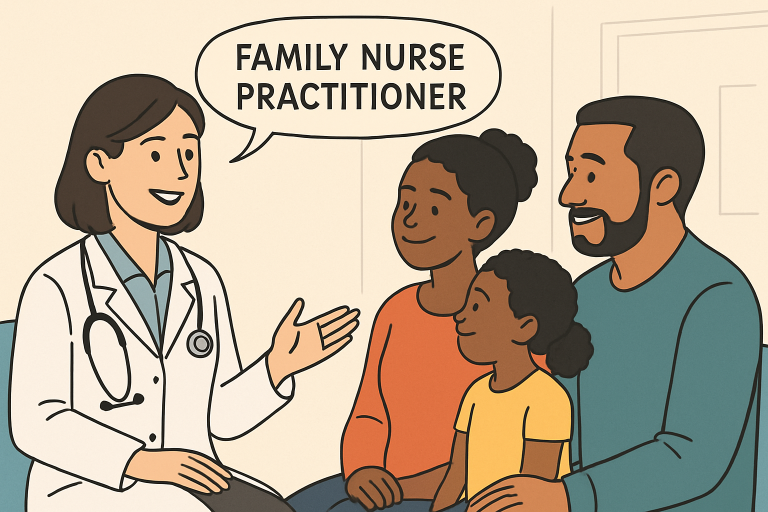
This focus on the “whole person” approach is not only responsive to physical ailments but also proactive in preventing illness through regular screenings, health education, lifestyle counseling, and early intervention. FNPs’ commitment to ongoing health literacy ensures patients are informed, heard, and valued—as demonstrated by rising patient satisfaction rates in practices that include nurse practitioners.
Integration into Healthcare Teams
Within clinics and hospital settings, FNPs are essential team members alongside physicians, specialists, registered nurses, and allied health professionals. Their advanced training empowers them to independently assess, diagnose, and manage a wide variety of acute and chronic conditions. This collaborative, interprofessional approach supports optimal patient outcomes and a balanced workload distribution within care teams.
Healthcare organizations benefit from FNPs’ broad scope of practice, which can include managing complex cases involving multiple conditions simultaneously. They play a critical role in care coordination, follow-up, and bridging communication between specialists and primary care teams—ensuring continuity and efficiency in patient care.
Cost-Effective Healthcare Delivery
The skill set FNPs bring to primary care is key to controlling costs for both patients and healthcare systems. A growing body of evidence suggests that nurse practitioners are capable of delivering high-quality care, thereby reducing patient reliance on emergency departments and hospital admissions. With a strong focus on prevention, chronic disease management, and patient education, FNPs help mitigate health crises before they escalate into costly interventions.
Furthermore, FNPs typically spend more time on patient visits than physicians, enabling thorough assessments and more personalized care plans. This results in fewer overlooked conditions and a significant reduction in preventable complications, contributing to a more affordable and efficient health system overall.
Addressing Healthcare Disparities
FNPs have proven themselves as key advocates for equity in healthcare. Their roles in community health centers, nurse-led clinics, and outreach programs ensure that marginalized and vulnerable populations receive culturally sensitive and accessible care. This reduces disparities in outcomes for groups historically underserved by the healthcare system, such as racial minorities, rural residents, and those living in poverty.
The training that FNPs receive in cultural competency and their focus on community engagement prove invaluable in tailoring health education and interventions to meet the diverse needs of patients.
Embracing Telehealth and Technology
As healthcare rapidly evolves, FNP leaders lead the way in adopting technology to expand their reach. Telehealth platforms enable practitioners to conduct virtual consultations, remotely monitor ongoing conditions, and provide real-time health education. For patients in remote or mobility-limited situations, these innovations prove critical in maintaining continuity of care and improving overall health monitoring, particularly in the wake of the COVID-19 pandemic.
Advocacy and Leadership
FNPs’ on-the-ground experience with clinical challenges gives them a powerful voice in healthcare policy and reform. Many FNPs step into leadership positions in professional associations, academic settings, and advocacy groups, driving change in patient care standards and nursing education. By influencing public policy and health legislation, FNPs are helping to shape a more effective, patient-focused healthcare system for future generations.
Conclusion
Family Nurse Practitioners are not only filling gaps in primary care—they are redefining how care is delivered, coordinated, and valued. Their versatility, patient-focused approach, and passion for advocacy position them at the forefront of modern medicine. As the healthcare system evolves to meet increasing demand and shifting patient needs, the contributions of FNPs will remain central to building healthier communities and a more equitable system for all.