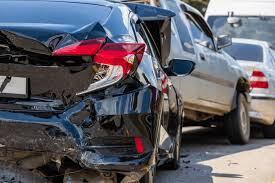
In Los Angeles, millions of drivers share the road each day, navigating packed freeways, layered interchanges, and fast-moving city streets. With so many vehicles in motion at once, collisions are rarely simple. Multi-car pileups, commercial vehicles, rideshare drivers, and conflicting witness accounts can quickly turn a routine accident into a complicated legal matter. When injuries are serious or damages are significant, determining who is legally responsible becomes more than a formality—it directly affects medical coverage, lost income, and long-term financial stability.
In complex car accidents, fault is not based on guesswork but on a careful review of physical evidence, applicable traffic laws, expert analysis, and comparative negligence principles. Understanding how these elements interact can make a meaningful difference in the outcome of a claim. A car accident lawyer in Los Angeles can help ensure that liability is evaluated thoroughly and that your rights are protected throughout the process.
Gathering Evidence At the Scene
It starts by obtaining data at the crash scene. Officers will use photos, diagrams, and written accounts to describe what happened. Witnesses frequently make statements that clarify the events leading up to the collision. Conditions of roads with traffic signs and positions of passing vehicles are stored to develop a complete account. Using this information, authorities form a timeline of the events.
Police and Accident Reports
Authorities compile an incident report after investigating the scene. This report typically describes who was involved, what went down, and where the accident occurred. Reports may contain a preliminary assessment of liability based on the known facts. Insurance companies and courts heavily rely on these reports. These records are not absolute, but they play an important role in determining liability.
Traffic Laws and Violations
Liability is often dictated by who broke traffic laws or showed negligence. Investigators look into whether the driver was speeding, running signals, or failing to yield. Video from traffic cameras and data from the onboard computers of other cars can provide clues as well. Fault determinations are heavily swayed by violations like distracted driving or running a red light. Familiarity with local traffic laws can help drivers and investigators determine what behavior was appropriate.
Role of Insurance Adjusters
Insurance adjusters review all accessible information to determine financial liability. They take a look at accident reports, photos, and witness statements to piece together what happened. Adjusters will look at any vehicle damage and road markings. They use these methods to determine how claims will be settled and who will pay the compensation. Effective communication on both ends ensures that all conflicts are resolved as quickly as possible.
Expert Opinions and Accident Reconstruction
An expert may be called to resolve differences or to clarify a more complicated situation. Experts apply physics, engineering, and computer models to reconstruct what probably happened. They can address confusing aspects or expose elements that weren’t considered before, such as a mechanical failure. These professional assessments are highly valued in courts and by insurance companies as they lend scientific evidence. This helps in reaching a fair decision.
Multiple Parties and Comparative Fault
Most collisions involve multiple drivers, which increases the complexity of the process. In these situations, liability may be split between multiple drivers based on how responsible each driver was in causing the crash. Many states have comparative fault rules under which more than one person can be partially blamed. The share of fault is divided between the parties, directly affecting the compensation provided/recovered.
Legal Proceedings and Resolution
If the parties involved do not agree on liability or damages, litigation is necessary. Courts look at everything, including reports, expert opinion, witnesses, etc. It is up to judges and juries to determine who should pay the compensation, and how much. Having legal representation ensures that your rights are protected and you achieve a fair outcome.
Conclusion
Establishing fault in complex car accidents comes down to evidence, law, and analysis. Each stage, from initial evaluation to court hearings, counts. When parties rely on established procedures and expert judgment when relevant, a fair outcome becomes possible. Understanding how fault is determined in these cases will provide confidence to the parties in navigating this process and seeking just results.