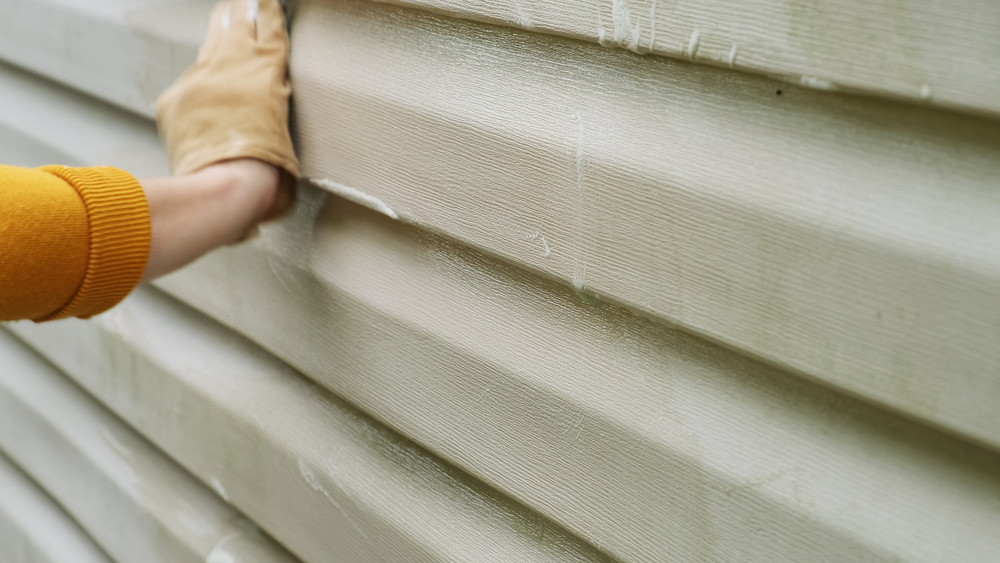
Vinyl siding has become a popular choice among homeowners due to its affordability and ease of maintenance. To truly maximize the lifespan of this material, it’s essential to understand how proper care can extend its usefulness. Vinyl siding is expected to last between 30 and 40 years, but with diligent maintenance, it can exceed 60 years. This article will explore maintenance tips that help prolong the life of your vinyl siding, discuss energy savings from new installations, and address common reasons for siding replacement.
Extending the Lifespan of Vinyl Siding
One of the primary factors contributing to the longevity of vinyl siding is regular cleaning. Over time, dirt, pollen, and mold can accumulate on the surface, leading to discoloration and even permanent damage if not regularly addressed. A simple wash with a garden hose and mild detergent at least once a year can prevent this buildup, keeping the siding looking new longer.
In addition to cleaning, inspecting the siding periodically for damage is crucial. Look for cracks, warping, or loose panels, particularly after severe weather events. Addressing these issues promptly not only enhances the appearance of your home but also prevents water infiltration that could lead to more extensive damage.
Another important aspect of maintenance is ensuring that landscaping, such as trees and shrubs, is kept away from the siding. Plant life rubbing against the siding can cause scratches and other forms of wear. By maintaining a buffer between your home and the surrounding greenery, you can help extend the siding’s lifespan dramatically.
Energy Efficiency and Cost Savings
Installing new vinyl siding can have significant implications for your home’s energy efficiency. According to studies, new siding can reduce heating costs by around 8%. This is achieved by providing an extra layer of insulation that helps to regulate the temperature inside the house, cutting down on the need for extensive heating or cooling.
Beyond energy savings, new siding can also enhance the overall aesthetic appeal of your home, increasing its market value. Whether you’re looking to sell or simply want to enjoy a fresher look, investing in new siding can be a worthwhile decision. The improved curb appeal not only makes your home more attractive but could also result in a faster sale should you decide to move.
Adding to the cost benefits, well-maintained siding can reduce the need for frequent repairs, saving you money in the long run. By preventing damage and maintaining the structural integrity of the siding, you avoid the high costs associated with major repair projects or complete siding replacement.
Common Causes for Siding Replacement
Despite the durability of vinyl siding, it’s not invulnerable to damage. Approximately 39% of siding replacements are due to physical damage, which can range from impact by objects to warping from excessive heat. Regular inspections can help identify these issues early, allowing for minor repairs rather than full replacements.
Water damage is another significant concern. If water penetrates through damaged or improperly installed siding, it can lead to mold growth and structural issues within your home’s walls. This is why it’s vital to ensure the siding is securely fastened and any damage is addressed quickly.
Environmental conditions such as harsh sunlight, strong winds, or hail can take a toll on siding over time. In regions prone to extreme weather, the resilience of vinyl siding can be tested. Choosing a thicker, higher-quality vinyl can offer additional protection against these elements, extending the life of your siding.
Maximizing the lifespan of your vinyl siding requires a commitment to regular maintenance and timely repairs. By doing so, homeowners can enjoy the benefits of a durable and aesthetically pleasing exterior that offers value both in terms of appearance and energy efficiency. If siding damage does occur, addressing it promptly minimizes the risk of further complications. By understanding these maintenance and installation principles, you can extend the life of your home’s exterior, preserving both its beauty and functionality for decades to come.