Key Takeaways
- Pressure washing enhances curb appeal and increases property value.
- Proper techniques and equipment are essential to prevent damage.
- Regular maintenance extends the lifespan of exterior surfaces.
Introduction
Maintaining a clean and welcoming exterior is an essential part of homeownership. Over time, outdoor surfaces can accumulate dirt, algae, mold, and other contaminants that not only detract from a home’s visual appeal but can also cause structural issues if left unchecked. One of the most effective and efficient ways to restore your home’s appearance and protect its value is pressure washing in Lake Wylie, SC. This cleaning method utilizes high-pressure water jets to eliminate stubborn grime from driveways, siding, decks, and more.
As organic growth and pollutants embed themselves into your home’s exterior, the risk of staining, surface breakdown, and even health hazards increases. Left untreated, these contaminants can reduce your property value, create safety hazards, and shorten the lifespan of key materials. Routine pressure washing can quickly reverse these effects, preserving both beauty and function for the long term.
Contaminants like mildew and mold not only damage your exterior but can also worsen indoor air quality, often leading to allergy and asthma problems for residents. In regions where humidity and weather extremes are common, pressure washing becomes even more vital for seasonal upkeep. It can transform an aged, stained exterior into something that feels freshly built, setting your property apart in the neighborhood.
Homeowners who also manage multi-unit properties or are part of neighborhood associations can find added value in professional HOA Townhome cleaning. Consistent maintenance across community properties ensures a cohesive, well-kept appearance and shares the benefits of a professional clean throughout the development.
Benefits of Pressure Washing
There are multiple advantages to making pressure washing a part of your home maintenance plan. Visually, a clean exterior significantly boosts curb appeal. The National Association of Realtors claims that homes with professionally cleaned exteriors routinely sell faster and often command a premium in the real estate market. Pressure washing helps eliminate years of built-up grime, instantly restoring a fresh, inviting look to your property.
However, pressure washing serves more than just aesthetics. By regularly removing contaminants such as algae, bird droppings, and pollen, you provide preventive maintenance that extends the lifespan of siding, driveways, decks, and fences. Pressure washing removes potentially corrosive substances that break down paint and protective coatings over time. As a result, repairs and repainting are needed less frequently, resulting in substantial savings.
Another significant benefit involves health and wellness. Exterior surfaces can harbor allergens, mold, and mildew, especially in humid climates. Eliminating these hazards through pressure washing improves the environment around your home, ensuring fresher air and reducing potential triggers for asthma or respiratory issues. According to the Centers for Disease Control and Prevention, controlling mold and allergens around your property is an essential step in maintaining healthy indoor air quality.
Surfaces Suitable for Pressure Washing
Pressure washing is highly versatile, but not every surface can withstand the same level of pressure. Common surfaces that are ideal for this cleaning method include concrete driveways and walkways, which often collect oil stains, tire marks, and grime. These robust surfaces can handle higher pressure settings, yielding dramatic improvements after washing.
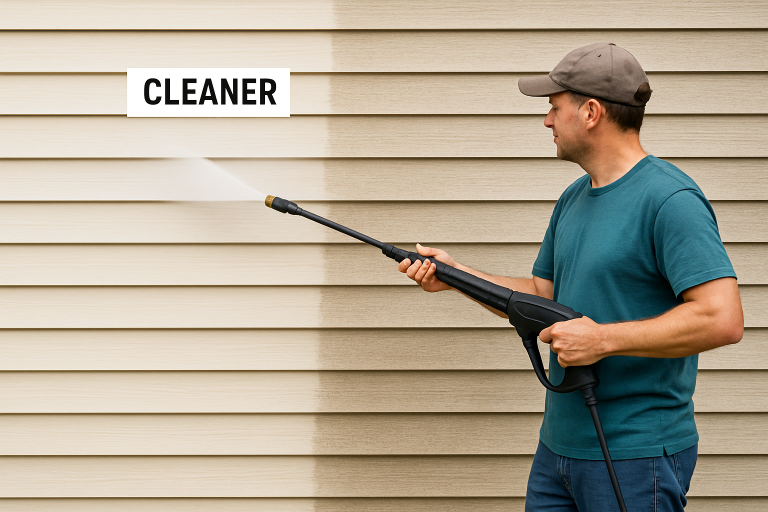
Vinyl siding benefits from moderate pressure, as it attracts airborne pollutants, algae, and mildew. Selecting the proper nozzle and pressure setting is essential to avoid cracking or manual damage. Wooden decks and fences also respond well to pressure washing, provided the operator uses a gentle touch and maintains an appropriate distance from the surface. Too much force can raise the wood grain or cause splintering, ultimately leading to unnecessary repairs.
Some materials, however, are best left to other methods. Roof shingles, for example, should not be pressure-washed because the concentrated spray can strip away protective granules and cause leaks. Windows are another surface that can easily be damaged by high pressure. For these, soft washing or manual cleaning is safer and more effective.
Knowing when to adjust or avoid the pressure washer is essential to prevent costly mistakes. Materials such as stucco, older brick, or painted wood may also require special attention or a professional assessment before cleaning.
Best Practices for Pressure Washing
Proper technique and equipment are key to safe, effective pressure washing. Start by selecting a washer with adjustable settings and use the correct nozzle for each surface. High pressure is ideal for sidewalks and driveways, but gentler spray patterns are essential for siding, decks, and painted surfaces.
Always test on a small, inconspicuous spot before proceeding, and maintain a consistent distance from the surface. Using overlapping strokes prevents streaks and missed spots. Avoid spraying water directly into gaps, ventilation openings, or under layers of siding, as this can introduce moisture into hard-to-dry areas and promote mold growth.
For stubborn contaminants such as mildew or algae, consider applying a specialized outdoor cleaning solution. These products can enhance results and typically require just a short soak before rinsing. If working near landscaping, choose environmentally safe products to avoid harming plants, and always read manufacturer usage instructions for safety.
Safety should be a top priority. Wear eye protection, durable gloves, and non-slip shoes. Be cautious with ladders, as the force of the water can create unexpected recoil. If the job feels too daunting, particularly with greater heights or delicate materials, calling in professional help can make all the difference.
When to Hire Professionals
Although many homeowners tackle pressure washing as a do-it-yourself project, some situations are best left to experts. Multi-story homes require the proper ladders, extension wands, and safety equipment to access second-story siding or roofing features. Professionals have specialized tools and insurance to complete the job safely, reducing your risk of injury or property damage.
Delicate materials, such as stucco, historical brick, or aged wood, demand careful cleaning strategies. Professional crews can assess these materials and select the most suitable cleaning method to prevent lasting harm. Furthermore, if you are dealing with extensive mold, heavy staining, or buildup that resists standard approaches, experts will have access to commercial-grade solutions and equipment that deliver superior results.
Professional pressure washing services may also provide additional treatments, such as sealing concrete or re-staining decks, further protecting your investment. These services extend the lifespan of your surfaces, protect them from seasonal weather, and can be scheduled as part of an annual maintenance plan.
Conclusion
Regular pressure washing is a practical way to preserve your home’s exterior, enhance its appeal, and prevent long-term damage from environmental factors. By understanding the appropriate techniques, matching them to the proper surfaces, and seeking professionals when needed, you can keep your property’s appearance fresh and inviting. Homeowners who maintain a routine of exterior care protect their investment, create a healthier living space, and contribute positively to the neighborhood as a whole.