Table of Contents
- Set a Budget
- Identify Your Priorities
- Research Neighborhoods
- Leverage Digital Tools
- Inspect the Apartment
- Read the Lease Carefully
- Act Quickly
- Watch for Red Flags
- Conclusion
Finding an apartment that fits your budget, lifestyle, and preferences can feel challenging, especially in competitive markets. By following a few strategic steps, you can increase your chances of securing a home that checks all your boxes. If you are searching for guidance in one of the world’s busiest markets, consult New York City NY real estate experts Mirador Real Estate for local expertise. Whether you are a first-time renter or a seasoned mover, these apartment hunting tips will help you approach your search with confidence and clarity.
Success in apartment hunting is not just about luck. Planning, researching, and carefully considering your needs can make a huge difference. Start by knowing exactly what you want, make a list of must-have features, and determine what you can compromise on. Utilize digital tools and resources, and do not rush into decisions until you are confident that a particular property is the right fit. Each stage, from budgeting to lease review, plays a vital role in ensuring a smooth move-in experience.
Set a Budget
Before starting your apartment search, define exactly how much you can afford for monthly rent. Take into account not only the listed rent but also utilities, parking fees, renters’ insurance, and possible amenity fees. Experts often recommend that your rent should not exceed 30 percent of your monthly income. Establishing your financial limits from the outset will help prevent disappointment and keep your options realistic. Being strict about your maximum also reduces the temptation to stretch your finances to buy properties that are out of reach, which can lead to unwanted financial stress later.
Identify Your Priorities
Every renter has unique needs and preferences. Before touring properties, list your absolute must-haves as well as amenities you would like but can live without. Critical factors to consider might include the apartment’s size, number of bedrooms, pet policies, on-site laundry, parking availability, or access to public transportation. By setting your priorities early, you can efficiently eliminate options that do not meet your non-negotiable criteria and focus your search on apartments that truly meet your lifestyle needs.
Research Neighborhoods
The right neighborhood can greatly impact your quality of life. Investigate potential areas based on proximity to your job, school, or frequent destinations. Consider factors such as the neighborhood’s safety, access to grocery stores, hospitals, public transit, parks, and entertainment options. Spend some time visiting the neighborhood at different times of the day to get a sense of the atmosphere and community.
Leverage Digital Tools
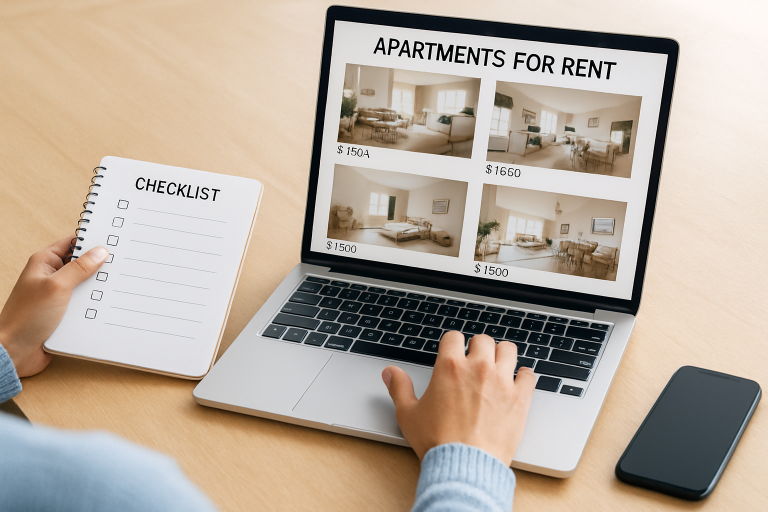
Modern apartment seekers benefit from the convenience of digital search tools. Rental platforms provide customizable filters for everything from price and location to in-unit amenities and pet policies. Some sites even offer virtual tours, allowing you to narrow your choices without leaving home. Advanced search platforms can send you alerts when new apartments matching your criteria are listed, helping you gain a competitive edge. Be sure to make use of mobile apps and online payment portals, which simplify application, communication with landlords, and monthly rent payments. Proper use of these resources not only saves time but can also deliver up-to-the-minute updates that may give you the jump on newly listed properties.
Inspect the Apartment
An in-person inspection is essential before signing any lease. During your visit, look closely for issues such as damaged walls, leaky faucets, faulty appliances, pest problems, or poor insulation. Test key systems like heating, air conditioning, and hot water to ensure they are functioning properly. Ask the landlord or property manager about the building’s maintenance procedures and average response times for emergency repairs. Taking photos and notes during the inspection provides a helpful record if any issues arise after moving in.
Read the Lease Carefully
The lease is a binding legal document, so understanding it fully is crucial. Examine details regarding rent, payment methods, late fees, security deposit terms, maintenance responsibilities, guest policies, and renewal options. Pay close attention to clauses about subletting, pet ownership, and termination fees. If anything is confusing or unclear, request clarification before signing. The lease should list all agreements in writing, with nothing left to verbal understanding. Reviewing the lease with a knowledgeable friend or legal advisor can provide added protection against future disputes.
Act Quickly
In many cities, especially popular ones, apartments are snapped up in days or even hours. Once you identify a unit that fits your requirements, gather your documentation (proof of income, identification, and references) and submit your application promptly. Being proactive can significantly increase your chances of landing your preferred apartment, as landlords often follow a first-come, first-served process when reviewing applications for competitive listings. According to Consumer Reports, preparation and speed are crucial to beating out other renters.
Watch for Red Flags
Be alert to signs of potential problems. Unusually low rent for the area can indicate hidden issues like poor maintenance or unsafe conditions. Avoid landlords or property managers who are hard to reach or unwilling to answer questions or provide a written lease. Extra fees for applications, background checks, or viewing the property before applying are warning signs. If something feels off, trust your instincts and move on. Understanding rental scams and how to avoid them is key to protecting yourself. Staying aware, organized, and thorough helps you avoid pitfalls and find an apartment that feels like home.
Conclusion
A successful apartment search involves careful planning, research, and proactive decision-making. Setting a realistic budget, identifying features, and researching neighborhoods are essential steps. Digital tools and virtual resources can streamline the process, while in-person inspections and lease reviews ensure safety. Acting quickly and being vigilant for red flags increases your chances of securing a home that aligns with your lifestyle, financial goals, and peace of mind.