Key Takeaways
- CoolSculpting is a non-invasive procedure that uses controlled cooling to eliminate stubborn fat cells.
- The treatment is FDA-cleared for various areas, including the abdomen, thighs, and under the chin.
- Results typically appear within 1 to 3 months post-treatment.
- Common side effects are mild and temporary, such as redness or swelling.
- CoolSculpting is not a weight-loss solution but a body contouring method.
Understanding CoolSculpting
CoolSculpting, or cryolipolysis, is transforming the way people approach fat reduction. Instead of surgery or invasive procedures, CoolSculpting uses advanced cooling technology to freeze and eliminate targeted fat cells. The FDA has cleared this treatment for use on stubborn areas of fat, such as the abdomen, flanks, thighs, upper arms, and beneath the chin. For those who struggle with fat deposits that won’t disappear with diet and exercise, CoolSculpting for double chin in Salt Lake City provides a non-invasive solution with minimal risk and no downtime.
This procedure is especially popular because it focuses on body contouring rather than general weight loss. Targeting those persistent bulges or pockets of fat helps individuals achieve a more sculpted, streamlined look without anesthesia or incisions. Such benefits contribute to its growing popularity in medical spas and cosmetic clinics across the country.
The Science Behind the Procedure
CoolSculpting works by exposing fat cells to precise, controlled cooling. Fat cells are more sensitive to cold than other tissues, allowing them to be selectively targeted without damaging skin or muscle. As the temperature drops, the targeted cells undergo apoptosis, a natural form of cell death. The body then processes and removes these cells gradually over several weeks, leading to a visible reduction in the treatment area.
According to clinical studies, patients can expect up to a 25% reduction of fat in treated areas after a single session. While individual results may vary, the technology behind cryolipolysis is supported by scientific evidence for both safety and effectiveness.
What to Expect During Treatment
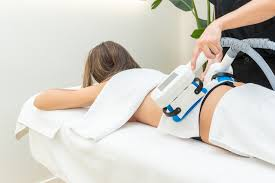
The procedure is straightforward. First, a specialized applicator and gel pad are positioned over the chosen area. As the treatment begins, patients typically feel an intense cold along with pulling or tugging sensations. This usually subsides as the tissue becomes numb. Most sessions last 35-60 minutes, depending on the size and location of the fat deposit. After treatment, there is no need for recovery time, so patients can return to work or normal activities right away.
It is important for patients to have realistic expectations about results. While CoolSculpting can deliver significant fat reduction, it is not recommended for individuals seeking substantial weight loss or those with significant excess skin. Instead, it is most effective for those close to their target body weight who need extra help refining their contours.
Post-Treatment Results and Timeline
The effects of CoolSculpting develop over 1 to 3 months as the body metabolizes the crystallized fat cells. Some patients notice changes as early as three weeks after the session, though full results are most apparent at around the two or three-month mark. To achieve better outcomes, some individuals opt for multiple sessions in the same or different treatment areas.
Long-term results are possible, provided patients maintain their healthy habits. While eliminated fat cells are gone for good, remaining cells can still expand with weight gain, making lifestyle maintenance key to sustained results.
Potential Side Effects and Considerations
CoolSculpting is well tolerated by most individuals. Common side effects are mild and temporary, including redness, slight swelling, bruising, or tingling at the treatment site. These typically resolve within days or a few weeks. The procedure is considered very safe, though in rare cases it can cause paradoxical adipose hyperplasia, in which the treated area becomes larger. For this reason, choosing a certified and experienced provider is essential for patient safety and optimal outcomes.
Comparing CoolSculpting to Other Fat Reduction Methods
Compared with surgical interventions such as liposuction, CoolSculpting carries fewer risks, less discomfort, and does not require anesthesia or incisions. Patients avoid the lengthy downtime and potential complications of surgery, making CoolSculpting an attractive alternative for those fitting its ideal candidacy guidelines. However, it is not suitable for significant fat removal or patients with large volumes of excess skin, where surgical procedures may be more appropriate.
Is CoolSculpting Right for You?
The best candidates for CoolSculpting are healthy individuals who maintain an active lifestyle and a healthy diet but have localized areas of fat that have not responded to traditional weight loss efforts. If you are considering the procedure, consult a certified provider to determine whether it fits your needs, goals, and expectations. It is also essential to understand that maintaining results relies on ongoing lifestyle habits, including a balanced diet and regular physical activity.
Conclusion
CoolSculpting offers a modern, non-invasive path for those seeking to contour their bodies and address stubborn fat deposits. By employing controlled cooling, patients can enjoy a reduction in fat without surgery, anesthesia, or significant risk. A thorough consultation, realistic goals, and a healthy lifestyle will set the stage for achieving optimal, lasting results with CoolSculpting.