A driveway may look simple on the surface, but what lies beneath determines how long it lasts. The process begins long before any paving material is installed. Proper ground preparation ensures stability, drainage, and resistance to cracking. That’s why professional driveway excavation in Cleveland focuses on building a strong base rather than just surface appearance. Skilled crews evaluate soil, slope, and load requirements before excavation starts. Each step is designed to support durability and prevent future structural problems.
Site Evaluation and Planning
Every successful project starts with careful assessment. Contractors examine the terrain, soil type, and drainage patterns to determine the right excavation depth and base materials. This early planning phase ensures the work aligns with load-bearing needs and environmental conditions.
Marking and Utility Awareness
Before digging begins, crews identify underground utilities and mark boundaries to prevent disruptions or hazards. Precision in this stage protects infrastructure and ensures excavation stays within the designated footprint.
Professionals also determine how water naturally flows across the area. This helps shape grading plans that direct runoff away from the future surface, reducing erosion and water damage risks.
Excavation and Material Removal
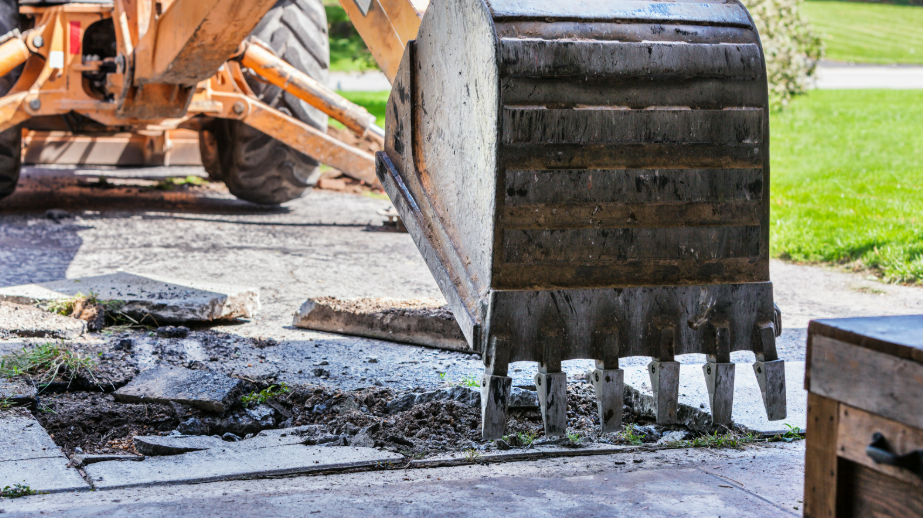
Once preparation is complete, excavation equipment removes existing soil, vegetation, and unsuitable materials. This creates space for a stable base structure.
Clearing and digging must be done evenly to prevent weak spots that could cause settling later.
Achieving Proper Depth and Stability
Depth varies depending on soil conditions and expected traffic loads. Heavier vehicles require deeper excavation and stronger base layers. Knowing common types of excavation services helps to reach the goal of creating a uniform and supportive foundation.
After digging, crews inspect the exposed ground for soft areas or organic material. Weak sections are removed and replaced with more stable fill to prevent future shifting.
Base Preparation and Compaction
With excavation complete, the focus shifts to building strength below the surface. Layers of aggregate material are added and compacted in stages. Proper compaction is essential to prevent movement once the driveway is in use.
Layering for Load Distribution
Each layer of crushed stone or gravel is spread evenly and compacted using specialized equipment. This process eliminates air pockets and increases soil density, allowing the surface to support weight without sinking or cracking.
Grading adjustments are made during this stage to ensure the final slope promotes effective drainage. Even slight variations in angle can affect how water moves across the driveway over time.
Final Shaping and Surface Readiness
Before paving begins, the base is shaped to match the planned dimensions and contours. Edges are defined, transitions are smoothed, and the surface is checked for level consistency. This precision ensures that paving materials bond correctly and perform as intended.
Quality Checks Before Installation
Contractors verify compaction levels, drainage slope, and overall alignment. These checks help confirm the base meets structural requirements and is ready to support the finished surface without premature wear.
Conclusion
Careful excavation, stable base preparation, and precise grading form the foundation for a long-lasting surface. Professional methods ensure the ground beneath remains strong, well-drained, and capable of supporting daily use without early deterioration.