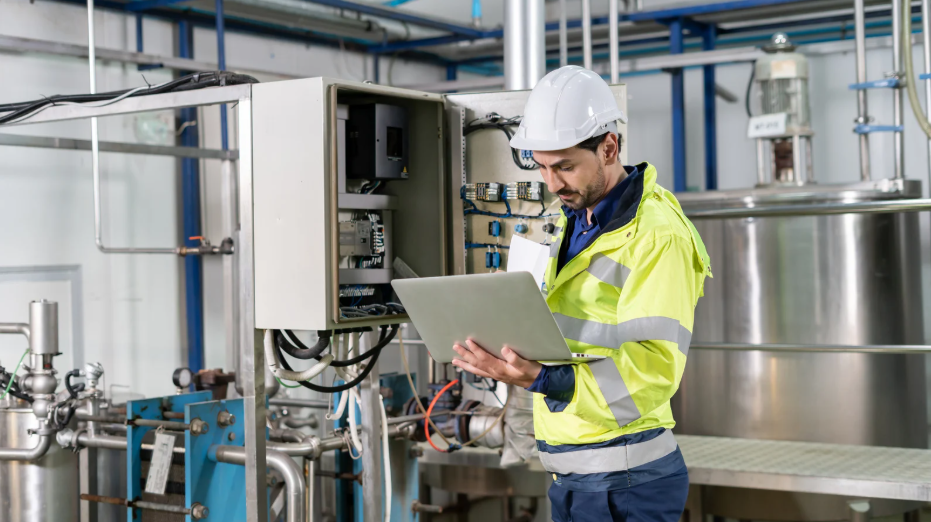
Unplanned equipment failure is one of the single most expensive challenges that facility managers and business owners face in the industrial sector. When a critical system stops working unexpectedly, it halts production lines and forces employees to sit idle, causing missed deadlines and lost revenue. The most effective way to combat this operational chaos is by partnering with a provider of professional mechanical services in Tulsa who can implement a robust strategy for asset management.
Moving Beyond Reactive Repairs
The traditional approach of running machinery until it breaks is a financial trap that leads to higher repair costs and shorter equipment lifespans. Reactive maintenance forces a business to pay premium rates for emergency service calls and expedited shipping for parts that might not be locally available. This panic-driven mode of operation disrupts the entire workflow and creates stress for everyone involved, from the floor staff to the executive team. Professional mechanical service providers shift the focus from putting out fires to preventing them from starting in the first place. By analyzing the history and usage patterns of each piece of equipment, technicians can anticipate when components are likely to fail and replace them during scheduled downtime. This strategic shift transforms maintenance from an unpredictable expense into a managed operational cost, providing stability for the annual budget.
Comprehensive System Optimization
Keeping a facility running smoothly requires more than just fixing broken parts; it involves tuning the entire mechanical ecosystem for peak performance. Industrial systems are complex networks where a deficiency in one area can cause strain on another seemingly unrelated component.
A clogged filter in an air handler can force a chiller to work harder, which drives up energy consumption and accelerates wear on the compressor. Professional mechanical service teams take a holistic view of the facility to ensure all systems work in harmony. They balance air and water flows and calibrate controls to match the actual load requirements of the building. This optimization process reduces energy waste and ensures that equipment operates within its design parameters. The result is a facility that runs quieter and cleaner while using less power to achieve the same output.
Extending Asset Lifecycle
Replacing heavy industrial machinery is a massive capital expenditure that most businesses try to delay for as long as possible. Regular attention from skilled professionals is the only way to ensure that expensive equipment reaches or exceeds its expected service life. Routine tasks such as lubrication, belt tensioning, and coil cleaning might seem minor, but they are critical for preventing the slow degradation of mechanical components. When a system is kept clean and well lubricated, it experiences less internal friction and operates at lower temperatures. This gentle operation preserves the integrity of seals and gaskets and metal surfaces. By extending the life of existing assets through diligent care, companies can defer large capital investments and use those funds for other growth initiatives.
Conclusion
Reducing unplanned downtime is not about luck; it is the result of deliberate planning and professional execution. Mechanical service providers offer the expertise and technology needed to transition from reactive repairs to proactive asset management. By investing in regular inspections, predictive diagnostics, and system optimization, businesses protect their bottom line and ensure their operations continue without interruption. A well-maintained facility is a productive facility where equipment reliability is a guarantee rather than a gamble.