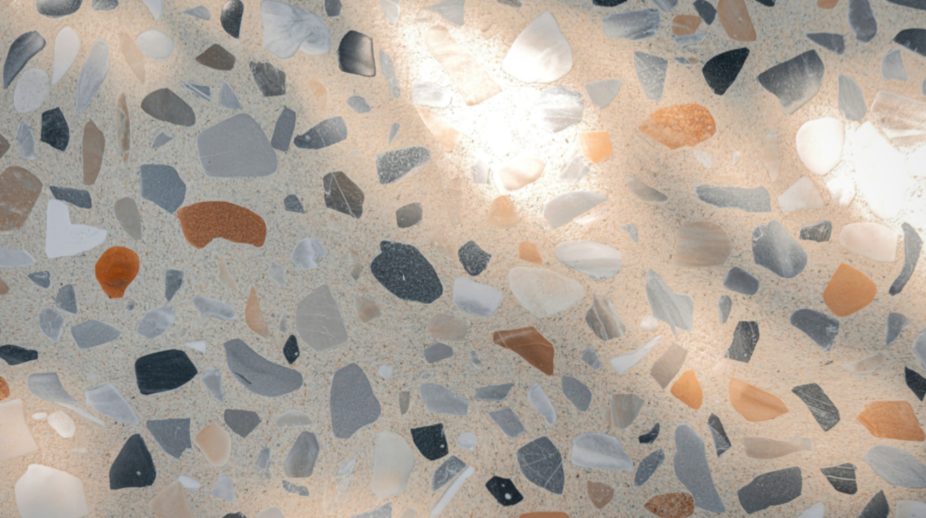
Terrazzo surfaces are valued for their durability, refined appearance, and ability to enhance both residential and commercial interiors. However, maintaining their original shine and structural integrity requires consistent care and professional attention. Many property owners rely on terrazzo polishing in Miami-Dade County to preserve the surface quality and prevent long-term damage, especially in areas with high foot traffic. Understanding how terrazzo reacts to daily use, moisture, and contaminants helps ensure that the flooring remains attractive, hygienic, and long-lasting. With the right maintenance approach, terrazzo can continue to elevate interior spaces for decades.
Understanding the Nature of Terrazzo Surfaces
Terrazzo is a composite material made from marble, quartz, or glass chips set in a cement or resin binder. Its porous nature means it can absorb moisture and debris if not properly maintained. Over time, surface wear can dull the finish and allow stains to penetrate deeper layers. Professional care plays a critical role in protecting the material structure and maintaining a smooth, even surface that supports both aesthetics and hygiene standards. Before exploring maintenance methods, it is important to understand that terrazzo responds best to gentle cleaning solutions and specialized polishing techniques. Harsh chemicals and improper tools can weaken the binder and compromise the surface finish. A thoughtful approach helps preserve the natural beauty of terrazzo while preventing premature wear.
Routine Cleaning Practices for Terrazzo Floors
Daily and weekly cleaning routines form the foundation of terrazzo care. Dry dusting or soft sweeping removes abrasive particles that can scratch the surface over time. Damp mopping with a neutral cleaner helps lift surface residue without altering the terrazzo composition. Consistency in these practices minimizes buildup and keeps the floor looking clean between professional treatments. It is also helpful to address spills promptly to prevent staining. Liquids left on the surface can seep into microscopic pores, especially in older terrazzo floors. Regular attention to these small details supports a healthier indoor environment and reduces the likelihood of long-term discoloration.
Importance of Periodic Polishing and Surface Restoration
Even with proper daily care, terrazzo surfaces benefit from periodic polishing to restore their original sheen. Polishing smooths minor imperfections, removes surface scratches, and enhances light reflection. This process not only improves appearance but also creates a denser surface that resists moisture and dirt more effectively. Over time, floors may require deeper restoration depending on traffic levels and exposure. Insights into how refinishing methods support surface longevity can be naturally understood through discussions around the importance of marble refinishing for your home, which highlights how professional surface treatments help maintain stone-based flooring systems. Similar principles apply to terrazzo, ensuring consistent performance and visual appeal.
Managing Stains, Etching, and Surface Wear
Stains and etching are common concerns in terrazzo maintenance, particularly in kitchens, lobbies, and commercial spaces. Acidic substances can dull the surface, while heavy equipment or constant foot traffic can cause uneven wear. Addressing these issues early prevents them from spreading and affecting larger areas of the floor. Professional assessment helps determine the appropriate level of treatment, whether light polishing or more intensive surface correction is required. This targeted approach ensures that terrazzo floors maintain uniformity and structural integrity without unnecessary material removal.
Supporting Indoor Hygiene Through Proper Maintenance
Beyond appearance, terrazzo maintenance plays a key role in indoor hygiene. Smooth, polished surfaces are easier to clean and less likely to harbor dust allergens or bacteria. This makes terrazzo an excellent choice for environments where cleanliness and air quality are priorities, such as offices, healthcare settings, and residential common areas. Consistent professional maintenance helps close surface pores and create a finish that supports healthier interiors. By maintaining a sealed and polished surface, terrazzo floors contribute to cleaner spaces and improved overall comfort.
Conclusion
Cleaning and maintaining terrazzo surfaces requires a balanced approach that combines regular care with professional expertise. Understanding the material properties, adopting proper cleaning routines, and investing in periodic polishing help preserve both aesthetics and hygiene. With thoughtful maintenance, terrazzo remains a durable, elegant flooring option that enhances interior environments while supporting long term performance and cleanliness.