Economic growth is often measured in jobs, infrastructure, and investment. Behind each of these indicators is a network of businesses supplying the machinery that makes development possible. From commercial construction to public works projects, equipment rental companies play a critical role in enabling contractors and developers to operate efficiently without the heavy financial burden of ownership. As demand for infrastructure, housing, and industrial projects continues to rise, the equipment rental sector is proving to be a powerful driver of economic momentum.
A Growing Revenue Engine for the Economy
One of the clearest signs of the sector’s strength is its projected revenue growth. According to the American Rental Association, equipment rental revenue is forecast to rise by 5.7% in 2025. This steady increase reflects sustained demand across construction, utilities, manufacturing, and infrastructure development.
When rental revenue climbs, it signals more than just business success for rental providers. It indicates active job sites, expanding commercial developments, and ongoing public investments. Contractors rely on rental fleets to scale their operations quickly, respond to seasonal surges, and manage cash flow more effectively. Instead of tying up capital in purchasing expensive machinery, businesses can allocate funds toward hiring workers, expanding services, or investing in innovation.
This financial flexibility helps small and mid-sized contractors compete alongside larger firms. By lowering barriers to entry, equipment rental supports entrepreneurship and stimulates local economic ecosystems. The ripple effect extends beyond construction firms to suppliers, transportation services, and maintenance providers.
A Nationwide Network of Businesses
The equipment rental industry is not a niche market dominated by a handful of corporations. It is a broad and competitive field. According to IBISWorld, the heavy equipment rental industry in the United States is made up of 16,797 businesses. This number highlights the scale and diversity of companies operating in the space, from regional providers to specialized rental firms.
Such a large number of businesses contributes significantly to employment and regional economic development. Rental companies create jobs in operations, logistics, sales, fleet management, and technical services. Many of these roles require specialized knowledge, further contributing to workforce development and skilled labor training.
Additionally, the geographic distribution of rental providers ensures that even smaller markets and rural communities have access to the equipment needed for local development projects. Whether it’s road improvements, commercial construction, or energy infrastructure, rental businesses make essential tools accessible without requiring permanent ownership.
This distributed business model strengthens competition and encourages service innovation. Companies must differentiate themselves through technology, fleet modernization, customer service, and efficiency, which ultimately benefits the broader construction and development industries.
Global Expansion and Major Market Opportunities
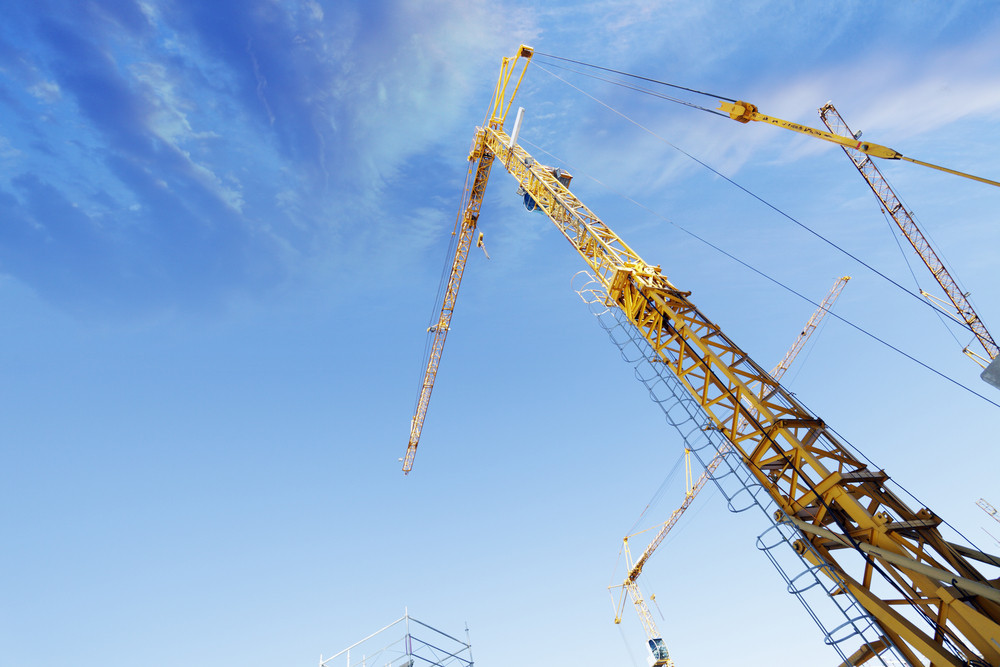
While the U.S. market is substantial, equipment rental is also expanding internationally. Certain segments demonstrate particularly strong global growth potential. According to PR Newswire, the global crane rental market is projected to reach $64.8 billion by 2029. Cranes are essential for large-scale infrastructure, high-rise buildings, bridges, and industrial facilities, making them a key indicator of major development activity.
The projected $64.8 billion valuation underscores how rental models are becoming the preferred option for high-cost, specialized machinery. Purchasing cranes outright requires enormous capital investment, along with ongoing maintenance and storage expenses. Renting offers a more practical solution for companies that need advanced lifting capabilities for specific phases of a project.
As urbanization continues worldwide and governments invest in transportation, energy, and commercial infrastructure, crane rental and other specialized equipment segments are positioned for sustained expansion. This global growth feeds back into domestic markets through international partnerships, technology transfers, and supply chain development.
Equipment rental may operate behind the scenes, but its economic impact is highly visible in the skylines, highways, and industrial facilities shaping modern communities. Projected revenue growth of 5.7% in 2025 signals strong domestic demand, while the presence of 16,797 U.S. rental businesses demonstrates the industry’s depth and competitive reach. On a global scale, the crane rental segment’s anticipated $64.8 billion valuation by 2029 reflects widespread reliance on rental solutions for large-scale development.
By reducing financial risk, increasing flexibility, and enabling access to specialized machinery, equipment rental supports contractors, stimulates job creation, and fuels infrastructure expansion. In doing so, it remains a vital pillar in the broader business of building and a quiet but powerful force behind economic growth.