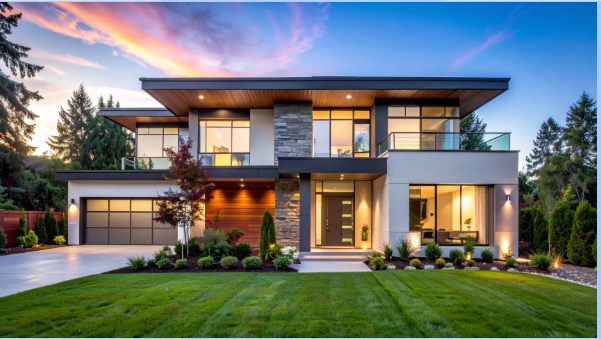
Custom residential architecture is about more than creating an attractive structure. It is a process that transforms ideas, lifestyle needs, and long-term goals into a functional and meaningful living environment. Thoughtful planning plays a critical role in shaping homes that feel cohesive, efficient, and enduring. Many homeowners working with a residential architect in Atlanta recognize that early design decisions influence everything from spatial flow to long-term comfort. Planning allows architectural vision to align with practical realities such as site conditions, regulations, and future needs. When handled carefully, planning becomes the foundation for successful residential architecture. It ensures that every detail contributes to a well-balanced and livable home.
The Role of Planning in Custom Home Design
Planning is the stage where ideas are evaluated, refined, and structured before construction begins. Architects use this phase to understand how residents will live in the space, how rooms will connect, and how the home will interact with its surroundings. This process helps translate personal preferences into functional design solutions. Thoughtful planning also reduces costly changes later in the project. By addressing layout, orientation, and scale early on, architects ensure that the final design supports daily living without unnecessary compromises.
Aligning Design with Lifestyle and Function
A successful custom home reflects the lifestyle of the people who live in it. Planning allows architects to assess how spaces will be used over time, whether for family gatherings, remote work, or quiet retreat. This understanding informs room placement, circulation paths, and spatial proportions. Functional planning ensures that each area serves a purpose while contributing to the overall harmony of the home. Well-planned homes feel intuitive, with spaces that flow naturally and support comfort throughout the day.
Site Considerations and Environmental Context
Every residential project is shaped by its site. Thoughtful planning takes into account factors such as lot size, topography, sunlight, and surrounding structures. These elements influence how a home is positioned, how light enters interior spaces, and how outdoor areas are integrated.
By responding to environmental conditions, architects can create designs that feel grounded in their setting. This approach enhances both energy efficiency and visual connection to the surrounding landscape.
Planning for Longevity and Adaptability
Custom residential architecture should support long-term living rather than short-term trends. Planning helps architects design homes that adapt to changing needs over time. Flexible layouts, thoughtful storage solutions, and durable materials contribute to a home’s longevity. Planning also considers future expansion or lifestyle changes. A well-planned home can evolve gracefully, maintaining its functionality and relevance as needs shift.
The Value of Professional Architectural Guidance
Architects guide homeowners through complex decisions that affect design quality and feasibility. Their experience allows them to balance creativity with technical requirements such as zoning, building codes, and structural considerations. This guidance helps ensure that planning decisions remain realistic and achievable. Many homeowners also consider it important to know how to choose a residential architect when beginning a project, as professional insight plays a key role in shaping successful outcomes through thoughtful planning and collaboration.
Avoiding Design Gaps Through Early Coordination
Planning involves coordination between architectural vision and practical constraints. Early collaboration with consultants, engineers, and builders allows potential challenges to be identified and addressed before construction begins. This reduces delays and ensures design intent is carried through consistently. When planning is thorough, the project moves forward with greater clarity and fewer disruptions, resulting in a smoother building process.
Conclusion
Thoughtful planning defines successful custom residential architecture by creating a strong foundation for design, function, and long-term livability. Through careful consideration of lifestyle needs, site conditions, and future adaptability, planning transforms ideas into cohesive living spaces. With professional architectural guidance, thoughtful planning ensures that custom homes are not only visually appealing but also practical, enduring, and deeply aligned with the people who live in them.