In modern laboratories and industrial environments, accurate moisture measurement is a critical factor that can determine product quality, process efficiency, and compliance with industry standards. Whether you’re in food production, pharmaceuticals, chemicals, or agricultural research, understanding and controlling moisture content is essential. This is where moisture analyzers come into play, providing reliable, fast, and precise readings that support critical decision-making across various sectors.
The Importance of Moisture Measurement
Moisture content affects the performance, stability, and safety of materials in multiple industries:
- Food Industry: Proper moisture levels ensure optimal texture, flavor, shelf life, and microbial safety. Overly wet or dry ingredients can compromise product consistency.
- Pharmaceuticals: Accurate moisture analysis is essential in drug formulation to maintain stability, potency, and regulatory compliance.
- Chemical Manufacturing: Moisture impacts chemical reactions, solubility, and product quality, making precise measurement critical.
- Agriculture: Crop storage and pricing often depend on moisture content, which influences weight, spoilage, and market value.
- Cosmetics & Personal Care: Moisture affects product texture, stability, and consumer satisfaction.
Traditional methods like oven drying are slow, labor-intensive, and prone to inconsistencies. Moisture analyzers offer faster, more reliable solutions by automating key processes while delivering precise results.
What Are Moisture Analyzers?
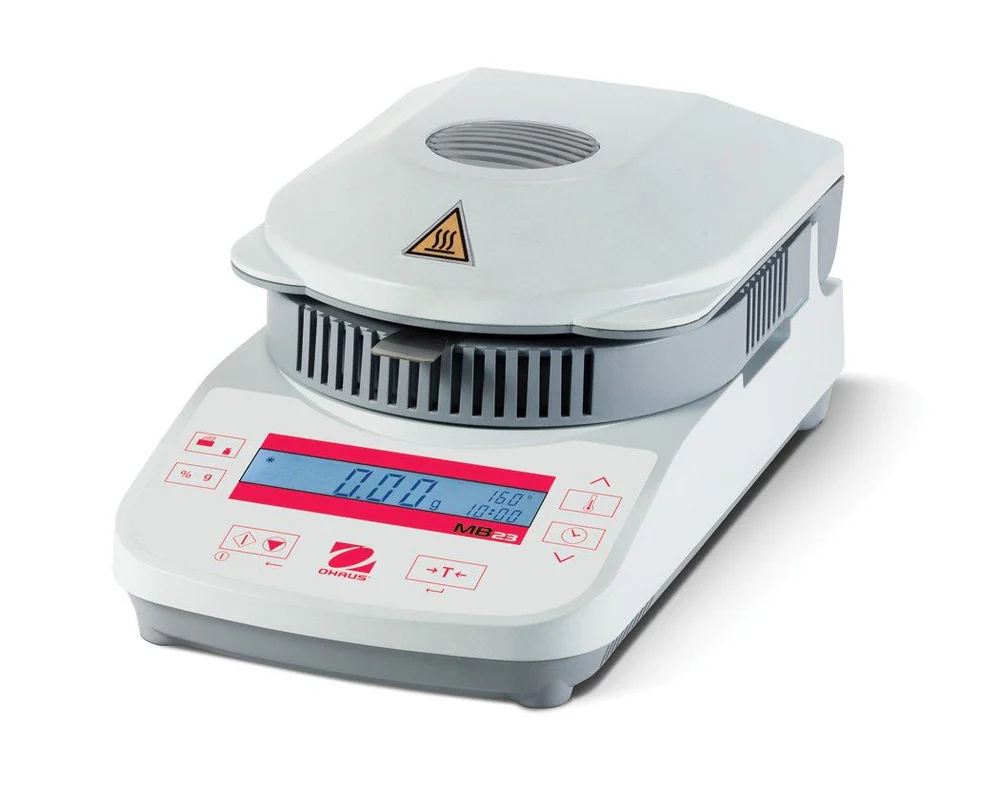
Moisture analyzers are specialized precision balances that combine weighing technology with controlled heating to measure the moisture content in samples.
Moisture analyzers have become indispensable tools for scientists and technicians seeking precision and reliability — and when it comes to trusted suppliers, DSCBalances.com also known as the “Moisture Guy,” provides cutting-edge solutions for labs and industries worldwide.
They work by determining the weight loss of a sample as it dries, calculating the moisture percentage accurately. Modern analyzers include features like:
- High-Resolution Weighing Cells: Detect minute changes in weight for precise measurement.
- Rapid Heating Technology: Speeds up drying without compromising sample integrity.
- Multiple Testing Modes: Supports automatic, timed, or step-wise drying for various materials.
- Data Logging & Connectivity: Allows exporting results for documentation, compliance, and analysis.
By integrating weighing and moisture measurement, these instruments are indispensable tools for labs and industrial operations where precision is non-negotiable.
Top Features of Modern Moisture Analyzers
Selecting the right moisture analyzer involves understanding key features that enhance accuracy, speed, and reliability.
1. Precision and Accuracy
The core function of any moisture analyzer is to provide exact readings. Top models use high-performance weighing cells capable of detecting even small changes in sample mass. Accuracy is especially important when testing small quantities or high-value materials.
2. Fast Drying Technology
Time efficiency is critical in labs and production environments. Advanced moisture analyzers use rapid, controlled heating to shorten analysis cycles without degrading sensitive samples. This feature ensures labs and factories maintain high throughput while producing reliable data.
3. Versatile Testing Modes
Different materials require different approaches. Modern analyzers offer modes like:
- Automatic endpoint detection: Stops the test when moisture loss stabilizes.
- Timed drying: Uses predetermined intervals for standardized testing.
- Step or ramp drying: Gradually increases temperature for materials sensitive to heat.
Such flexibility allows labs to handle a wide range of products, from powders and granules to pastes and liquids.
4. User-Friendly Interface
Top moisture analyzers feature intuitive touchscreens or digital displays that simplify operation. Operators can quickly access functions like tare, start, mode selection, and result review. Clear interfaces reduce training time and minimize operator error.
5. Connectivity and Data Management
Modern laboratories require robust data handling. Moisture analyzers often include USB ports, printer outputs, or LIMS integration, allowing users to log, store, and share data seamlessly. Accurate records are vital for regulatory compliance, quality assurance, and reproducibility.
Applications Across Labs and Industry
The versatility of moisture analyzers makes them suitable for numerous applications:
Food Industry
Monitoring moisture in grains, powders, dairy products, and processed foods is essential to ensure quality and extend shelf life. Fast, accurate measurement helps manufacturers maintain consistency and reduce waste.
Pharmaceutical Labs
From tablet formulation to quality control of active ingredients, moisture content affects stability and efficacy. Moisture analyzers provide the precision necessary to comply with regulatory standards.
Chemical Manufacturing
Chemicals, resins, and polymers often require precise moisture measurement to ensure proper reactivity and performance. Moisture analyzers help maintain product quality and avoid costly defects.
Agriculture and Grain Storage
Moisture content determines the storage conditions and shelf life of crops. Accurate testing prevents spoilage, reduces financial losses, and ensures compliance with industry regulations.
Cosmetics and Personal Care
Moisture analyzers ensure formulations have the correct consistency, stability, and texture, directly affecting product performance and customer satisfaction.
Advantages of Using Moisture Analyzers
Investing in a high-quality moisture analyzer offers numerous benefits:
- Accuracy: Reduces variability and ensures reliable results.
- Speed: Shortens analysis time compared to traditional drying methods.
- Reproducibility: Delivers consistent results across multiple samples and operators.
- Operational Efficiency: Automates key steps, reducing labor and minimizing human error.
- Compliance Support: Facilitates documentation and auditing in regulated industries.
- Versatility: Handles various materials with different physical properties.
Tips for Optimizing Moisture Analyzer Performance
To maximize the effectiveness of your moisture analyzers, labs and production facilities should follow these best practices:
- Use Representative Samples: Ensure samples reflect the overall batch for accurate measurement.
- Maintain a Clean Work Area: Dust and residue can affect readings.
- Choose Appropriate Sample Sizes: Follow manufacturer guidelines to avoid overloading or underloading the analyzer.
- Select Suitable Drying Modes: Tailor the method to the material type to maintain accuracy and protect sample integrity.
- Calibrate Regularly: Routine calibration preserves long-term precision and reliability.
Adhering to these practices ensures that moisture analyzers continue to deliver accurate, repeatable results.
Why Invest in High-Quality Moisture Analyzers
Precision, reliability, and efficiency are critical for any lab or industrial process. Low-quality instruments may produce inconsistent data, leading to costly errors and compromised product quality. By investing in premium moisture analyzers, facilities gain:
- Consistent, repeatable results for quality control.
- Faster turnaround times, increasing productivity.
- Advanced features that simplify testing and data management.
- Long-term reliability, reducing maintenance costs and downtime.
These benefits make moisture analyzers a smart investment for businesses and labs focused on accuracy, efficiency, and compliance.
Conclusion
Accurate moisture measurement is vital across laboratories and industries, affecting product quality, safety, and operational efficiency. Moisture analyzers provide the precision, speed, and versatility necessary to meet modern demands. With advanced weighing technology, fast drying features, and user-friendly interfaces, these instruments ensure reliable, repeatable results across diverse applications — from food and pharmaceuticals to chemicals, agriculture, and cosmetics.
For labs and industrial facilities that prioritize accuracy and efficiency, investing in top-quality moisture analyzers is essential. They not only improve workflow and reduce human error but also support compliance, reproducibility, and overall productivity. By choosing the right moisture analyzer, laboratories can confidently monitor, control, and optimize moisture content in all types of materials.