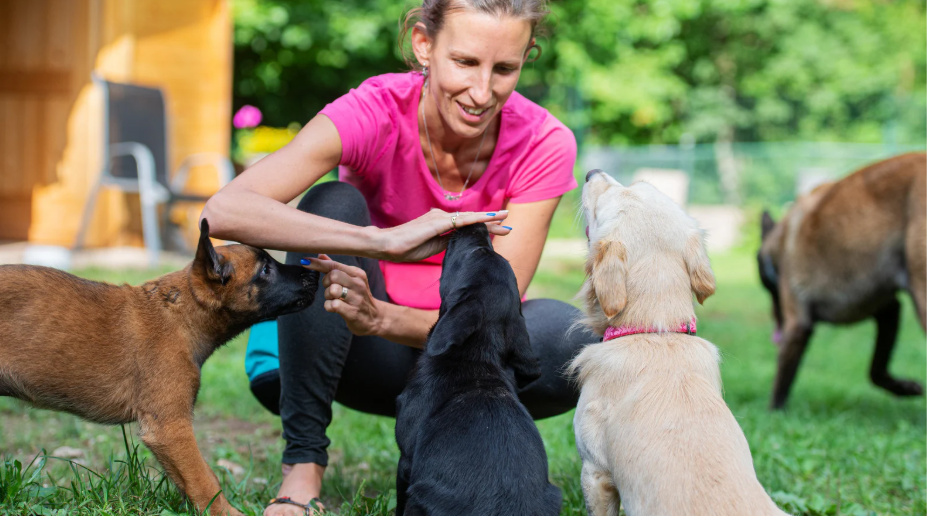
Every dog learns at a unique pace, shaped by age, temperament, and past experiences. That’s why structured online dog training courses are designed with flexibility built into the learning process. Professional trainers understand that progress is not linear, and effective programs adjust timing, repetition, and expectations accordingly. Instead of rushing milestones, these courses create a pace that supports steady confidence. When lessons align with how a dog processes information, results become more reliable. Adaptability ensures learning remains clear rather than overwhelming.
Why Learning Speed Varies Among Dogs
Some dogs grasp cues quickly, while others need more exposure before responding consistently. Factors like breed tendencies, sensitivity levels, and environmental distractions all influence how fast a behavior becomes dependable.
Professional trainers anticipate these differences. Rather than expecting uniform progress, structured programs monitor response patterns and adjust session intensity. This prevents slower learners from falling behind while ensuring faster learners stay challenged.
A balanced curriculum often integrates structured progressions, such as commands to teach your dog, where skills build step by step. This layered system allows each dog to master foundations before moving forward, reducing confusion and reinforcing clarity.
Before advancing to more complex tasks, trainers evaluate reliability under mild distractions. This checkpoint ensures the learning pace matches the dog’s readiness.
Flexible Session Structuring
Lesson timing plays a major role in adapting to different speeds. Shorter, more frequent sessions help dogs who tire easily, while others may benefit from slightly longer engagement periods. Professionals adjust duration and spacing based on focus levels rather than fixed schedules.
Personalized Reinforcement Strategies
Reinforcement isn’t one-size-fits-all. Some dogs respond best to enthusiastic praise, while others need calmer encouragement to stay regulated. Professional programs observe these responses and adjust delivery methods accordingly.
This personalization keeps motivation consistent. When reinforcement matches the dog’s emotional state, learning accelerates naturally. If progress slows, trainers modify repetition frequency or simplify tasks temporarily, then gradually rebuild complexity.
Gradual Increase in Difficulty
Adaptation also happens through controlled challenges. Once a behavior is consistent in a quiet space, mild distractions are introduced. If the dog struggles, trainers step back, reinforce success at an easier level, and try again later. This prevents setbacks and protects confidence.
Professional oversight ensures adjustments remain purposeful rather than reactive. Each step forward is based on observed readiness.
Monitoring Progress Without Pressure
Tracking improvement is essential, but pressure can disrupt learning. Structured programs rely on measurable indicators like response time and consistency, not arbitrary timelines.
Dogs that learn more slowly receive additional repetition without negative consequences. Faster learners are guided into advanced variations to prevent boredom. This balance ensures steady development across different learning speeds.
Regular evaluation helps trainers determine when to maintain the current pace or move ahead. This fluid approach keeps training aligned with the dog’s abilities.
Conclusion
Training success depends on adjusting pace, reinforcement style, and progression levels to match individual learning patterns. When instruction evolves with the dog’s responsiveness and confidence, behaviors become dependable, and stress remains low. Structured flexibility allows steady development while preserving engagement and clarity throughout the learning process.