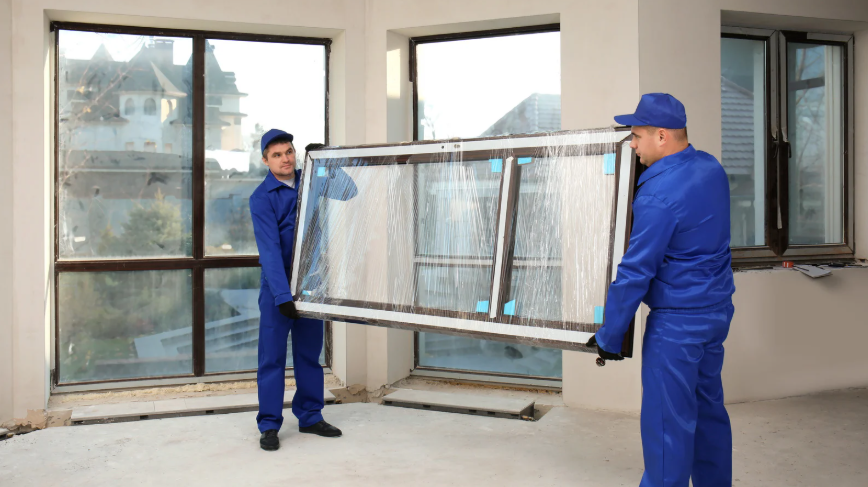
Living in a region characterized by intense heat and suffocating humidity presents unique challenges for homeowners trying to maintain indoor comfort without breaking the bank. The battle against the sweltering sun is constant, and your home’s windows are often the weakest line of defense against thermal intrusion. Understanding the specific mechanics of high-performance glass is crucial for anyone looking to upgrade their home’s envelope. Finding the right energy efficient window in Houston which residents rely on can transform a stuffy, expensive-to-cool house into a comfortable sanctuary.
The Science Behind Heat Resistance
Standard windows simply cannot cope with the demands of a subtropical climate, allowing solar heat gain to spike indoor temperatures rapidly.
Low-E Coatings and Solar Heat Gain
The primary weapon against heat is Low-E (low-emissivity) glass. This microscopic coating is metallic and works by reflecting infrared light, which we feel as heat, while still allowing visible light to pass through. In hot climates, this coating is typically applied to the outside pane of glass. This placement ensures that solar heat is reflected before it enters the air gap between the panes, preventing it from radiating into your living space. This technology significantly reduces the workload on air conditioning systems.
The Importance of the U-Factor
While often discussed in the context of cold climates, the U-factor is equally vital here. It measures how well the window prevents heat from escaping or entering. In humid areas, a lower U-factor means better insulation. This insulation is critical not just for temperature control, but for managing the transfer of thermal energy that can make a room feel sticky and uncomfortable even when the AC is running.
Managing Humidity and Condensation
High humidity levels can be as destructive as high temperatures, leading to moisture issues that threaten the structural integrity of window frames.
Multi-Pane Insulation
Single-pane windows are obsolete in humid environments because they readily transfer outdoor temperatures to the interior surface. When hot, humid air hits a cool window surface, condensation forms. Modern solutions utilize double or triple-pane designs filled with inert gases like argon. These gases are denser than air and act as a thermal buffer. This structure keeps the interior glass surface closer to room temperature, drastically reducing the likelihood of condensation forming inside the home.
Frame Materials Matter
The material holding the glass is just as important as the glass itself. Aluminum frames, while strong, conduct heat rapidly. For hot and humid climates, vinyl or fiberglass frames are superior choices. They are thermally non-conductive and resist warping or rotting caused by constant exposure to moisture. Investing in these materials ensures long-term performance and durability. When you prioritize upgrades that focus on energy efficient windows savings and sustainability, you are making a choice that impacts both your immediate comfort and long-term home value.
Professional Installation is Key
Even the highest-rated window will fail if it is not installed correctly to seal out the humid air.
The Role of Proper Sealing
In humid climates, the seal around the window is the critical barrier against moisture infiltration. Professional installers use high-grade sealants and flashing techniques specifically designed to withstand expansion and contraction caused by heat. A compromised seal allows humid air to bypass the window unit entirely, negating the benefits of the glass and potentially causing mold growth within the walls.
Why Expertise Matters
Every home settles and shifts differently, and window openings are rarely perfectly square. An expert installation team assesses these nuances to ensure the unit is plumb, level, and square. This precision prevents air leaks that can suck humidity into the home. Relying on specialized services ensures that the investment in high-performance windows translates to actual performance improvements.
Conclusion
Upgrading your home’s windows is one of the most effective strategies for combating the discomfort of a hot, humid environment. By selecting products with the right Low-E coatings, insulating gases, and durable frames, you can significantly reduce energy consumption and enhance indoor livability. Professional installation ensures these sophisticated components work together seamlessly, creating a barrier that keeps the harsh climate exactly where it belongs, outside.