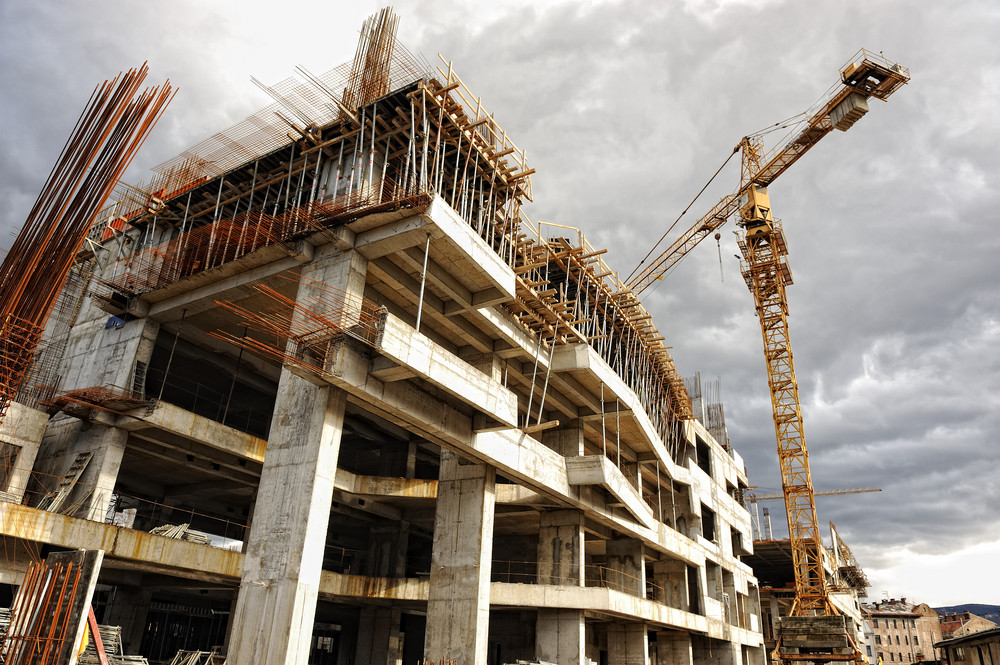
The global construction industry is entering a period of steady expansion, driven by urbanization, infrastructure investment, and the need for more resilient buildings. From roofing systems to water management solutions and building materials, multiple sectors are experiencing measurable growth. As cities expand and older infrastructure is upgraded, demand is rising not only for new construction but also for renovation, repair, and modernization projects.
Understanding where the industry is headed requires looking at the markets that support it. Roofing, water pumps, and hardware and building materials are three critical components that reveal how the broader construction ecosystem is evolving. Together, they highlight the economic forces shaping the built environment for years to come.
Roofing: Strengthening Structures From the Top Down
Roofing plays a central role in both residential and commercial construction. It protects buildings from environmental stress, improves energy efficiency, and enhances structural durability. As climate patterns shift and extreme weather events become more frequent, demand for high-quality, long-lasting roofing systems continues to grow.
Industry projections reflect this momentum. Benchmark International reports that the roofing market is expected to expand at a CAGR of 4.3%, ultimately reaching $327.83 billion by 2028. This steady climb signals strong, sustained demand rather than short-term spikes.
Several factors are contributing to this expansion. Aging housing stock in many countries requires replacement roofs, while new construction projects add further demand. Additionally, energy-efficient roofing materials and solar-integrated systems are becoming increasingly popular.
Water Pumps: Powering Infrastructure and Essential Services
Behind every modern building lies a network of systems that manage water supply, drainage, and wastewater treatment. Water pumps are essential components in residential plumbing, agricultural irrigation, municipal water systems, and industrial operations. Without them, cities cannot function efficiently.
Market forecasts demonstrate just how significant this sector has become. According to Cision, the global water pump market is projected to reach US $61.5 billion by 2026. This anticipated milestone underscores the growing importance of water infrastructure worldwide.
Urban expansion is one of the primary drivers of demand. As populations grow and cities spread outward, municipalities must expand water distribution systems. New housing developments require reliable pumping solutions for clean water access and wastewater management.
In addition to expansion, modernization is accelerating growth. Aging water infrastructure in many regions requires upgrades to improve reliability and reduce waste. Energy-efficient pump systems are gaining traction as organizations aim to lower operational costs and reduce environmental impact.
The increasing emphasis on sustainability and water conservation further supports this market’s trajectory. Advanced pump systems can optimize water flow and minimize leakage, helping communities use resources more responsibly.
Hardware and Building Materials: The Backbone of Every Project
While roofing and water systems are highly visible components, the broader hardware and building materials sector forms the backbone of construction activity. Everything from structural supports and fasteners to insulation and finishing materials falls within this category.
Statista projects that the global hardware and building materials market will grow at an annual rate of 2.15% from 2025 through 2029. Although this rate may appear modest compared to other segments, it represents consistent and reliable expansion across a vast global industry.
This growth reflects ongoing construction activity in both emerging and established markets. Rapid development in urban centers continues to create demand for foundational materials such as steel, concrete, and engineered wood. At the same time, homeowners are investing in remodeling projects that require hardware, fixtures, and specialty materials.
A Convergence of Growth Drivers
What makes the current construction boom particularly significant is the convergence of multiple growth drivers. Population increases, urbanization, sustainability goals, and infrastructure upgrades are occurring simultaneously. Governments are allocating funds to public works projects, while private developers pursue residential and commercial expansions.
Technological advancements are amplifying these trends. Smart building systems, energy-efficient materials, and automation technologies are being integrated into new projects at higher rates. Consumers and businesses alike are prioritizing long-term durability and performance, which supports continued demand across roofing, water systems, and building materials.
The global construction boom is not driven by a single factor but by a network of interconnected industries. Roofing systems are expanding toward a projected $327.83 billion valuation by 2028, water pumps are approaching US $61.5 billion by 2026, and hardware and building materials are forecasted to grow steadily at 2.15% annually from 2025 to 2029.
Together, these markets illustrate the scale and sustainability of construction activity worldwide. As communities build new structures, upgrade infrastructure, and prioritize resilient design, the forces fueling growth show little sign of slowing. The future of construction is being shaped today by innovation, investment, and the essential components that hold every project together.