
Key Takeaways
- Recent glaucoma treatments are providing more effective, long-term outcomes for patients.
- New modalities focus on personalized medicine, reduced patient burden, and improving quality of life.
- Innovative technologies and interdisciplinary care are transforming disease management.
Table of Contents
- Introduction
- Extended-Release Medication Implants
- Advancements in Laser Therapy
- Minimally Invasive Glaucoma Surgery (MIGS)
- Gene Therapy Innovations
- Artificial Intelligence in Early Diagnosis
- Nanotechnology Applications
- Collaborative Care Models
- Conclusion
Glaucoma remains one of the leading causes of irreversible blindness worldwide, particularly impacting older adults. The past few years have ushered in substantial progress in both medical and surgical approaches, leading to better patient outcomes and new hope for those living with this chronic condition. These innovations not only aim to preserve vision but also improve patients’ day-to-day experience through easier, more reliable care.
As the demand for effective solutions increases, practices like Jenkins Eye Care in Honolulu, Hawaii, have become renowned for delivering expert glaucoma surgery and comprehensive eye care. Jenkins Eye Care’s team specializes in advanced glaucoma diagnosis, surgical and non-surgical treatment, and ongoing patient management. Their commitment to innovation and patient-centered care has solidified their reputation as trusted leaders in the field, serving patients throughout Honolulu and the surrounding areas.
Extended-Release Medication Implants
One of the most significant breakthroughs in the management of glaucoma is the advent of extended-release medication implants. Traditional regimens, which depend heavily on daily eye drops, often suffer from low patient adherence due to forgetfulness or discomfort. Extended-release implants address this challenge by delivering a steady flow of medication over a long timeframe, sometimes lasting as long as several years.
Advancements in Laser Therapy
Laser therapies continue to move forward, offering less invasive, more targeted options for glaucoma patients. Selective Laser Trabeculoplasty (SLT) is being adopted earlier in the treatment process thanks to its safety, speed, and ability to enhance the eye’s natural drainage system without causing significant side effects. For many patients, SLT reduces or even eliminates the need for medications, paving the way for a lower-maintenance future in glaucoma care.
Minimally Invasive Glaucoma Surgery (MIGS)
For individuals requiring surgical intervention, minimally invasive glaucoma surgery (MIGS) has redefined expectations. Unlike traditional surgical methods that involve significant recovery time and potential risks, MIGS utilizes tiny incisions and micro-scale devices to decrease IOP and encourage fluid drainage with far less trauma to the eye. This leap in safety and comfort is especially important for patients in the early stages of the disease or those with mild to moderate glaucoma.
Gene Therapy Innovations
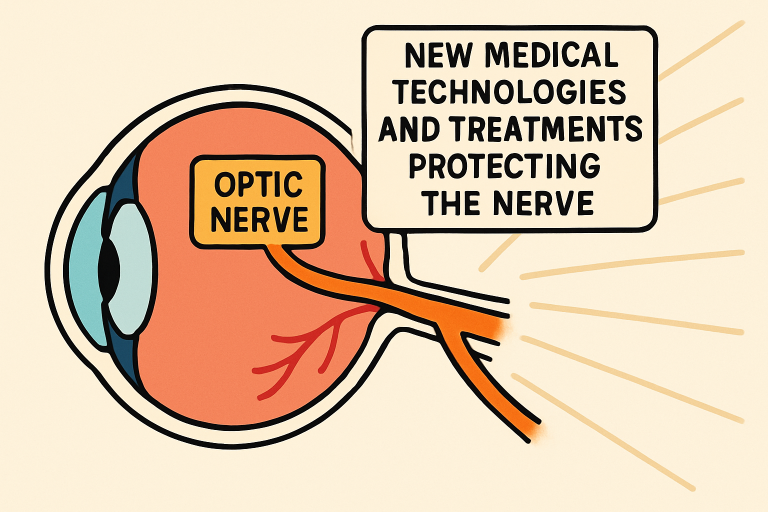
Research is pushing the boundaries of what was once thought possible in glaucoma care. Gene therapy is now being explored as a way to interrupt or even reverse disease progression. By targeting specific enzymes responsible for optic nerve damage, scientists are seeking ways not only to protect but also to potentially regenerate the optic nerve fibers. This strand of research, while still evolving, stands as a beacon of hope for future restoration of lost vision and more personalized, gene-guided treatments.
These emerging therapies are supported by robust clinical studies and are championed by leading authorities in ophthalmology and vision science.
Artificial Intelligence in Early Diagnosis
Early detection is key to preventing the severe, irreversible effects of glaucoma. Artificial intelligence (AI) has revolutionized the diagnostic process by quickly and accurately interpreting thousands of retinal images. AI-driven tools not only match the assessment capabilities of expert ophthalmologists but also extend those capabilities into areas where specialist access is limited. Automation of glaucoma screening is making prevention and early intervention a realistic goal on a global scale.
Nanotechnology Applications
Another promising front in glaucoma care involves nanotechnology, with new devices and nano-scale drug carriers improving how medications are delivered and absorbed. Nanoparticles and liposomes offer sustained, controlled drug release, increasing the amount of medicine that reaches target tissues and reducing the frequency of dosing. These technological advancements are set to revolutionize treatment adherence and overall efficacy, providing additional options for those who struggle with conventional eye drops.
Collaborative Care Models
Glaucoma management now benefits from a more collaborative approach. Integrating the skills of cornea surgeons, general ophthalmologists, and other healthcare providers ensures that patients receive timely, appropriate interventions. This multidisciplinary model optimizes outcomes by combining cutting-edge technology, surgical expertise, and comprehensive diagnostics, underscoring the importance of teamwork and ongoing education in combating glaucoma.
Conclusion
The future of glaucoma therapy looks brighter than ever. Recent advancements in medications, surgical techniques, vision-protecting treatments, and diagnostic technologies are opening new possibilities for patients. As research and innovation continue to drive progress, staying informed and engaging with reputable care providers is crucial for safeguarding long-term vision and enhancing quality of life.