Key Takeaways
- Consistent oral hygiene practices are essential for maintaining dental health.
- Dietary choices significantly impact the strength and health of teeth and gums.
- Regular dental check-ups help detect and prevent oral health issues early.
Table of Contents
- Brushing and Flossing: The Foundation of Oral Hygiene
- Dietary Choices That Promote Dental Health
- The Importance of Regular Dental Visits
- Hydration and Its Role in Oral Health
- Avoiding Harmful Habits for Stronger Teeth
- The Benefits of Using Mouthwash
- Protective Gear for Dental Safety
- Conclusion
Maintaining a healthy smile goes beyond just appearances; it plays a crucial role in overall well-being. Dental health is linked to various aspects of physical health, including heart disease and diabetes, underscoring the importance of establishing consistent oral hygiene practices for every family member. If you want guidance from local experts, Norfolk Family Dentistry can provide personalized care and support for patients of all ages.
From brushing and flossing to making conscious dietary choices, every habit matters in protecting your teeth and gums over the years. By forming good routines early and sticking with them, you can enjoy a confident, healthy smile throughout your life. Consistency is key, whether you’re teaching children or adapting your own routine to new dental health recommendations.
Maintaining these habits not only reduces your risk of cavities and gum disease but can also save you from costly, uncomfortable dental procedures later in life. Learning the best ways to protect your teeth is an investment in your future comfort and health. Along with daily care, understanding the importance of regular professional cleanings and using the right dental products can significantly enhance your oral hygiene.
For more in-depth information on oral health and its impact on your overall well-being, visit this Mayo Clinic resource.
Brushing and Flossing: The Foundation of Oral Hygiene
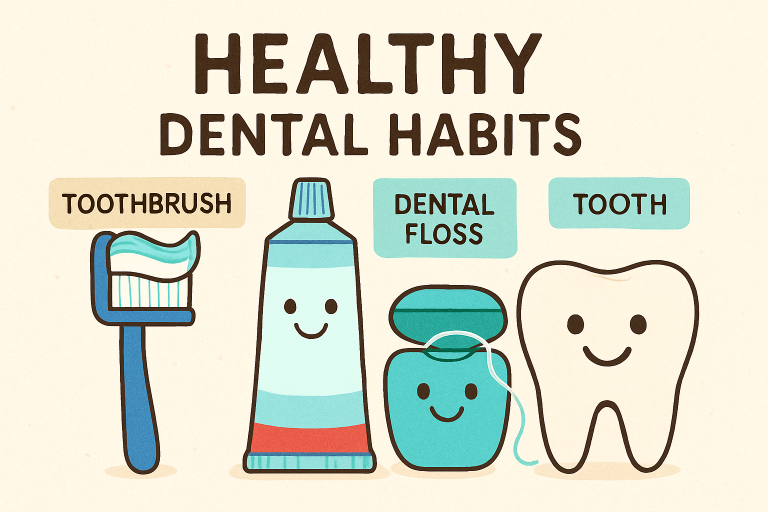
Brushing and flossing serve as the cornerstone of any effective dental care regimen. The American Dental Association recommends brushing twice a day with fluoride toothpaste for at least 2 minutes and flossing once daily to remove plaque that brushing alone can miss. These habits help eliminate food particles and bacteria, preventing cavities and gum disease. It’s essential to use the proper technique: gentle circular motions for brushing and a careful, up-and-down motion for flossing. Neglecting these basics can allow plaque to harden into tartar, requiring professional removal. Children should be taught the importance of brushing and flossing from an early age so they can establish good habits as soon as possible. Studies show that diligent oral hygiene reduces the risk of tooth decay and contributes to fresh breath and a lasting smile. For further guidance, refer to the American Dental Association’s brushing techniques.
Dietary Choices That Promote Dental Health
The foods and beverages you choose every day can profoundly impact your oral health. Diets high in calcium from dairy products, leafy greens, or almonds help strengthen tooth enamel and bones, while foods high in vitamin C (such as citrus fruits and tomatoes) support healthy gums. Crunchy vegetables and fruits, like apples and carrots, naturally clean teeth by stimulating saliva flow and scraping away plaque. Conversely, sugary snacks and acidic drinks create an environment that supports cavity-causing bacteria and erodes enamel. By limiting refined sugars and choosing water over soda or juice, you help safeguard your teeth for years to come. A nutrient-rich diet also supports a more effective immune response, helping prevent infections and reduce inflammation in the mouth. You can find additional dietary recommendations from this comprehensive overview by the Centers for Disease Control and Prevention.
The Importance of Regular Dental Visits
Attending dental check-ups at least twice a year helps prevent minor problems from becoming primary concerns. Routine cleanings remove tartar and stains that daily brushing cannot. Dentists also screen for oral cancer and monitor signs of gum disease, giving you peace of mind and a proactive approach to dental health. Children benefit especially from early visits that can prevent alignment issues and promote positive attitudes toward dental care. Investing in preventive visits typically means less extensive and costly treatments in the long run. During each exam, dental professionals not only clean your teeth but also offer personalized advice on brushing, flossing, and product selection for optimal results.
Hydration and Its Role in Oral Health
Staying hydrated is one of the simplest and most effective ways to support your oral health. Saliva acts as your mouth’s first line of defense by washing away debris, neutralizing acids, and distributing minerals that strengthen enamel. Dehydration leads to dry mouth, which increases the risk of cavities, gum disease, and even bad breath. Drinking water, especially fluoridated varieties found in many municipal supplies, helps fortify enamel and reduce decay. Make a habit of sipping water regularly and rinse your mouth after eating or drinking, especially after consuming acidic or sugary foods.—Proper hydration ties directly into overall health, with clear benefits for teeth and gums.
Avoiding Harmful Habits for Stronger Teeth
Some everyday behaviors can dramatically affect your teeth’s health. Chewing on ice, using teeth as tools to open objects, and gnawing on non-food items can cause chips and fractures. Tobacco use, whether smoking or chewing, stains teeth and dramatically increases the risk of gum disease, tooth loss, and oral cancer. Excessive alcohol consumption can also dry out the mouth and increase bacterial growth. Recognizing and avoiding these habits is integral to maintaining strong teeth and healthy gums. Your dental team can offer support if you need assistance quitting tobacco or modifying risky behavior.
The Benefits of Using Mouthwash
Mouthwash can be a valuable addition to your daily oral care routine. Antimicrobial mouthwashes help control bacteria that lead to gum disease, while fluoride rinses provide an extra layer of cavity protection. Choose alcohol-free versions to avoid mouth dryness. Use mouthwash after brushing and flossing to reach areas that might have been missed and to leave your breath feeling fresh. Consistent use of approved mouthwashes can reduce plaque, improve gum health, and enhance the effectiveness of brushing and flossing.
Protective Gear for Dental Safety
Participating in sports or activities with a risk of dental injuries requires appropriate protective gear. Custom-fitted mouthguards shield teeth from impacts and reduce the likelihood of chipped or knocked-out teeth. For children and adults alike, helmets and face guards offer extra protection during contact sports or biking. Dental professionals can provide guidance on the best gear to prevent injuries and keep your smile safe during recreational activities.
Conclusion
Taking charge of your oral health with positive daily habits ensures your teeth and gums remain strong and healthy for life. Consistent brushing, mindful eating, regular dental visits, and intelligent lifestyle choices all play a vital role in protecting your smile. By investing a little effort every day, you can enjoy the lifelong confidence that comes with healthy teeth and bright smiles.