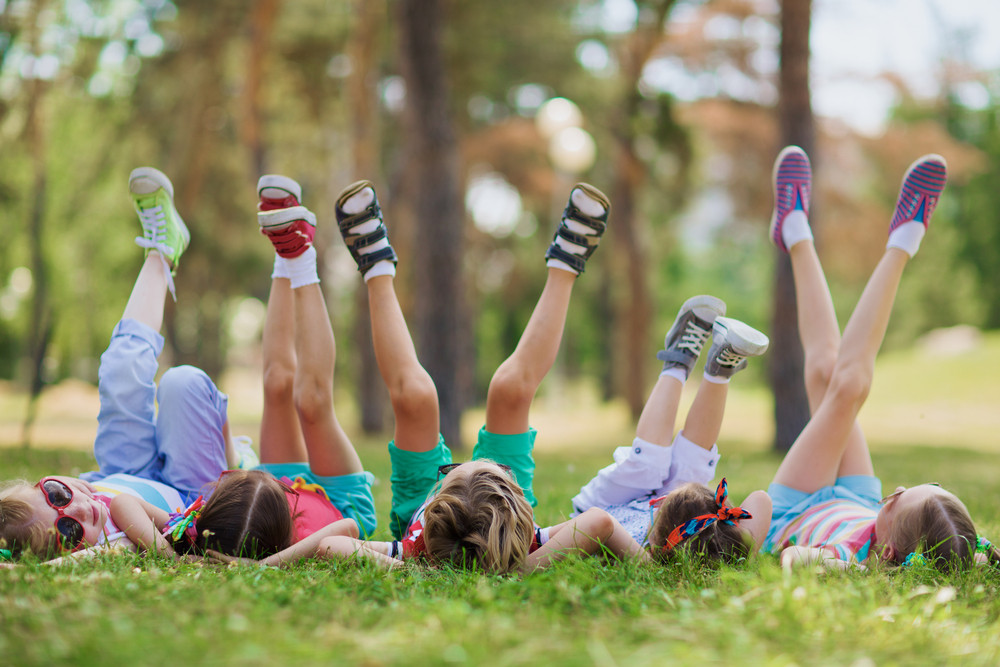
Physical activity plays a critical role in childhood development, influencing not only physical health but also long-term habits and academic performance. As children grow, movement becomes more than just play, it supports confidence, focus, and lifelong wellness patterns. In an increasingly digital world, creating opportunities for children to stay active has become more important than ever. Whether through organized sports, recreational activities, or swimming, regular movement helps children build a strong foundation that extends well beyond their early years. Understanding how physical activity shapes children’s development highlights why encouraging active lifestyles early on can have lasting benefits.
Building Lifelong Activity Habits Through Youth Sports
One of the most powerful benefits of physical activity during childhood is its influence on long-term behavior. Research from the University of San Diego shows that children who participated in youth sports between the ages of nine and eighteen were five to six times more likely to remain physically active as adults. This finding highlights how structured physical activities during formative years help shape routines that carry into adulthood.
Youth sports introduce children to goal setting, teamwork, and personal accountability. These experiences create positive associations with movement, making exercise feel rewarding rather than obligatory. Over time, these habits can reduce the likelihood of sedentary lifestyles later in life. Children also learn resilience through practice and competition, developing discipline and time-management skills that support healthy routines beyond athletics. Additionally, consistent participation helps normalize physical activity as part of daily life, making it easier for children to prioritize movement as responsibilities increase. This early exposure often builds confidence in physical abilities, encouraging continued participation in recreational activities well into adulthood.
Supporting Healthy Weight and Academic Performance
Physical activity also plays a direct role in children’s physical health and learning outcomes. According to the Centers for Disease Control and Prevention, children who engage in regular physical activity are 40% more likely to maintain a healthy weight and perform better in school. This connection highlights how movement supports both physical and cognitive development.
Active children tend to have improved concentration, better classroom behavior, and stronger memory retention. Exercise increases blood flow to the brain, supporting attention and problem-solving skills. At the same time, maintaining a healthy weight can reduce fatigue and improve overall energy levels throughout the school day. Together, these benefits create an environment where children are better prepared to learn, participate, and succeed academically. Physical activity becomes a practical tool for supporting both health and educational outcomes.
Swimming as a Foundation for Active Childhoods
Among all physical activities, swimming stands out as one of the most popular and accessible options for young people. The Centers for Disease Control and Prevention reports that swimming is the number-one activity among kids and teens in the United States. This popularity makes swimming a valuable entry point for developing lifelong fitness habits.
Swimming offers a low-impact, full-body workout that supports cardiovascular health, strength, and coordination. It’s suitable for a wide range of ages and abilities, making it an inclusive activity for children with varying fitness levels. Because swimming often feels recreational rather than structured, children may be more likely to participate consistently. This regular engagement supports endurance, confidence, and comfort with physical movement, all of which contribute to an active lifestyle over time.
Physical activity shapes far more than children’s immediate health, it influences habits, confidence, and future success. From youth sports that encourage lifelong movement, to exercise that supports healthy weight and academic performance, and popular activities like swimming that make fitness enjoyable, early activity plays a defining role in development. Encouraging children to stay active supports both their present well-being and their long-term potential, helping them grow into healthier, more engaged adults.