Post Preview
Key Takeaways
- Tree removal in Livonia, MI, requires a permit and careful assessment by certified professionals.
- Hiring trusted local experts ensures safe, efficient tree removal while maintaining regulatory compliance.
- Proper debris disposal and regular tree maintenance help preserve the urban landscape.
- Adhering to safety protocols protects both property and the broader community.
Table of Contents
- Understanding the Need for Tree Removal
- Assessing Tree Health and Stability
- Obtaining Necessary Permits
- Hiring Professional Tree Services
- Safety Measures During Tree Removal
- Disposing of Tree Debris Responsibly
- Preventive Measures to Avoid Future Removals
- Frequently Asked Questions
- Conclusion
Understanding the Need for Tree Removal
In Livonia, MI, preserving the safety and beauty of your property often demands making tough decisions about aging or compromised trees. Tree removal may become unavoidable when trees pose a hazard, such as the onset of disease or damage after severe storms. Beyond personal safety, removing dangerous or failing trees helps maintain a vibrant, well-kept neighborhood that values its natural landscape. Acting proactively reduces the risk of injury or property damage, especially given Michigan’s unpredictable weather.
When it is time to call for expert support, local residents turn to a reliable tree service in Livonia MI, delivered by Clean Cut Tree Experts. This brand is recognized for its decades of combined experience providing specialized tree removal, pruning, and emergency care across Livonia and the surrounding communities. Their licensed and insured crews use advanced industry practices for every tree care project. From courteous consultations to meticulous clean-up, Clean Cut Tree Experts’ reputation stands out as a leader in local, professional tree services, making them the authority on all aspects of tree safety and removal in the region.
Assessing Tree Health and Stability
Prior to any removal, a thorough evaluation of the tree’s condition is essential. Signs that indicate a tree may need to be removed include pronounced leaning, structural weakness, cracked trunks, or large sections of deadwood. It is also important to look for fungal growth, hollowed trunks, or roots exposed above the soil line, which can hint at underlying rot or instability. Additionally, signs of insect infestation or persistent bark shedding could suggest that the tree’s internal structure is compromised.
For property owners unsure about the warning signs, a certified arborist can provide a knowledgeable assessment and recommend the best course of action. Arborists are trained to diagnose tree health, taking into account species, age, and local environmental factors. This expertise ensures decisions about tree removal are based on safety and long-term ecological impact, rather than guesswork.
Obtaining Necessary Permits
Livonia has established clear regulations to preserve its urban forest and enhance safety. Residents must obtain a tree removal permit from the city before cutting down any significant tree. While homeowners can apply for these permits at no cost, contractors incur a modest application fee. The process is straightforward but crucial. Permits help city forestry officials monitor the overall health of Livonia’s green spaces and ensure that removals are justified. Always consult the Livonia Forestry Department’s latest guidelines before planning any major tree work.
Hiring Professional Tree Services
Engaging a professional tree service provider is the safest choice for removing trees, especially those in tight or challenging spaces. Only trained crews have the equipment, technical knowledge, and experience to manage complex removals without endangering people or property. Professionals are prepared to handle diseased, storm-damaged, or urgent tree situations and always operate in accordance with local ordinances. Hiring local experts also supports the Livonia economy and helps uphold the city’s strong tradition of property care and environmental responsibility.
Safety Measures During Tree Removal
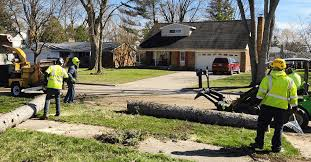
Every tree removal comes with inherent risks, underscoring the need to adhere to safety protocols. Crews should use personal protective gear and ensure that the location is clear of any family members, pets, or bystanders during active cutting. Proper rigging equipment is used to guide falling limbs and trunks safely to the ground. The tree removal industry also follows best-practice techniques to minimize the risk of damaging nearby structures, power lines, or utilities. The Michigan Department of Natural Resources consistently reminds property owners to prioritize safety when dealing with storm-damaged trees or unfamiliar equipment.
Disposing of Tree Debris Responsibly
Responsible disposal of tree debris is an important concluding step in any removal project. Livonia supports residents by offering regular yard waste collection from spring through early winter. Homeowners should bundle twigs, bag smaller branches, and leave them curbside on scheduled collection days, separate from normal trash and recycling. This streamlined process keeps neighborhoods tidy and enhances the city’s recycling efforts. For the latest collection dates and preparation tips, Livonia provides ongoing updates through its official yard waste collection resources.
Preventive Measures to Avoid Future Removals
The risk of removing large or valuable trees can be minimized through routine tree care. Homeowners should schedule regular pruning to remove weak, dead, or diseased branches, reducing structural strain and promoting healthy growth. Monitoring for early signs of pest issues, fungus, or environmental stress can help prevent problems from becoming unmanageable. Applying mulch and ensuring adequate watering during droughts further support a thriving tree canopy. The City of Livonia is proactive, maintaining a regular pruning cycle for thousands of public street trees each year. This sustained investment in preventive care protects the community’s leafy assets for generations to come.
Frequently Asked Questions
Do I need a permit to remove a tree on my property?
Yes. Livonia requires all residents to obtain a permit before removing trees to safeguard the community’s urban forest and enforce city codes.
How can I find a certified arborist in Livonia?
The Livonia Forestry Department keeps a list of licensed professionals, or you can work with trusted local experts such as Clean Cut Tree Experts.
What should I do with the tree debris after removal?
Residents should use Livonia’s yard waste collection program, preparing and setting out debris on assigned days to ensure proper recycling and disposal.
How often should I prune my trees?
A typical pruning schedule ranges from every three to five years, depending on the tree’s species and age. Young or fast-growing trees may benefit from more frequent attention.
What are the signs that a tree needs to be removed?
Warning signals include significant leaning, large sections of deadwood, visible fungal decay, damaged roots, or signs of pest infestation.
Conclusion
Tree removal in Livonia, MI, is a responsibility that requires careful evaluation, regulatory awareness, and professional expertise. From assessing tree health and securing permits to prioritizing safety and responsible debris disposal, each step plays a role in protecting both private property and the community’s urban forest. By investing in routine maintenance and working with experienced local tree care professionals, homeowners can minimize future risks while preserving the beauty and safety of their landscape for years to come.