In today’s economically challenging environment, homeowners are constantly on the lookout for ways to cut down on energy costs. Given that nearly 90% of U.S. homes are equipped with air conditioning, evaluating and optimizing your HVAC system is a fruitful approach. This article provides insightful strategies to help you conserve energy while ensuring optimal comfort in your home.
Why Your HVAC System is Costing You
Your HVAC system is a significant contributor to energy consumption in your home. Remarkably, a central HVAC unit draws about 3500 watts of power and cycles on multiple times an hour, each lasting between 10 and 15 minutes. This frequent operation highlights the necessity of understanding the energy dynamics of your system to effectively manage and reduce costs.
Awareness of your HVAC’s energy usage is vital, as it remains the highest energy consumer among all home appliances. The system’s simple operation mode conceals its substantive impact on monthly bills, urging the need for energy-efficient solutions. Comprehensively addressing this can result in noticeable savings and more efficient home energy use.
Implementing energy-efficient solutions not only trims down bills but also contributes to a sustainable home environment. As homeowners, a mindful approach towards energy consumption translates to long-term financial benefits. Recognizing the impact of HVAC systems is a crucial step in optimizing household energy expenditure.
Maximize Savings Through Regular HVAC Maintenance
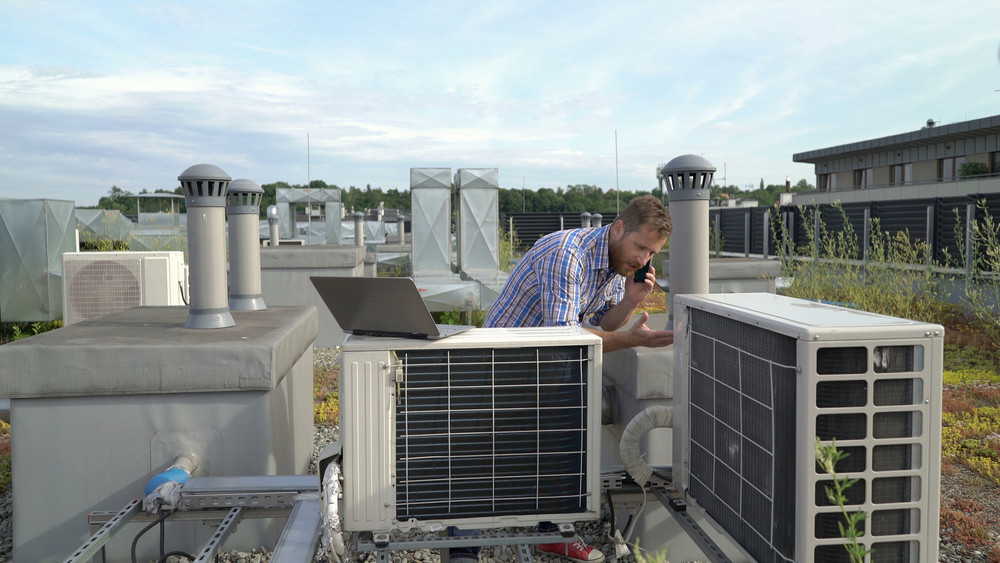
Regular maintenance forms the backbone of any cost-saving strategy for HVAC systems, potentially reducing energy expenses by 5–15% annually. Routine checks, including filter replacements and system inspections, can prevent minor issues from escalating into major problems. Prioritizing maintenance not only improves efficiency but also extends the life span of your system.
Proactive maintenance is often more affordable than reactive repairs. Simple measures, such as scheduling annual system inspections, ensure your HVAC system operates at peak efficiency, minimizing energy waste. Over time, consistent care can save homeowners substantial amounts by preventing costly repairs caused by neglect.
Furthermore, clean and well-maintained HVAC systems improve indoor air quality, leading to a healthier home atmosphere. Filters trap pollutants that would otherwise circulate through your living space, ensuring fresh air flows throughout your home. Thus, regular maintenance is an investment in your financial prudence and health.
Energy-Saving Tips for Homeowners
Adjusting your thermostat settings is a straightforward yet effective way to reduce HVAC-related costs at home. Setting your thermostat a few degrees lower in winter and higher in summer can significantly lower energy consumption, given the reduced workload on your HVAC system. These adjustments are especially beneficial when you are not home, furthering conservation efforts.
Utilizing programmable thermostats can also assist in maintaining energy efficiency. These devices allow you to create temperature schedules that align with your daily routine, ensuring your HVAC system operates only when necessary. The convenience of automating temperature adjustments helps in achieving effortless energy savings.
Incorporating energy-efficient practices, such as sealing windows and employing ceiling fans, can enhance the HVAC system’s performance. Ensuring your home is well-insulated prevents drafts, requiring less heating or cooling. Consequently, these adjustments lend themselves to a more sustainable approach to home energy management.
Thoughts on HVAC Efficiency
By paying close attention to their HVAC systems, homeowners can significantly slash energy expenses, enjoy a comfortable living environment, and contribute to sustainability efforts. Optimizing efficiency starts with understanding your system’s energy dynamics and implementing maintenance best practices. These proactive measures are essential in aligning financial stability with environmental responsibility.
Whole-home strategies, such as leveraging programmable thermostats and enhancing insulation, complement efficient HVAC utilization. This holistic approach ensures that all facets of home energy consumption are addressed, optimizing savings across multiple areas. The added benefit of fostering a healthier indoor environment underscores the importance of maintaining an efficient HVAC system.
Embarking on these savings measures now paves the way toward significant long-term cost reductions. Engaging with simple yet impactful practices allows homeowners to take control of their energy use. Ultimately, the journey to efficiency starts at home, influencing both economic and ecological aspects positively.