Key Takeaways
- Chronic pain can arise from spinal issues, arthritis, or nerve damage, affecting daily life.
- Chiropractic care provides a non-invasive, holistic approach that includes spinal adjustments, exercises, and lifestyle guidance.
- Benefits include pain relief, improved mobility, overall wellness, and support during pregnancy.
- Evidence shows effectiveness for back pain, neck pain, headaches, and reduced opioid use.
- Personalized care and early intervention enhance long-term outcomes.
Understanding Chronic Pain
Chronic pain is a persistent condition that impacts millions worldwide, often lingering for twelve weeks or more. Unlike acute pain, which resolves as an injury heals, chronic pain can arise from ongoing issues such as arthritis, nerve damage, or spinal conditions. Living with this type of discomfort can interfere with work, family life, and emotional well-being. Therefore, finding effective and sustainable pain management solutions is crucial for maintaining a good quality of life. Many individuals are increasingly turning to alternative options like chiropractic care as part of their pain management plan, including pregnancy, which can bring unique musculoskeletal challenges such as back pain, pelvic discomfort, and joint stress.
The prevalence of chronic pain continues to rise, with the Centers for Disease Control and Prevention estimating that about one in five adults in the United States experience it regularly. The constant search for relief leads people to explore a range of treatments, including both conventional and alternative options. Chiropractic care, which emphasizes the importance of spinal health and nervous system function, is gaining attention as a holistic, non-invasive therapy that addresses underlying causes rather than simply masking symptoms.
The Role of Chiropractic Care
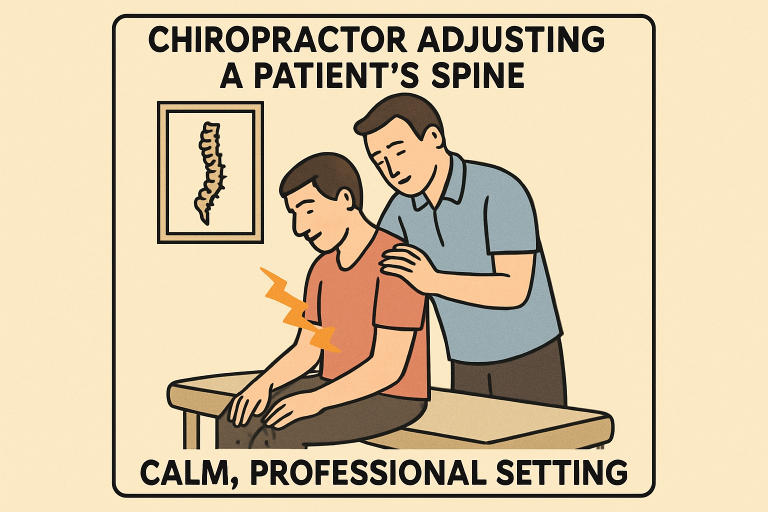
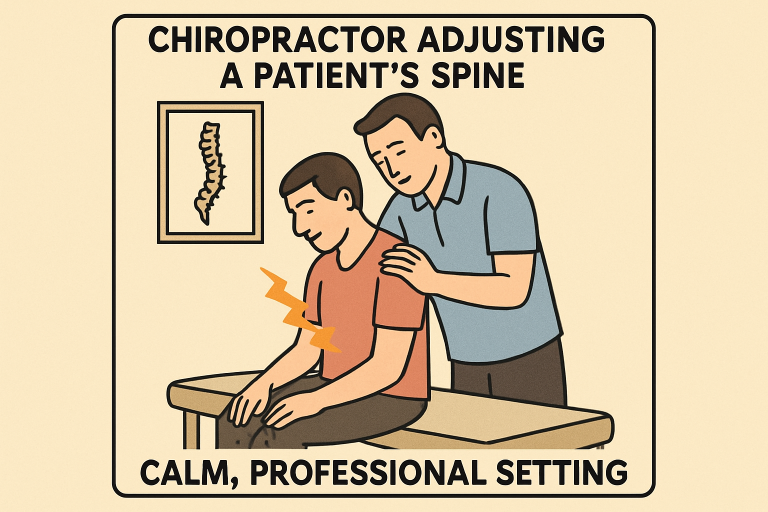
Chiropractic care is rooted in the scientific understanding of the musculoskeletal system and its connection to the body’s overall health. Chiropractors employ a range of hands-on techniques, most notably spinal manipulation, to correct misalignments (also known as subluxations) and restore normal spinal and joint function. By improving spinal alignment, chiropractors aim to relieve pressure on nerves, reduce inflammation, and promote the body’s natural healing processes.
Chiropractic treatment is uniquely patient-centered. Each individual receives a personalized plan tailored to their specific condition, lifestyle, and health goals. Beyond spinal adjustments, chiropractors may incorporate rehabilitative exercises, ergonomic guidance, and advice on nutrition or stress management to optimize recovery and prevent future flare-ups.
Benefits of Chiropractic Treatment
- Non-Invasive Approach: Chiropractic care provides pain relief without the need for drugs or surgery, minimizing potential side effects and complications. This is especially significant for individuals seeking to manage chronic pain without exposure to strong medications or invasive medical procedures.
- Improved Mobility: Regular adjustments can enhance the range of motion in the joints, making everyday activities more comfortable and less painful. For patients with chronic back or neck pain, this improved mobility can lead to a dramatic improvement in their overall function and activity levels.
- Holistic Health Improvement: Chiropractic care often addresses whole-body wellness. Many people report not only reductions in pain but improvements in sleep, mood, and energy levels. A holistic approach may also help manage stress, prevent injuries, and foster a proactive mindset toward long-term health.
While many patients visit chiropractors for relief from back pain, treatment has also been reported to be effective for neck pain, headaches, and certain types of joint pain associated with conditions such as osteoarthritis. Chiropractic care’s emphasis on preventive health also attracts people interested in establishing healthy movement patterns and reducing their risk of further injury.
Evidence Supporting Chiropractic Care
Mounting evidence suggests chiropractic interventions can help ease many types of musculoskeletal pain. According to a 2023 overview in WebMD, chiropractic adjustments are most effective for conditions such as low back pain, tension headaches, and some forms of neck pain. A landmark study published in the Journal of the American Medical Association found that spinal manipulation led to modest improvements in pain and function for adults with chronic low back pain, compared to standard medical care.
Further supporting these findings, an analysis from the National Institutes of Health highlighted that patients receiving chiropractic care often required less medication and experienced fewer disability days than those opting for conventional approaches alone. These results underscore the growing consensus that chiropractic care can play a valuable adjunctive role within multimodal chronic pain management plans.
Chiropractic Care and Opioid Reduction
The ongoing opioid epidemic underscores the urgent need for alternative pain relief options that do not carry a risk of addiction. Evidence published by the United States Department of Health and Human Services reports a significant association between chiropractic use and lower rates of opioid prescriptions. This is particularly important in the context of chronic musculoskeletal pain, where opioids are often inappropriately prescribed.
A 2017 survey highlighted in Time Magazine revealed that most Americans prefer to manage their pain without prescription drugs. Chiropractic care, as a widely accessible and evidence-based option, is viewed favorably by patients seeking safer alternatives for long-term health and pain control.
What to Expect During a Chiropractic Visit
The process of beginning chiropractic care starts with a thorough consultation. Your chiropractor will review your medical history, discuss the onset and characteristics of your pain, and conduct a physical assessment that may include orthopedic and neurological tests. Treatment typically involves gentle spinal adjustments designed to restore mobility, reduce pain, and promote healing.
In addition to these hands-on techniques, chiropractors may recommend therapeutic exercises, ergonomic modifications for both home and work, and lifestyle adjustments tailored to your specific condition. Ongoing care is often adjusted based on the patient’s progress and response to treatment, ensuring that the plan remains individualized and focused on achieving specific goals.
Is Chiropractic Care Right for You?
Chiropractic care is suitable for many—but not all—individuals with chronic pain. Factors such as the origin and nature of your pain, coexisting medical conditions, and personal preferences should be weighed when considering this therapeutic option. Always consult with your primary healthcare provider before initiating chiropractic care, especially if you have underlying health issues or are pregnant.
Some people may notice improvement after just a few sessions, while others require ongoing treatments for optimal results. Open communication with your chiropractor and other healthcare providers can help determine the best, most coordinated approach to pain management for your individual case.
Final Thoughts
Chiropractic care offers a compelling, non-invasive pathway to managing chronic pain effectively. Supporting the body’s natural healing mechanisms provides pain relief, renewed mobility, and a holistic boost to overall well-being. For those seeking a drug-free, personalized alternative to address persistent pain, consulting a qualified chiropractor may be the first step toward a healthier, more comfortable life.