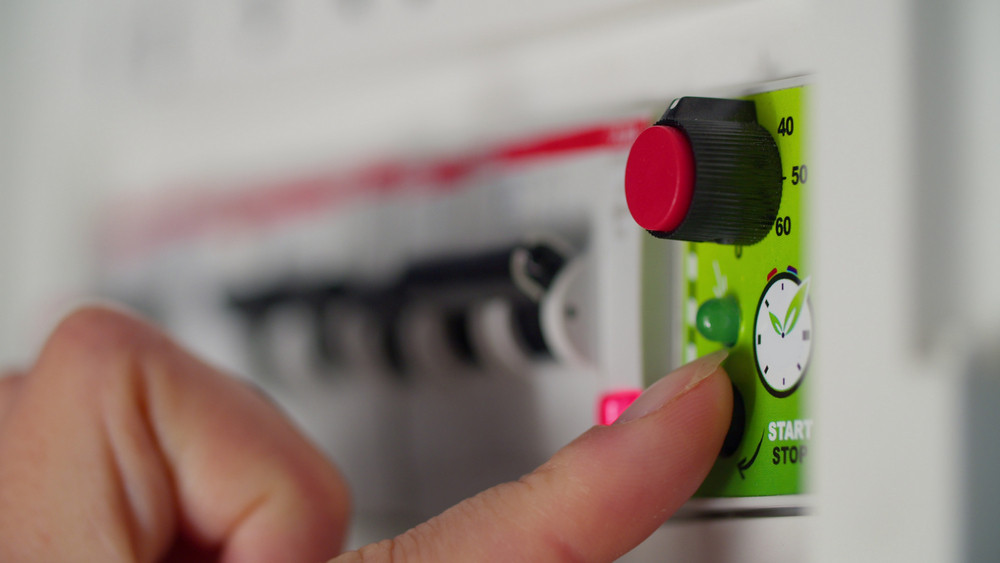
A reliable water heater is one of those home systems most people do not think about until it stops working. Yet the right choice can affect daily comfort, energy costs, and long-term maintenance expenses. With multiple fuel types, sizes, and technologies available, selecting a water heater requires more than simply replacing what you already have. Understanding when replacement makes sense, what options exist, and how much to budget will help you make a confident, practical decision for your home.
Knowing When It’s Time to Replace Your Water Heater
Before comparing models, it is important to determine whether replacement is actually necessary. Many homeowners hold onto aging units longer than they should, which can lead to inefficiency, inconsistent performance, and unexpected failures. This Old House notes that water heaters often reach the end of their practical lifespan around the 10-year mark. Warning signs include discolored or rusty-looking hot water, noticeable drops in temperature or pressure, and a system that struggles to meet everyday demand.
Even if a unit still produces hot water, internal corrosion and sediment buildup can reduce efficiency and increase operating costs. Older models also lack many of the energy-saving features found in newer designs. Replacing a water heater proactively, rather than waiting for a breakdown, gives you time to evaluate options and schedule installation on your terms. It can also help prevent water damage caused by sudden tank failure, which is a risk that increases as units age.
Choosing the Right Fuel Type for Your Household
Once replacement is on the table, fuel type becomes one of the most important considerations. The choice typically depends on what is already available in your home, along with operating costs and personal preferences. According to the Appliance Standards Awareness Project, approximately 48% of households use natural gas water heaters, while about 45% rely on electric models. A smaller segment, slightly more than 6%, uses propane or oil.
Natural gas units often heat water quickly and may cost less to operate where gas prices are low. Electric water heaters, on the other hand, tend to have lower upfront costs and simpler installation requirements, making them appealing in homes without gas service. Propane and oil systems are more common in rural areas and can be effective, but may involve higher fuel costs or storage considerations. When evaluating fuel type, factor in local utility rates, venting requirements, and long-term energy efficiency, not just the purchase price.
Understanding Installation Costs and What Affects Them
Budgeting accurately is essential when planning a water heater replacement. Installation costs can vary widely depending on the type of unit, labor rates, and whether any modifications are needed to bring plumbing or electrical systems up to code. Today’s Homeowner reports that total installation costs typically range from $960 to $3,910, with most homeowners spending around $2,200 for both the water heater and professional labor.
Several factors influence where your project may fall within that range. Switching fuel types, upgrading electrical panels, or installing new venting can increase costs. Tankless systems, while often more efficient, usually require a higher upfront investment than traditional tank models. Working with a licensed professional ensures the system is installed safely and performs as expected, which helps protect your investment and maintain manufacturer warranties.
Choosing the right water heater is a balance of timing, fuel selection, and budget planning. By recognizing the signs that replacement is needed, understanding the pros and cons of different fuel types, and preparing for realistic installation costs, homeowners can avoid rushed decisions and unexpected expenses. A well-chosen water heater not only supports daily comfort but also contributes to energy efficiency and long-term home value. Taking a thoughtful, informed approach now can pay dividends for years to come.